
Kenya's Diplomatic Mission in Rabat Struggles Without Key Personnel
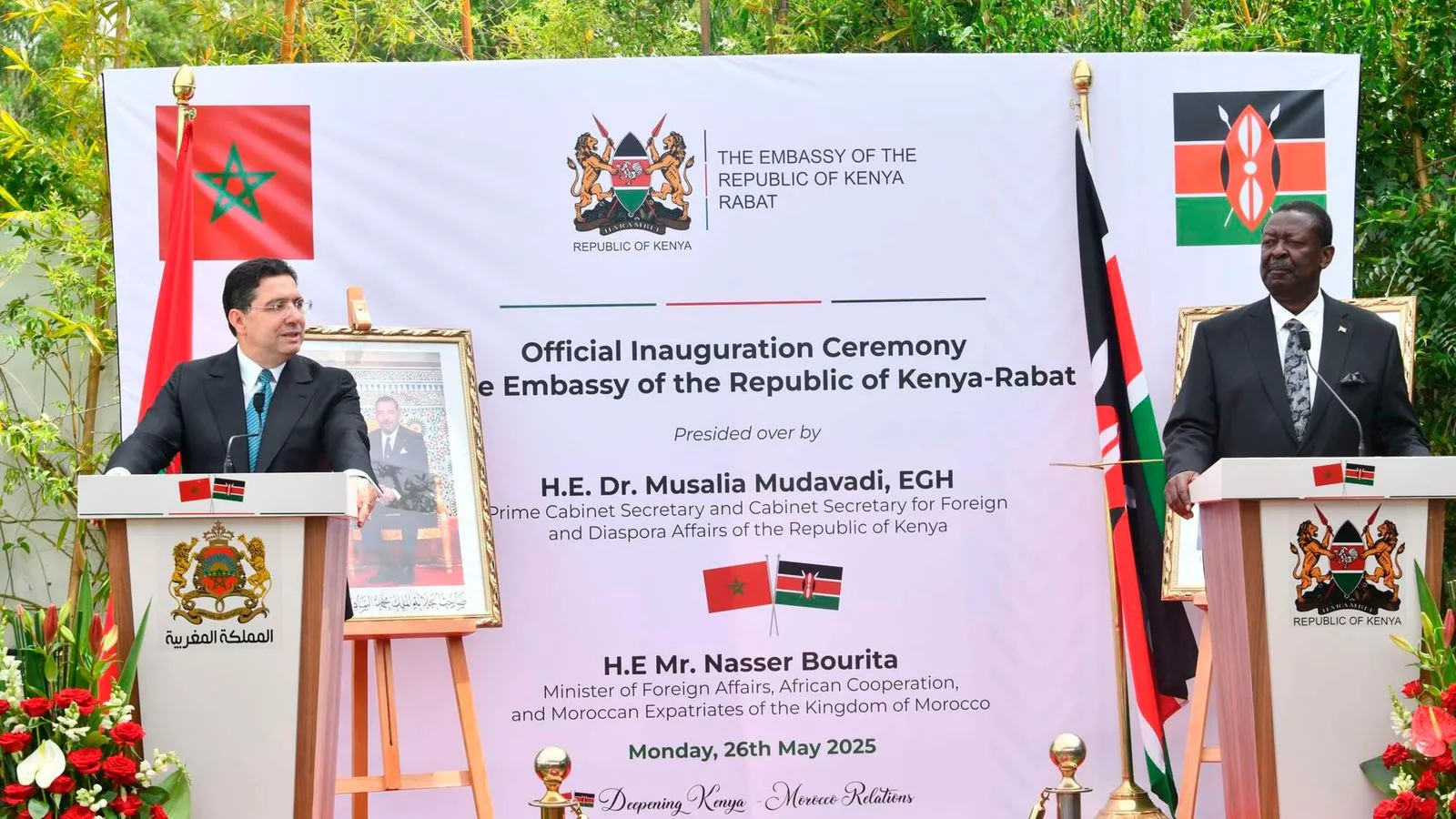
Kenya's diplomatic mission in Rabat, Morocco, is currently grappling with the significant challenge of operating without a dedicated translator, which is a critical shortfall given that the nation primarily conducts its business in Arabic and French. This situation has persisted for two years since the mission's establishment, which was initially led by a Chargé d'Affaires from December 2023, transitioning to the appointment of Kenya's first resident Ambassador in July 2024. The ambassador's formal accreditation occurred on August 30, 2024, marking the full operationalization of the mission. However, a recent report presented to the National Assembly has highlighted alarming staffing gaps within the mission, revealing a lack of essential personnel including a translator, clerk, foreign relations officer, and defense attaché. This deficiency has resulted in an overwhelming workload for the limited staff available, significantly affecting the efficiency and effectiveness of diplomatic operations.
The report, introduced by Kamukunji MP Yusuf Hassan, emphasizes that the absence of a translator has particularly hampered communication in a predominantly French- and Arabic-speaking environment, impairing diplomatic engagement and service delivery. Furthermore, the absence of a structured staffing model at the onset of the mission's establishment has compounded these human resource challenges, leaving critical positions unfilled. The committee's findings underscore that the existing staff is often overwhelmed, performing multiple roles that extend beyond their core responsibilities, which ultimately leads to diminished operational efficiency. The communication barriers posed by the lack of language support have exacerbated these staffing constraints, making it increasingly difficult for the mission to navigate its diplomatic interactions effectively.
Financial Constraints and Operational Strains
In addition to staffing challenges, the report points to significant financial constraints impacting the mission's operations. Despite an increased budget allocation of approximately KES 143 million for the 2025/2026 financial year, the Embassy is struggling with outstanding bills totaling about KES 23 million, which encompass essential obligations such as rent, staff welfare, medical expenses, and other operational costs. In some instances, personnel have been forced to cover essential expenses from their own pockets to maintain operations, which reflects the dire financial circumstances the mission is facing. Rental costs are particularly burdensome, with annual expenses for the chancery and staff residences estimated at KES 50 million, and budget allocations for these costs have consistently fallen short of actual requirements.
Despite these challenges, the mission has made notable strides in enhancing bilateral relations between Kenya and Morocco. High-level engagements have surged, including visits from Kenya's Prime Cabinet Secretary and various Moroccan ministers. The mission has facilitated numerous Memoranda of Understanding across vital sectors such as trade, education, housing, and tourism. Additionally, it successfully organized the Kenya Economic Promotion Week in November 2025, attracting key stakeholders from both nations to explore trade and investment opportunities. The mission has also played a pivotal role in capacity-building initiatives, enabling Kenyan law enforcement officers to receive specialized training in counter-terrorism and facilitating approximately 20 scholarships annually for Kenyans in fields ranging from medicine to engineering and law, thus fostering people-to-people relations and contributing to the development of Kenya's human capital.
As reported by mobile.nation.co.ke.