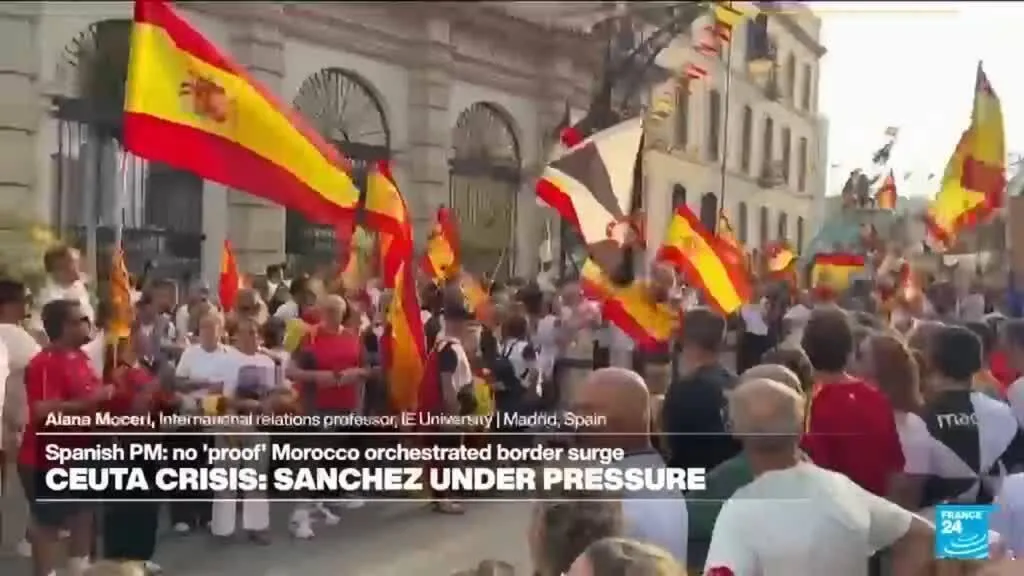

Alana Moceri on the Migration Crisis at Ceuta
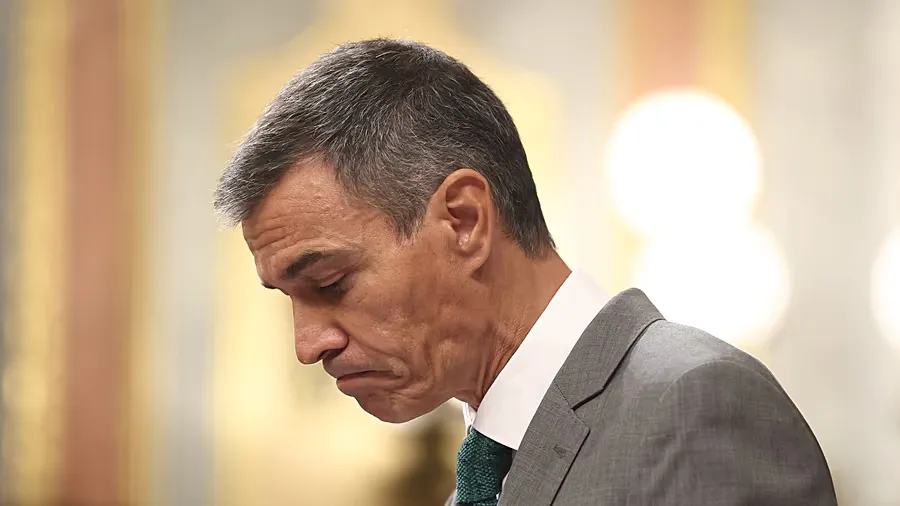
In a recent discussion, Alana Moceri, an esteemed International Relations Professor at the IE School of Politics, Economics, and Global Affairs, shared her insights regarding the ongoing migrant crossings at the Ceuta border. She characterized this situation not merely as a national issue but as a pressing international crisis that reflects deeper geopolitical tensions. Moceri highlighted the alarming scale and rapidity of these crossings, suggesting that they may represent a form of 'deliberate permissiveness' at the border. The restrained response from Spanish Prime Minister Pedro Sánchez should not be interpreted as an endorsement of Morocco's actions; rather, it serves as a pragmatic approach to managing complex international relations. Sánchez is facing intense scrutiny from domestic political opponents who are eager to frame migration as a dire existential threat, which complicates his position further.
Moceri elaborated on the political ramifications of such migration crises, illustrating how they can be manipulated for political gain. The rise of far-right rhetoric in Spain, which often amplifies the language of 'invasion', serves as a potent reminder of how migration issues can be weaponized in domestic politics. Furthermore, the situation is exacerbated by foreign information ecosystems that thrive on controversy and misinformation, capitalizing on the pre-existing tensions without necessarily having instigated them. This combination results in a multifaceted crisis where the border functions as a geopolitical tool, a domestic political weapon, and a battleground for information warfare, making it crucial to analyze these dynamics with a nuanced perspective.
As reported by news.inbox.lv.