
King Felipe VI's Historic Visit to Ceuta
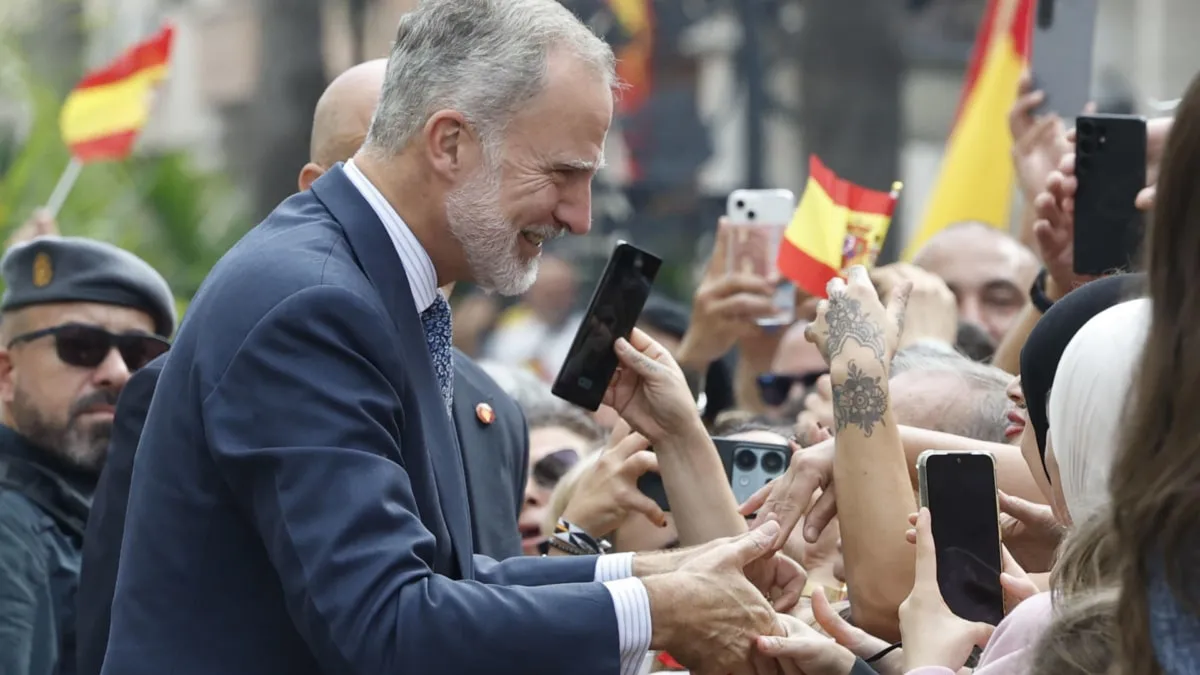
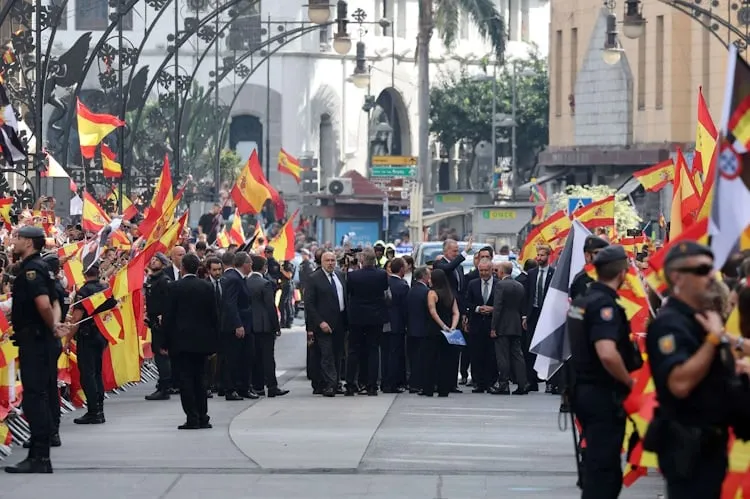
On Tuesday, King Felipe VI of Spain commenced a rare and diplomatically sensitive visit to Ceuta, a Spanish enclave on the North African coast, after a significant influx of migrants from Morocco had recently challenged the region's stability. This visit marks the first of its kind by a Spanish monarch since King Juan Carlos, Felipe's father, visited in 2007, an event that resulted in a diplomatic crisis with Morocco. The royal couple was welcomed by crowds waving Spanish flags as they arrived in Ceuta, and they are slated to continue their trip to Melilla, another Spanish enclave in North Africa, on Wednesday.
The visit comes at a critical time, just seven weeks ahead of the early elections scheduled for November 29, where immigration is anticipated to be a primary issue within the electoral campaign. Ceuta, with a population of approximately 80,000, is striving to regain a sense of normalcy following the shock of over 70,000 migrants arriving from Morocco in late July. While many of these individuals departed shortly after their arrival, thousands remained, leading to feelings of abandonment among some residents regarding the Spanish government's response.
Community Reactions and Concerns
As the royal couple made their way to the municipal building for a meeting with local authorities, they were greeted by enthusiastic citizens, some of whom donned shirts emblazoned with messages like "Ceuta is not for sale. We must defend Ceuta." This sentiment reflects the community's desire for recognition and support from the Spanish state in light of the recent migration crisis, which has left many residents feeling vulnerable and anxious about their future. Residents expressed that the king's visit should send a clear message to Morocco about the sovereignty of Ceuta and Melilla as integral parts of Spain.
While many locals appreciated the royal visit, some voiced frustration regarding its timing. For example, Susana Román, a lawyer and founder of the "Save Ceuta" initiative, argued that the king should have visited sooner to witness the conditions faced by migrants firsthand. She emphasized the importance of the monarch's presence as a symbol of state support for the beleaguered city. Despite the royal couple's warm reception, residents are acutely aware of the delicate diplomatic balances that must be maintained, especially concerning relations with neighboring Morocco.
As the visit unfolds, it is set to involve meetings with local officials, visits to educational institutions, and a tribute at the Sidi Mubarak cemetery for victims of the recent migration crisis. King Felipe VI has previously described the events in Ceuta as "unacceptable," emphasizing the need for a compassionate yet lawful approach to managing migration and asylum claims. This visit not only serves as a moment of solidarity with the citizens of Ceuta but also poses significant implications for Spain's diplomatic relationship with Morocco, especially in light of King Mohammed VI's recent emphasis on a partnership that does not succumb to pressure or intimidation.
As reported by alquds.co.uk.