Landmark Decision by Casablanca Court
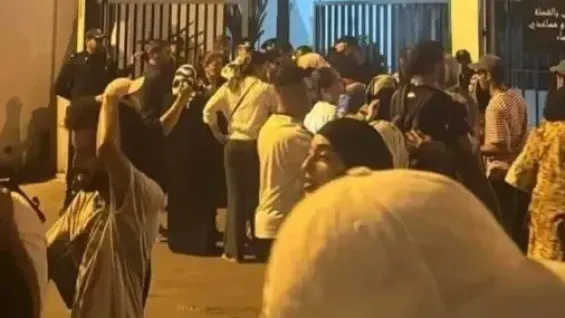
The Criminal Court of First Instance near the Casablanca Court of Appeal made a significant ruling late Thursday night, granting the release of the majority of young individuals charged in connection with the GenZ 212 protests. After spending nine long months behind bars, the detainees were finally reunited with their families as they exited the prison gates, marking an emotional moment for all involved.
This ruling not only brought an end to the lengthy detention for most of the defendants but also showcased a shift in judicial handling of a case that has drawn considerable attention regarding the treatment of protesters in Morocco. The court's sentences paved the way for immediate freedom for many, with three individuals receiving a suspended sentence of one year in prison. For the remaining defendants, the sentences imposed were equivalent to the duration of time they had already served, allowing them to walk free as soon as the judgments were announced.
Background of the Protests and Legal Proceedings
However, there were two notable exceptions among the group: these individuals are required to serve an additional ten months in prison, a decision that has been met with criticism from human rights organizations who have contested the legality of their detention since the autumn of 2025.
The events leading to this situation began on September 28, 2025, when the judicial police in Casablanca arrested 21 young people for participating in a demonstration on the highway surrounding the city. The prosecutor's office immediately mandated their detention on charges of obstructing traffic and public order disruption, with some facing additional allegations related to drug use.
Throughout the nine months of their imprisonment, requests for release were consistently denied, until this recent ruling changed the course of the case. This decision marks a turning point in how judicial processes are managed in cases involving the GenZ 212 protests, which have become emblematic of the broader issues surrounding protest rights in Morocco.
Human rights organizations have consistently criticized the lengthy pre-trial detention, arguing that it was disproportionate to the alleged offenses. The Moroccan Association for Human Rights has condemned the measures taken against the protesters, asserting that the recent release does not resolve the procedural concerns that are likely to fuel ongoing debates in the coming weeks.
As reported by lopinion.ma.