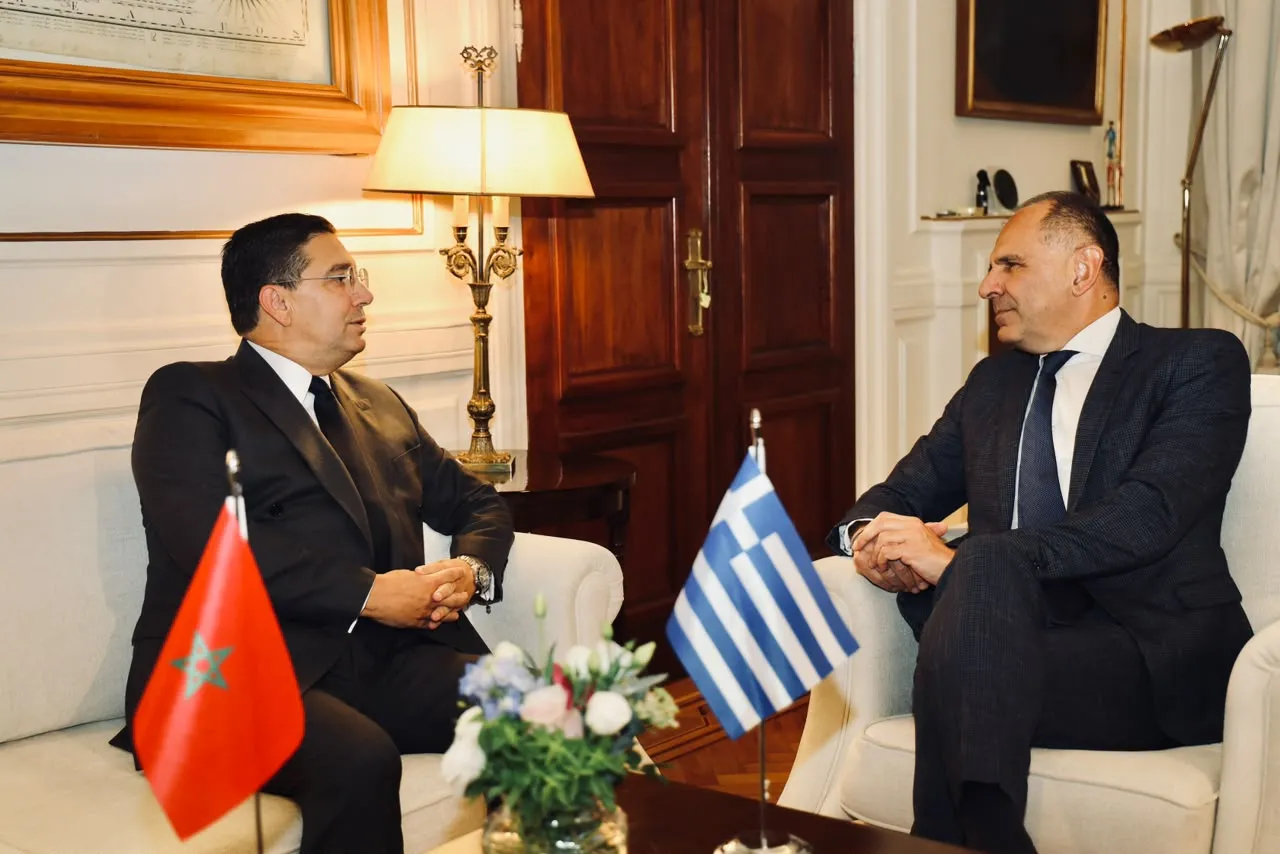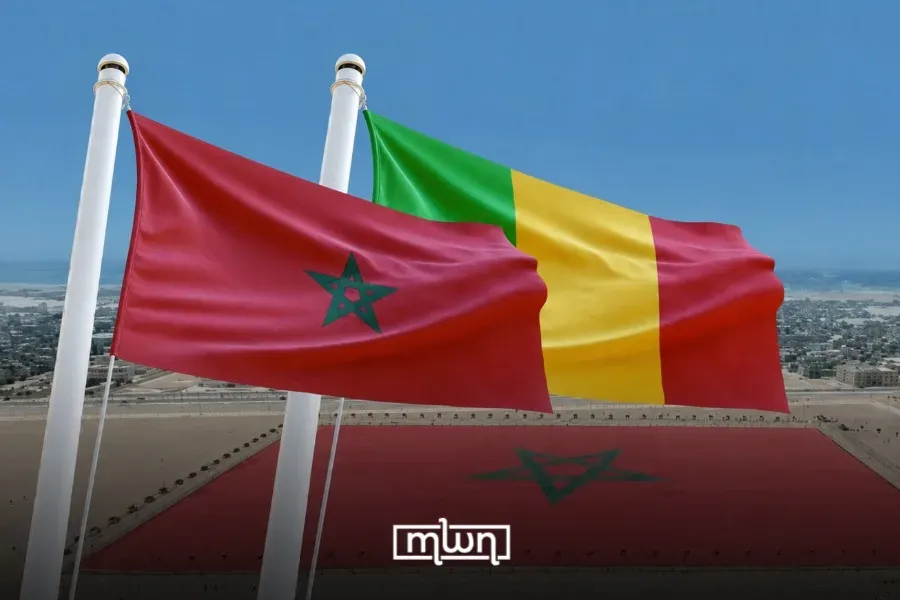

In a significant diplomatic move, Mali has reiterated its endorsement of Morocco's Autonomy Plan for the Western Sahara, asserting it as the sole credible and realistic resolution to the ongoing regional dispute. This reaffirmation was articulated in a joint statement released on Friday, following the fourth session of the Morocco-Mali Joint Cooperation Commission held in Bamako. The meeting, which was co-chaired by Moroccan Foreign Minister Nasser Bourita and his Malian counterpart Abdoulaye Diop, emphasized the importance of Morocco's proposal as the framework for resolving the conflict, aligning with UN Security Council Resolution 2797, adopted on October 31, 2025.
Mali’s endorsement builds on its earlier decision to withdraw recognition of the self-declared “Sahrawi Arab Democratic Republic (SADR)” in April, highlighting a clear shift in its diplomatic stance. The cooperation commission, which convened from July 21 to 24, not only focused on the Sahara issue but also explored avenues to broaden the partnership between the two nations.
Expanding Cooperation Beyond Political Matters
In addition to addressing the Sahara dossier, the two countries' ministers underscored the necessity of enhancing their economic and trade relations. They called for greater collaboration in vital sectors such as agriculture, energy, health, education, and vocational training. Recent technical exchanges between Morocco and Mali were highlighted as a foundation for potential new joint projects. A business forum that coincided with the commission provided a platform for Moroccan and Malian enterprises to explore new opportunities, leading to the signing of several cooperation agreements, with both governments committed to their successful implementation.
Mali has also shown support for King Mohammed VI’s initiative aimed at granting Sahel countries access to the Atlantic Ocean. The joint statement characterized this initiative as a critical framework for fostering regional cooperation. Furthermore, it referenced the King’s previous meeting with foreign ministers from the Alliance of Sahel States, reaffirming Bamako's commitment to gradually implementing projects associated with this initiative.
Morocco and Mali have nurtured close ties over the years, with collaboration extending into various domains including education, agriculture, religious affairs, security, and investment. Morocco's engagement with Mali has intensified through technical cooperation and development initiatives. During his visit to Bamako, Bourita was also received by Mali’s transitional president, General Assimi Goita. The General expressed gratitude to King Mohammed VI for Morocco’s unwavering support for Mali’s sovereignty, national unity, and territorial integrity, and conveyed his country’s eagerness to further deepen cooperation across multiple sectors.
As reported by moroccoworldnews.com.