
Transforming Connectivity and Economic Landscape
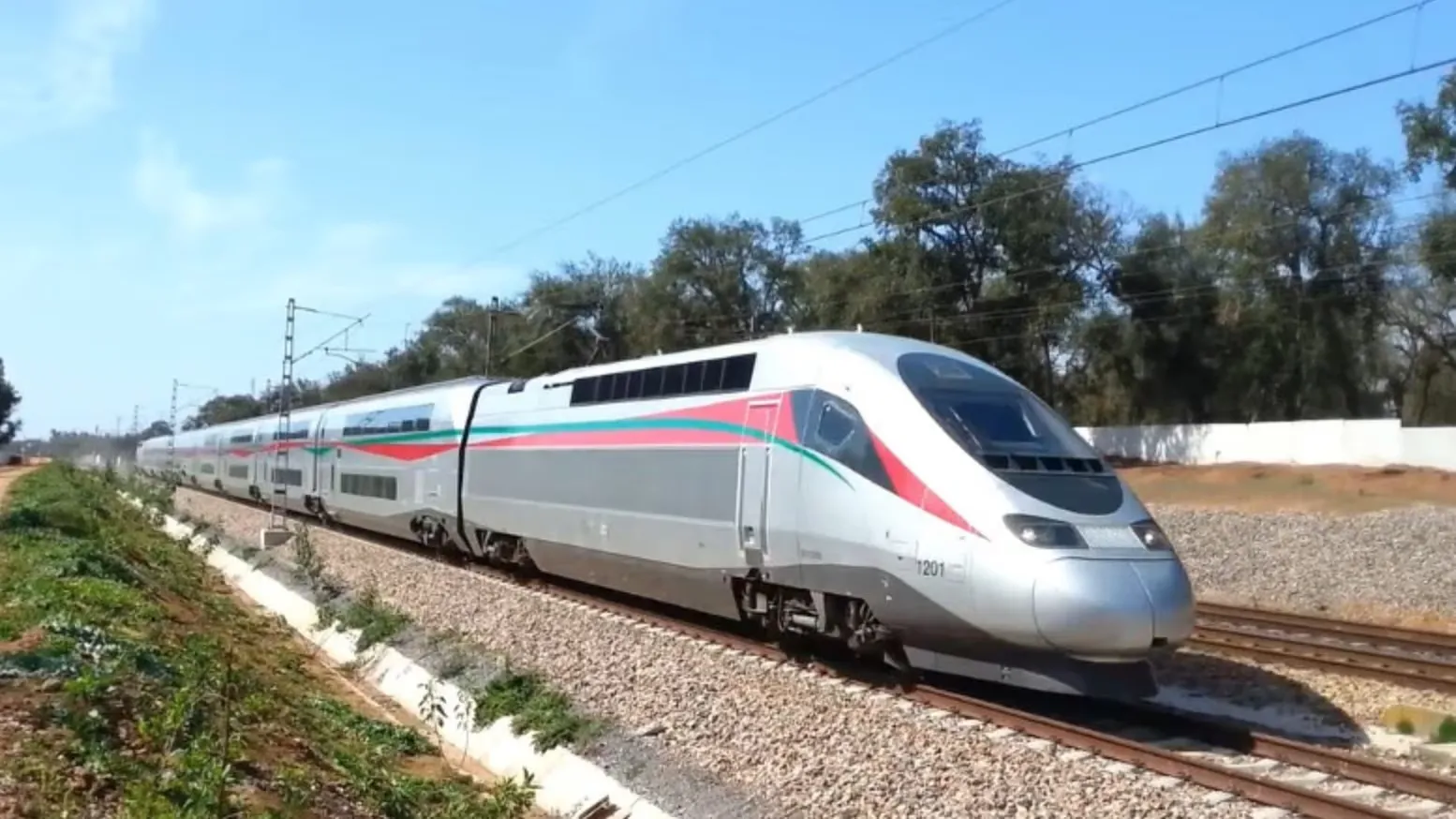
The recent official announcement regarding the high-speed rail connection between Marrakech and Agadir marks a significant milestone in Morocco's infrastructure development, heralding a new era for territorial planning and economic growth within the Kingdom. This project, which has been classified as a public utility through a governmental decree published in the official bulletin, underscores the necessity for transparent dialogue with local residents and landowners affected by expropriation processes. As reported by _Al Ahdath Al Maghribia_, this initiative is poised to reshape the national economy, enhance mobility, and bolster the attractiveness of the Souss-Massa region within the broader national rail network.
The technical details outlined in the ministerial decree reveal that the proposed high-speed line will traverse the territories of Marrakech, Chichaoua, and Agadir Ida Outanane, with plans for an interconnected rail system that also includes a link to Essaouira. Preliminary financial estimates suggest that the total cost of this ambitious project will be approximately 55 billion dirhams, a figure confirmed by the Minister of Transport and Logistics, although it remains provisional pending the completion of detailed engineering studies and final budget decisions.
Addressing Concerns and Ensuring Equity
Beyond its logistical implications, the establishment of this cutting-edge infrastructure aims to significantly reduce travel times between central and southern urban centers in Morocco, thereby fostering territorial integration and enhancing the competitiveness of regional economic sectors. The high-speed train initiative aligns with the overarching vision to modernize the national rail network by 2030, serving as a catalyst for key industries such as tourism, commerce, and productive investment in Agadir and its surrounding areas, as highlighted by _Al Ahdath Al Maghribia_.
However, this phase of realization brings forth legitimate questions and heightened vigilance from local stakeholders and landowners. Local associations and human rights advocates emphasize the critical need for ensuring that the expropriation process is accompanied by stringent legal guarantees and fair compensation. Drawing lessons from past experiences characterized by delays in compensation and inaccuracies in land surveys in certain areas, observers are calling for complete transparency in the consultation of documents and planning frameworks.
Representatives from civil society have reiterated that the support of local populations and landowners affected by the proposed route hinges on strict adherence to legality and fairness in financial recompense. They stress that while there is no inherent opposition to a national interest project of this scale, it is imperative to maintain social balances, enhance local economic activities, and prevent the expropriation processes from destabilizing the livelihoods of affected households.
In this context, the relevant authorities are urged to maintain open lines of communication with residents, providing accurate and updated information to alleviate concerns regarding the land and residential impacts of the proposed route. The challenge now lies in the ability of all stakeholders to reconcile technical planning imperatives with social equity demands, ensuring that the high-speed rail connection between Marrakech and Agadir becomes not only an engine of economic prosperity but also a model of inclusive territorial governance.
As reported by fr.le360.ma.