Protests Erupt in Marrakech Over Jewish Prayer Video
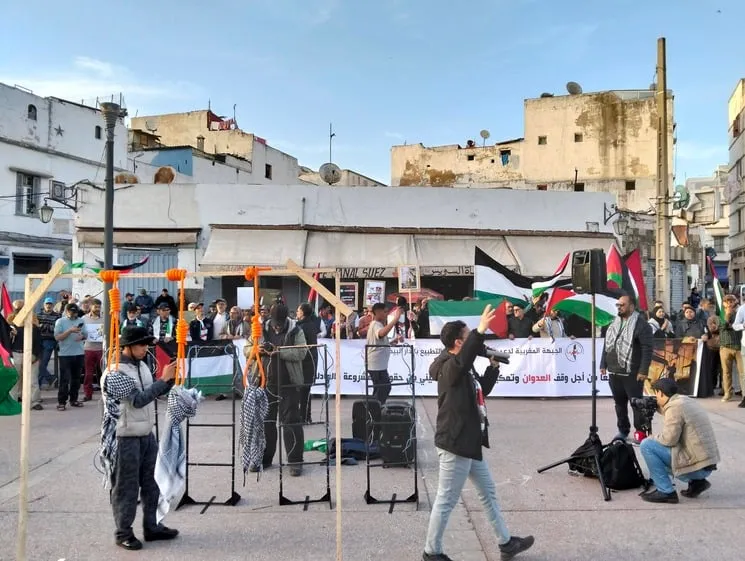
On the evening of April 22, 2026, a significant gathering of protesters took place near the historic Bab Doukkala ramparts in Marrakech, spurred by a viral video that depicted Jewish worshippers performing prayers in that very location. The demonstration, organized by anti-normalization activists, highlighted what they termed "provocative normalization practices," reflecting broader tensions surrounding Moroccan-Israeli relations. Protesters, many waving Palestinian flags and carrying banners that referenced Gaza, expressed their opposition to burgeoning ties with Israel, an issue that has become increasingly contentious within certain segments of Moroccan society. Eyewitness accounts and images from the scene reveal a peaceful assembly of demonstrators along the ancient city wall, chanting slogans and holding placards, with no immediate reports of violence or confrontation.
Context Behind the Prayers
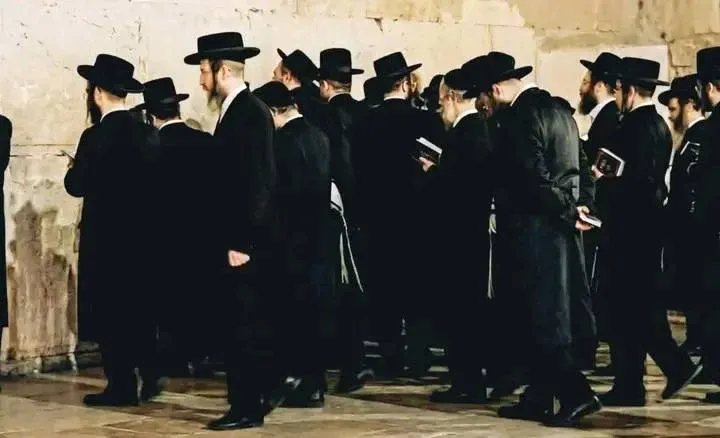
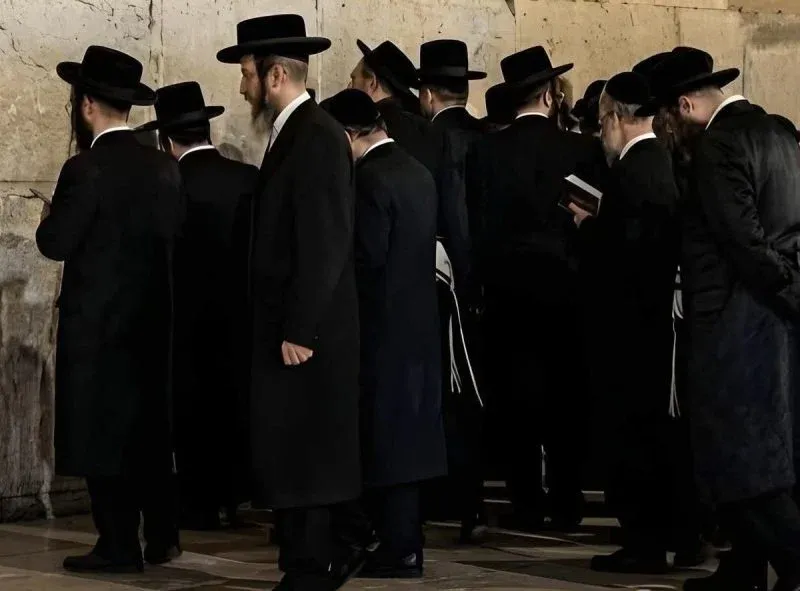
The protests were ignited following the rapid dissemination of video clips showing a group of men clad in traditional Hasidic Jewish garb collectively praying against a wall near Bab Doukkala. This gathering drew comparisons to rituals performed at Jerusalem's Western Wall and incited intense debate across social media platforms regarding the appropriateness of such public displays in a space that lacks recognized Jewish religious significance. In a statement to the press, Jackie Kadouch, the head of the Jewish community in the Marrakech-Safi region, clarified that the individuals in the video were Hasidic tourists who, due to the timing of their travels, were compelled to conduct their prayers outside of designated worship areas. He downplayed the ensuing controversy, explaining that Hasidic Jews typically perform three daily prayers at established times and often seek to do so in groups, known as a minyan, even in informal settings when away from synagogues. Morocco, known for its historical Jewish community, welcomes thousands of Jewish visitors annually, particularly during pilgrimage seasons. However, public prayers in urban areas remain a rare occurrence, often leading to significant public interest and reaction.
As reported by en.hespress.com.