
As the temperatures rise during increasingly hot summers, the demand for air conditioning units is skyrocketing. However, the effectiveness, energy consumption, and lifespan of these systems depend not only on the choice of the device itself but also on proper sizing, installation, and maintenance. Ali Zrouri, a sales director at a leading company in the industry, shares critical insights to help consumers avoid costly mistakes when selecting and using their air conditioning systems.
Every summer, air conditioner sales experience a significant surge, but this year has seen an even more pronounced increase. This growth is driven by a combination of escalating real estate projects and exceptionally high temperatures across various regions, particularly in cities like Marrakech, which are emerging as key players in this market dynamic. Zrouri notes, "While demand is consistently strong during the summer, it has reached unprecedented levels this year, largely due to numerous ongoing projects in cities such as Marrakech."
Informed Consumers and Technical Needs
According to Zrouri, one of the primary shifts in the market is the increasing level of information available to consumers. This heightened awareness is no longer limited to construction professionals or real estate developers; everyday consumers are now well-informed about various technologies and arrive with a clear understanding of their requirements. He emphasizes, "Today, individuals are also very knowledgeable. They understand different technologies and come prepared with specific needs." This evolution has led to a rising interest in ducted air conditioning systems, particularly in larger villas and apartments. Once reserved for high-end projects, these systems are now appealing to a broader clientele seeking discreet yet efficient installations. Many real estate developments even include pre-installations tailored to these systems. Zrouri summarizes, "Our role has shifted more towards guiding the customer in their choice and bringing their project to fruition rather than simply convincing them."
When it comes to selecting an air conditioner, Zrouri insists that size is not the only factor to consider. "Proper sizing is the first step towards a successful installation," he asserts. The sizing calculation should take into account various parameters, such as the room's volume, the city, sun exposure, the presence of glass surfaces, the floor level, the nature of the rooms, and their frequency of use. For instance, in Marrakech, where summer temperatures can soar, the coefficient used for sizing is greater than in coastal cities, where cooling needs are lower. Thus, two apartments of the same size can require vastly different cooling capacities. "A home might require anywhere from 24,000 BTU to two units of 24,000 BTU merely due to its exposure or layout," he explains. A preliminary assessment can prevent undersizing, which can lead to higher energy consumption and reduced performance.
Prioritizing Brand Reliability Over Cost
Price is no longer the sole deciding factor for consumers when choosing air conditioning units. Zrouri highlights that both individual customers and professionals now place greater importance on the reliability of the equipment and the quality of after-sales service. He remarks, "Customers primarily seek a brand that can provide consistent performance and effective support in case of breakdowns." Established international manufacturers typically have structured technical networks, readily available original parts, and response times limited to one or two days. In contrast, lesser-known brands may require up to fifteen days for service, a timeline that is hardly acceptable during peak heat periods.
This shift towards higher quality is accompanied by technological advancements, including the widespread adoption of Inverter models (using R32 refrigerant) and Dual Inverter systems (using environmentally friendly R410A gas). Zrouri notes that the type of refrigerant significantly impacts maintenance costs; older air conditioning units running on R22 are becoming more expensive to maintain due to the increasing scarcity of this gas in the market. Conversely, R32, now prevalent in the latest generations of air conditioners, is readily available and better meets contemporary environmental requirements.
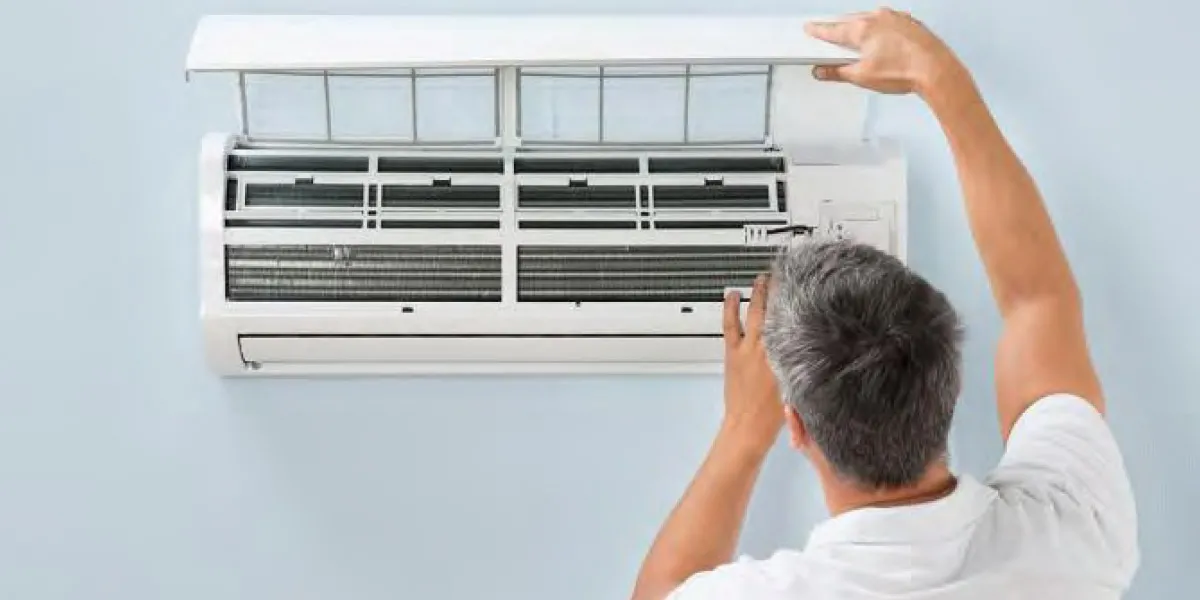
Installation and maintenance also play a crucial role in the performance of air conditioning systems. Zrouri cautions that the high demand during summer often leads to the emergence of unqualified installers offering prices as low as 200 to 250 MAD, compared to 500 to 700 MAD for qualified professionals. "A poor installation can lead to malfunctions or even damage the compressor if the refrigerant is not handled properly," he warns. Regular maintenance is essential, as well. "Cleaning the filters every one to two months helps maintain the device's performance, reduce energy consumption, and extend its lifespan," concludes Zrouri.
As reported by leseco.ma.