Protest Against Degree Recognition Policy Change
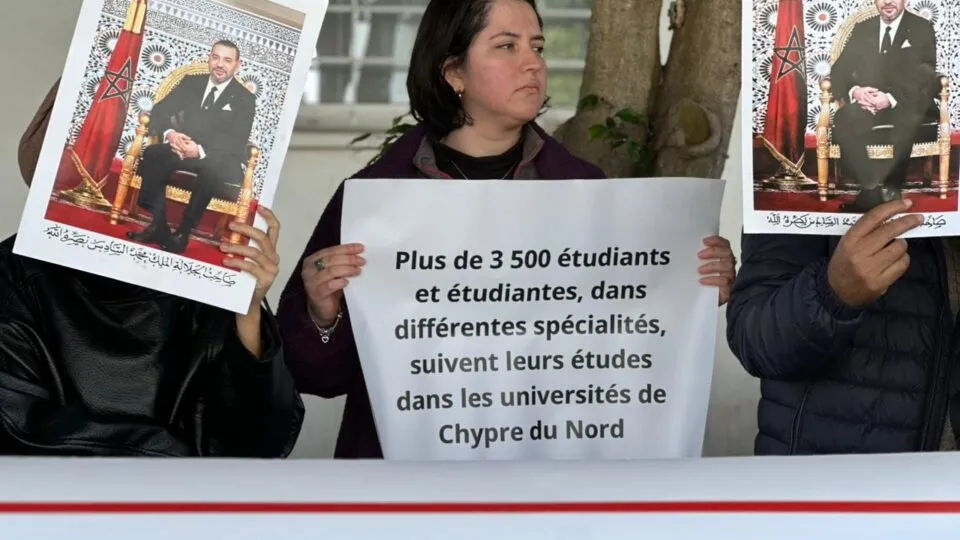
In a striking display of solidarity, Moroccan nationals who pursued their education at universities in northern Cyprus gathered outside the Moroccan parliament in Rabat on Wednesday to voice their concerns over a recent government decision. This decision effectively rescinded the recognition of degrees awarded by institutions located in the northern part of Cyprus, a region characterized by its complex political status. Historically, the Moroccan government acknowledged the equivalence of these degrees, which had previously been validated by Turkey's higher education council (YOK). However, a policy shift in 2024 abruptly altered this long-standing acceptance, leaving many students and graduates in limbo regarding their qualifications, particularly those who were still studying or had just graduated in 2023 and 2024.
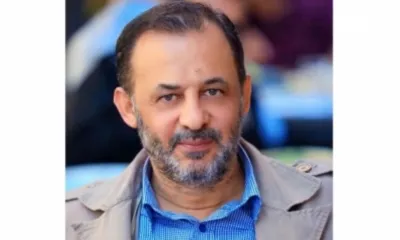
Speaking to local media outlet Sawt Al Maghrib, Ashraf Khattab, a pharmacy graduate from Cyprus International University and representative of a committee formed to protest this decision, highlighted the implications of a letter from the Moroccan foreign ministry that prompted the education ministry to halt degree recognition. The letter cited the political status of northern Cyprus, which lacks international recognition, as the underlying reason for this administrative change. Khattab staunchly defended the integrity of these universities, noting their established global standings, evaluations by international bodies, and connections to Turkey's recognized education system.
Impact on Students and Call for Government Intervention
More than 3,000 Moroccan students are reportedly affected by this abrupt policy change, with many having sought assurances regarding the recognition of their degrees prior to enrolling in northern Cyprus universities. Khattab lamented that these students find themselves victims of what he termed 'administrative injustice', as they are unable to obtain validation for their degrees due to bureaucratic inconsistencies. He emphasized the urgent need for government intervention to rectify the situation and provide a just resolution for the affected students and graduates.
In their pursuit of justice, the advocates have spent nine months engaging various government departments, filing complaints with political parties, and even reaching out to Morocco's ombudsman, yet they have seen little progress. Khattab expressed growing concern over the rising anxiety among graduates who are now barred from entering the job market or pursuing further studies due to the non-recognition of their qualifications. This situation has led to numerous students needing to repeat their studies or switch majors, resulting in significant financial and personal losses.
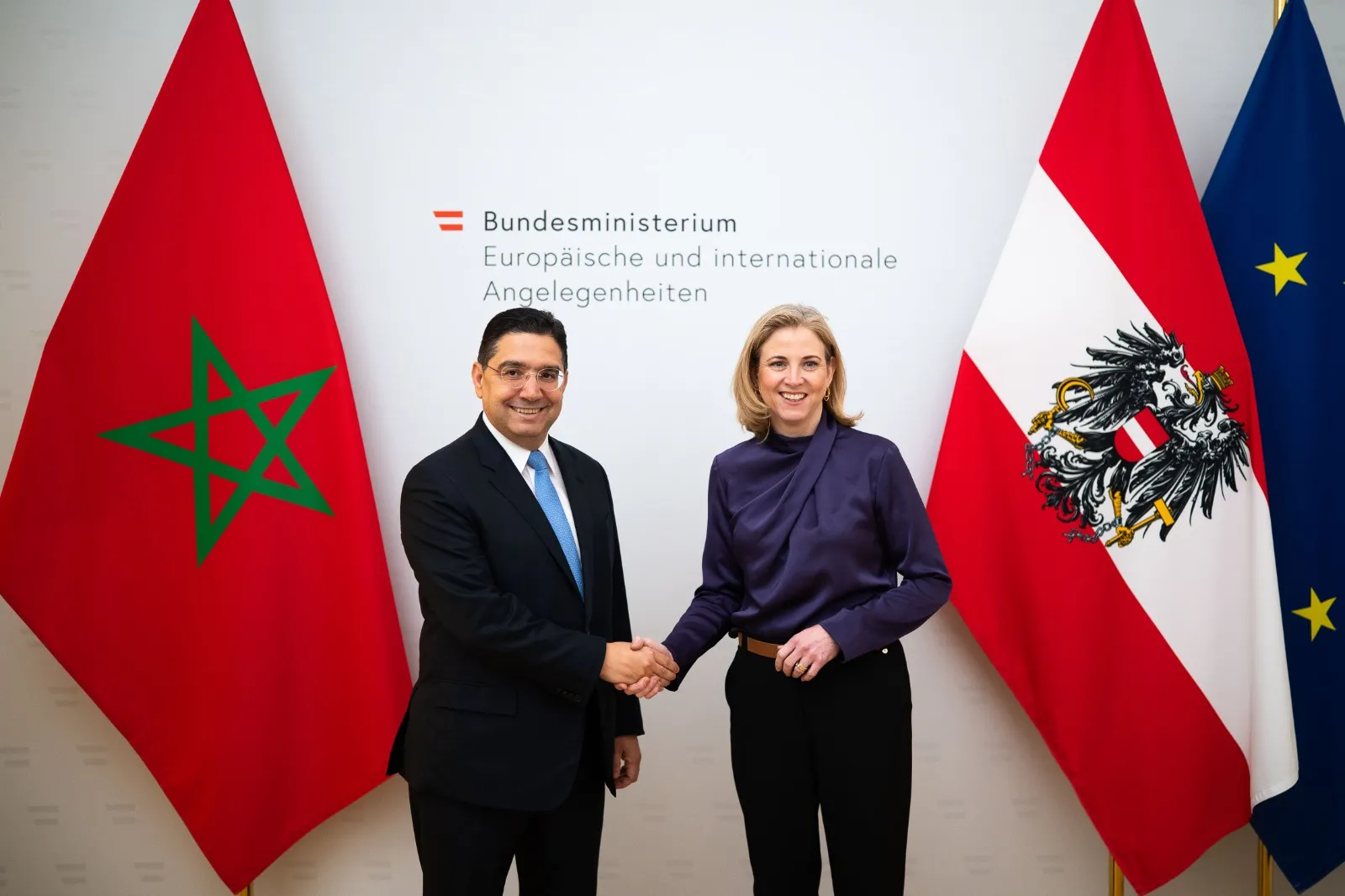
Furthermore, the lack of communication from the education ministry regarding the fate of these degrees has exacerbated the psychological stress and frustration felt by the students and their families. Moroccan Foreign Minister Nasser Bourita addressed the issue, reiterating that Morocco's non-recognition of northern Cyprus directly affects the validity of degrees from its institutions. He stated that any administrative interaction with these universities could be misconstrued as tacit recognition, urging caution in diplomatic dealings.
While the committee of affected students prioritizes national interests, they firmly reject the idea of being held accountable for administrative errors resulting from decisions beyond their control. The path forward necessitates a careful balance between upholding national principles and addressing the legitimate concerns of the students caught in this administrative crossfire. As reported by cyprus-mail.com.