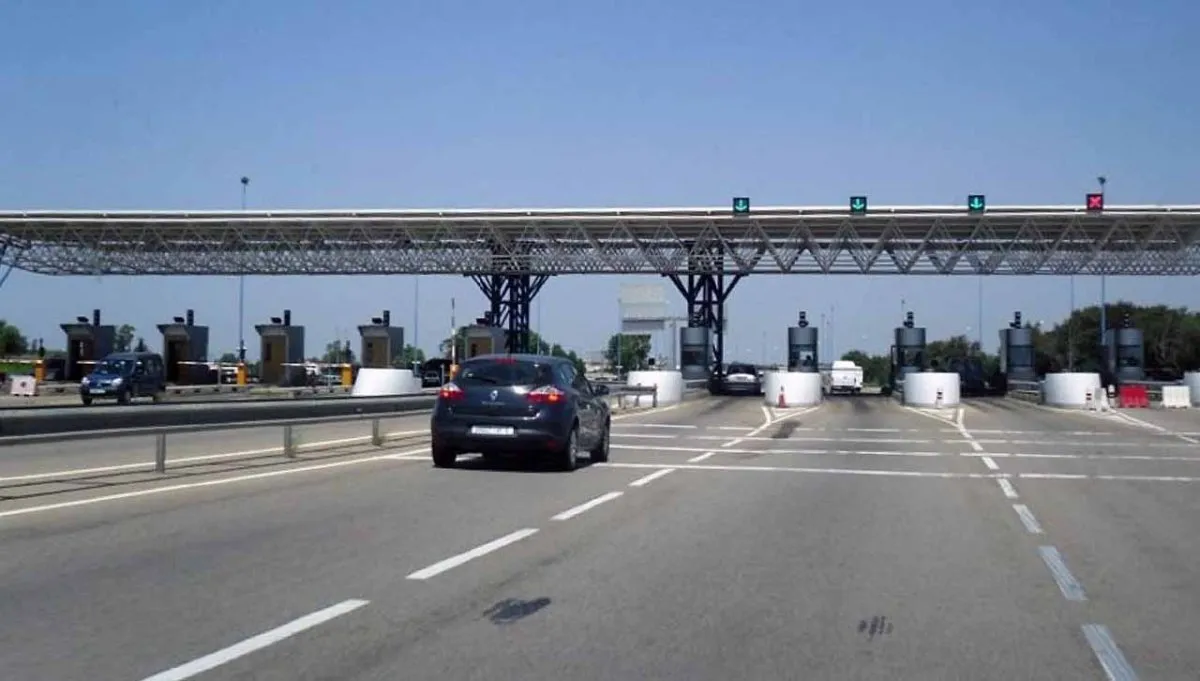

The ongoing plight of motorists on Moroccan highways is exacerbated by the peril posed by stray animals, which have been known to cause severe traffic accidents, resulting in significant material and human damages that jeopardize road users' safety. Despite the National Roadways Company of Morocco's persistent attempts to evade responsibility for securing highways against the intrusion of stray animals, the judiciary has a contrasting perspective, as evidenced by a recent ruling from the Administrative Court of Appeal in Marrakech.
In the facts presented, following an appeal lodged on October 3, 2024, by the National Roadways Company of Morocco, the Administrative Court in Marrakech ruled that the company must pay the plaintiff a total compensation of 19,000 dirhams, including costs. The documentation revealed that the plaintiff, while driving on the Marrakech-Agadir highway, was unexpectedly confronted by a stray dog crossing the road, leading to a collision despite his attempts to avoid it, resulting in material damages to his vehicle as evidenced by an attached invoice.
The plaintiff was compelled to rent another vehicle to fulfill his obligations and requested the court to order the defendant company to pay him 37,560 dirhams in damages, along with the associated costs. After the parties responded and the court conducted a review, including expert assessments, it issued the aforementioned ruling, which was subsequently appealed by the National Roadways Company of Morocco. They claimed that the court had violated legal provisions, specifically articles 404 and 440 of the Obligations and Contracts Code, by relying solely on photographic evidence to establish liability, as well as on a police report, which according to them is not a valid form of evidence as per the stipulated legal guidelines.
The company further argued that the court had ignored the provisions of Article 6 of Law No. 4.89 concerning highways and Article 92 of the Traffic Code, which would absolve them of responsibility, claiming that the plaintiff was required to adhere to traffic regulations and take necessary precautions to avoid hazards while driving.
Additionally, the company contended that the rationale for the ruling was flawed, asserting that they had not committed any error nor held any liability since their operations under the concession granted by the state, along with the laws governing highways, do not obligate them to erect fences or barriers on the highway. They also questioned the objectivity of the expert assessment, noting the expert's failure to inspect the vehicle involved in the incident.
The company sought the annulment of the challenged ruling, along with a request to dismiss the case due to lack of evidence and to reject the request in substance. They also conditionally requested that their insurance company be substituted to fulfill any payment obligations if necessary.
After deliberation, the court determined that the appellant had not disputed the authenticity of the documents presented in the initial phase, making them valid for evidentiary purposes. Furthermore, the incident in question was a material fact that could be substantiated through all legally permissible means of evidence, including the preliminary investigation report conducted by the Royal Gendarmerie, thereby rendering the first part of the appeal unfounded.
Regarding the second part of the appeal, the court noted that based on all the case documents, particularly the preliminary investigation report, it was evident that the plaintiff's vehicle had indeed been involved in a collision with an animal. Given that the appellant company is responsible for managing and maintaining access to the highway, it bears a legal obligation to ensure the safety of highway users and to implement necessary precautions to prevent animals from entering the roadway.
Thus, the court concluded that the defense of complete exemption from liability was not viable, and such exemption could only be established by proving compliance with maintenance and oversight duties. This aligns with judicial precedents from the Court of Cassation, which emphasize that one of the primary duties of the National Roadways Company of Morocco is to maintain public facilities under the concession agreement, and failure to take adequate precautions to prevent stray animals from accessing the road raises their liability for resultant damages under Article 79 of the Obligations and Contracts Code.
As for the appellant's request to replace the company with its insurance provider in terms of liability, this was unsupported by proof of coverage or an insurance relationship, rendering it dismissible. Consequently, the court upheld the original ruling in favor of the plaintiff, as affirmed by the Administrative Court of Appeal in Marrakech.
As reported by madar21.com.