Moroccan Reactions to Spanish Royal Visit
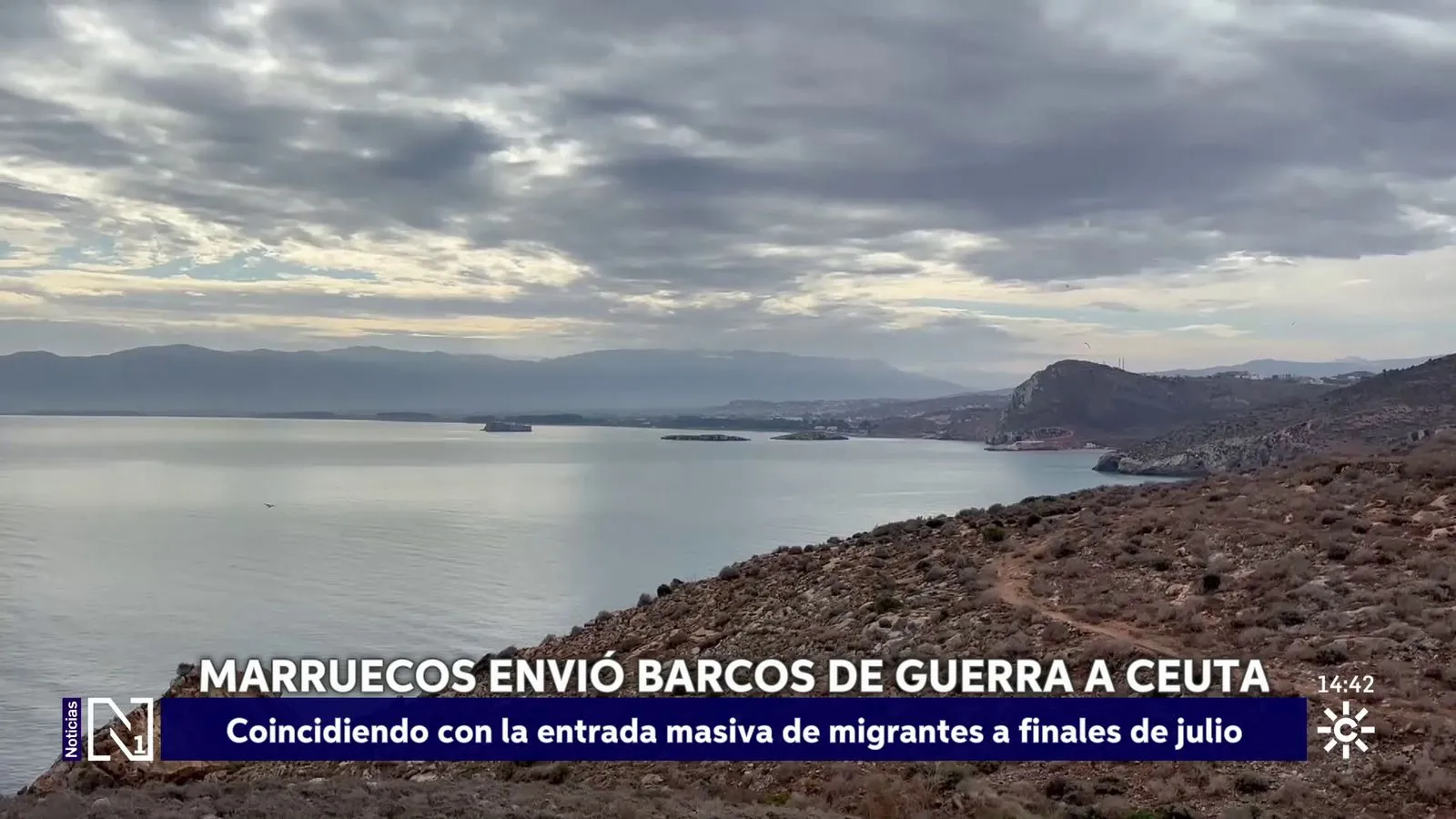
The upcoming visit of Spanish King Felipe VI to the disputed territories of Ceuta and Melilla, scheduled for October 13 and 14, 2026, has ignited a wave of indignation among Moroccans. This visit marks a significant diplomatic moment between Madrid and Rabat, particularly following the recent migration crisis that saw an influx of over 70,000 individuals attempting to enter Ceuta. The king's presence is perceived by many in Morocco as a provocative assertion of Spain's claim over regions that Moroccans consider to be under occupation. For young residents in Casablanca, the visit sends a clear message: "Sebta is Spanish, not Moroccan, and we are to forget about it!" This sentiment reflects a broader frustration felt by many regarding the historical and ongoing tensions surrounding these territories.
Despite the palpable public sentiment, official responses from the Moroccan government have been notably muted. The media initially condemned the visit as a sign of defiance but has since retreated into silence as the date approaches. This strategic quietness is reminiscent of past diplomatic clashes, such as the one triggered by a similar visit from former King Juan Carlos in 2007, which led to the Moroccan government recalling its ambassador from Spain for consultations. Observers note that the current situation might be an attempt to avoid further escalating tensions, as one Casablanca resident remarked, "The Moroccans will not forget. The king should not be visiting an occupied city; he could have sent a representative instead."
The relationship between Morocco and Spain has been complex, particularly in light of recent developments that have strengthened ties since 2022. This includes Spain's support for Morocco's autonomy plan for Western Sahara, which seems to counterbalance the ongoing disputes over Ceuta and Melilla. Additionally, just days before the royal visit, Spanish authorities dismantled a significant migrant camp in Ceuta that had formed after the summer's migration crisis, highlighting the ongoing humanitarian challenges that accompany these territorial disputes.
As reported by rfi.fr.