
Voter Concerns and Political Context Ahead of Elections
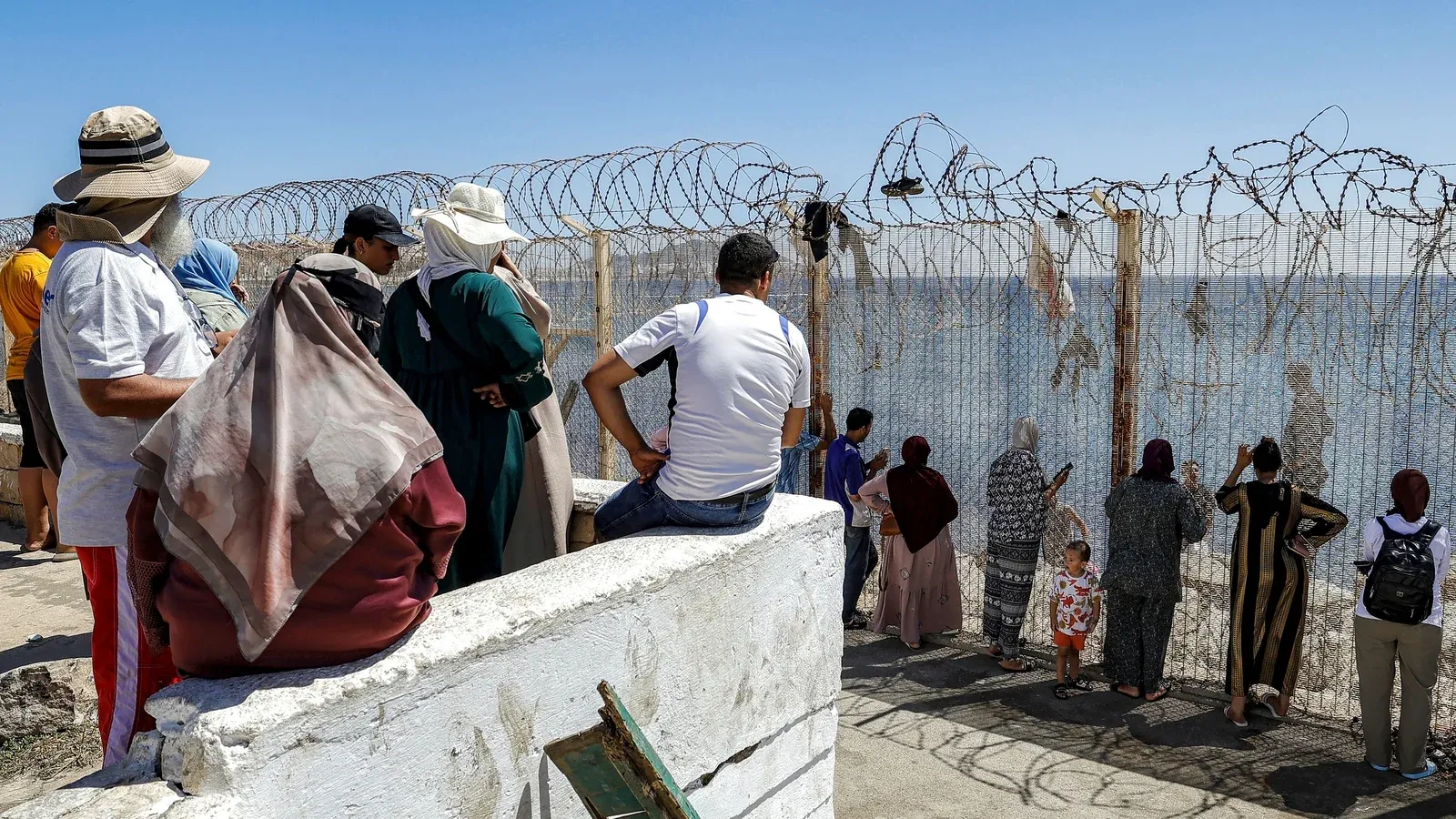
As Morocco gears up for its legislative elections, scheduled for Wednesday, September 20, 2026, the air is thick with the aspirations and grievances of its citizens. With pressing issues such as job creation, wage increases, reduced inequality, and improvements in housing, education, and healthcare at the forefront, voters are keenly aware of the stakes involved. This election carries the weight of being the first parliamentary vote following the significant protests led by the younger generation last year and the tragic events at the border with Ceuta this past July, where numerous lives were lost during mass crossings.
The upcoming government will be tasked with managing billions of dollars in investments as Morocco prepares to co-host the 2030 FIFA World Cup, which has led to the moniker of a "World Cup government." This backdrop sets the stage for a potentially transformative political landscape, where even a prominent figure from the sports industry, such as Faouzi Lekjaa, president of the Royal Moroccan Football Federation and a member of the Authenticity and Modernity Party (PAM), could emerge as a key player in the formation of the new government.
Electoral Landscape and Key Players
In total, 7,288 candidates from 27 political parties are vying for 395 seats in the new parliament, reflecting a vibrant yet complex electoral landscape. The current governing coalition includes the National Rally of Independents (RNI), which has pledged a guaranteed monthly minimum wage of 5,000 dirhams (approximately $525) and the creation of one million jobs. Meanwhile, the PAM party promises tax exemptions for salaries below 15,000 dirhams ($1,575) and the provision of 100,000 housing solutions aimed at the youth. Other political entities such as the Istiqlal Party and the opposition left-wing PPS are also outlining ambitious reforms, focusing on improving healthcare services and reducing school dropout rates.
However, the path to forming a stable government may be fraught with challenges, as no single party is expected to secure an outright majority. The king traditionally selects the prime minister from the leading party, but coalition-building will be essential. The monarchy maintains significant control over key strategic decisions, with the king's advisers often shaping the overall policy direction. The potential for a woman to assume the role of prime minister, namely Fatima-Zahra Mansouri, is a notable point of interest, as she could become the first female in this position should PAM succeed in the elections.
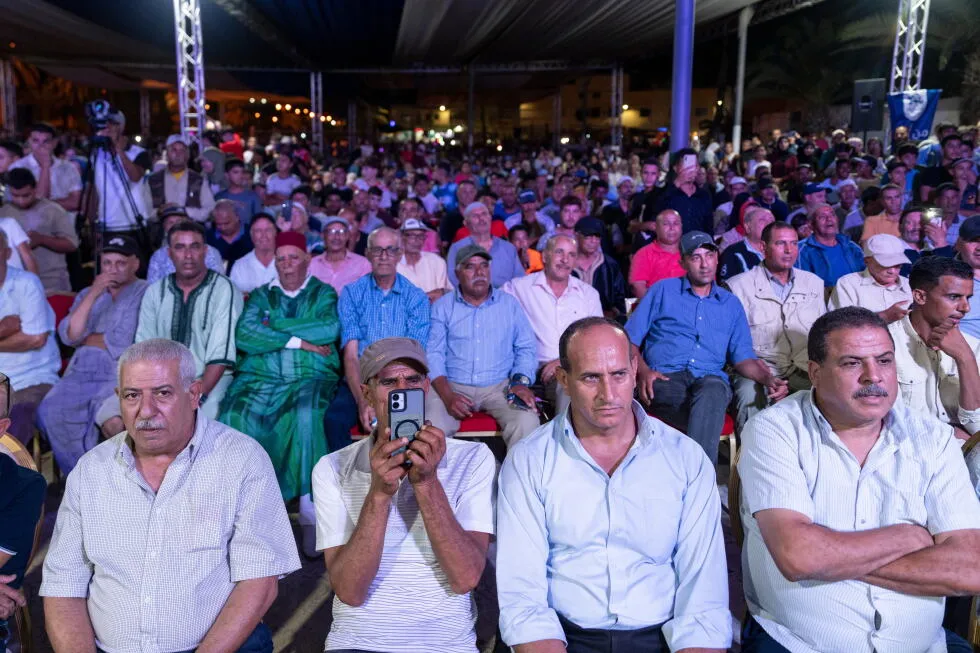
As the election date approaches, discontent among the youth, particularly those facing a staggering unemployment rate of 37%, is palpable. Many young Moroccans feel disillusioned with traditional political avenues, leading to increased protests and expressions of frustration. The demographic challenge is compounded by a decline in registered voters, down 9.7% from the previous elections, signaling a growing disengagement from the political process. Observers anticipate low voter turnout, which will serve as a critical indicator of public sentiment and engagement with the state.
As reported by apnews.com.