
Spain Faces Migrant Crisis as Moroccan Border Control Falters
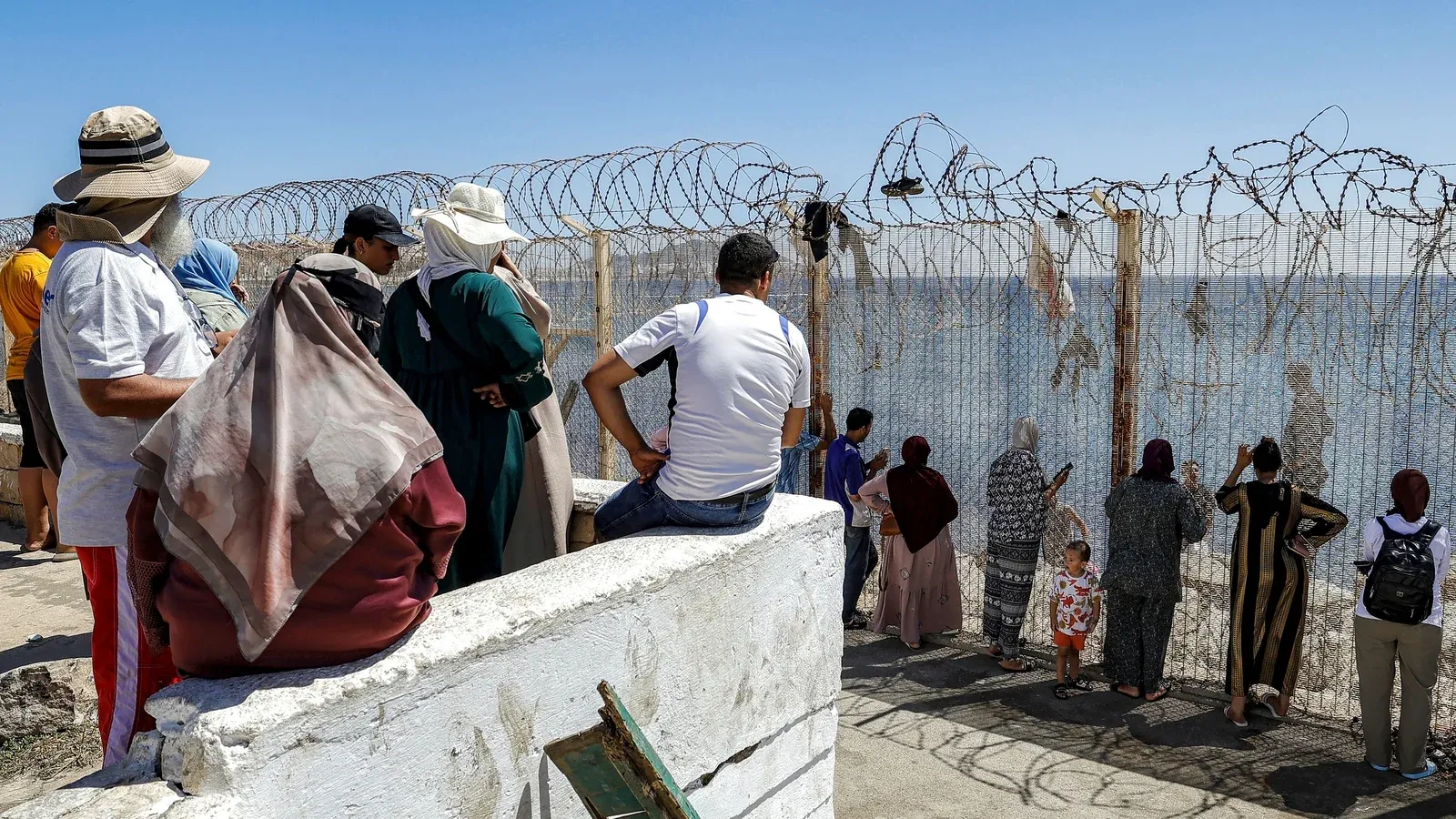
In a recent statement, Spanish Prime Minister Pedro Sanchez has placed the blame for a significant migrant crisis in Ceuta, a Spanish enclave in North Africa, squarely on the shoulders of Moroccan border management. This unprecedented surge occurred on July 30 and 31, when over 70,000 migrants entered Ceuta during a chaotic and perilous attempt to cross the border. Although most of these individuals returned to Morocco shortly after, thousands have remained in the enclave, leading to escalating tensions, violent episodes, and frequent protests among local residents who are grappling with the consequences of this influx.
During an interview with CNN in New York, Sanchez emphasized the need for accountability, stating, "We are investigating what happened during those days back in July, but we have also requested action and explanations from Morocco, as it is evident that their border control has failed." His comments highlight the urgency of the situation and the necessity for changes to prevent a recurrence of such an event, although he acknowledged that there is no concrete evidence suggesting that Morocco orchestrated the migrant surge.
A recent report by Spanish police indicated that the number of Moroccan police officers deployed to the border was significantly below the usual levels, and that there was a noticeable lack of effort to control the surge of migrants attempting to enter Ceuta. This report was compiled using satellite imagery, publicly available videos, and testimonies from those involved, revealing a concerning lapse in border security at a critical moment.
In the aftermath of the crisis, the Spanish government is now tasked with identifying the thousands of migrants who remain in Ceuta to ascertain their eligibility for asylum, particularly focusing on unaccompanied minors who cannot be deported without due process. The situation remains fluid, and the local and national authorities are under pressure to manage both the humanitarian and security aspects of this ongoing crisis.
As reported by rte.ie.