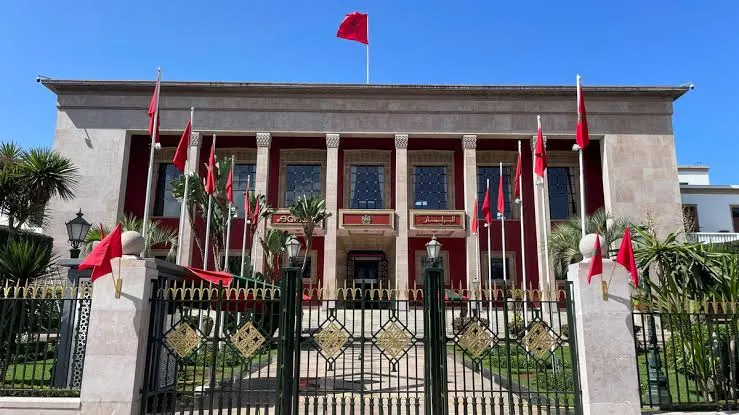

Moroccans are gearing up to head to the polls on September 23rd to elect their next Parliament. Amidst rising unemployment, the crisis in Ceuta, and the anniversary of the Gen Z protests, political parties are striving to engage the youth, a demographic that constitutes a mere 3% of registered voters.
Political parties in Morocco have launched extensive campaigns to attract nearly 16 million registered voters ahead of the legislative elections. These elections are set against a backdrop of significant social strife and widespread disillusionment among the youth. The coalition government, led by businessman Aziz Akhannouch, faces critical stakes in this electoral process, which will determine the 395 representatives in the House of Representatives. To win over young voters, parties are promising employment opportunities and affordable housing in a kingdom where social inequalities remain stark.
Young Voters Disillusioned by Lack of Political Change
A substantial portion of Morocco's youth has expressed fatigue and frustration toward the governing authorities, as evidenced by last year's demonstrations organized by the GenZ 212 collective. These upcoming elections fall just four days after the anniversary of protests that resulted in three fatalities and hundreds of injuries. Despite the pressing social issues surrounding youth, younger generations appear to have disengaged from the electoral process; individuals aged 18 to 24, who make up 12% of the population, account for only 3% of registered voters. A survey conducted in March by the research organization Afrobarometer revealed that only one-third of Moroccans aged 18 to 35 express any trust in Parliament, the Prime Minister, or political parties. Many young people feel disheartened by the perception that elections do not lead to significant political changes.
Unemployment remains a persistent issue in Morocco, particularly affecting the youth, with a staggering 27% unemployment rate among this demographic—the highest across all age groups. According to the European Commission's "Morocco: Active and Creative Youth" program, around 2.9 million Moroccans aged 15 to 29 are neither employed, studying, nor partaking in any training programs. This figure predominantly affects young women, representing about one in three Moroccan youths.
King Mohammed VI has publicly condemned the "two-speed" development of the country. In his Throne Day speech on July 29, the monarch highlighted the poverty and precarious living conditions still faced by residents in certain rural areas. He underscored the urgent need to address the "social and territorial disparities" within his kingdom.
A Tense Campaign Ahead of the Fourth Election Since the Arab Spring
The legislative elections on September 23rd mark the fourth such vote since the Arab Spring protests in 2011 compelled the monarchy to share more power with Parliament. For nearly a decade, a moderate Islamist party led the government. Following a crushing defeat in the last election five years ago, it yielded power to two parties closely associated with the palace: the National Rally of Independents (RNI) and the Authenticity and Modernity Party (PAM). Both parties have prioritized youth employment in their campaigns, pledging to create approximately one million jobs during the upcoming legislative term.
The PAM’s electoral program rejects the notion that young people only seek an easy life, emphasizing housing, a stable income, and "decent work" as political priorities. The RNI and PAM are at the center of significant tensions in this election, which could potentially unseat the RNI from power. The ruling party's campaign has been marred by corruption scandals involving former RNI deputy Rachid El Fayek. Aziz Akhannouch, the former leader, continues to be a prominent figure, traversing the country to support candidates from his party.
Additionally, the current ruling coalition's third component, the Istiqlal party, aims to make its mark in this election. Nizar Baraka, the party leader, emphasizes the Sahara as a key campaign issue, also advocating for the elimination of intermediaries in the food sector.
There is also the possibility of a groundbreaking scenario where Fatima Ezzahra El Mansouri, the Minister of Housing and Mayor of Marrakech, could become the first woman to lead the government. El Mansouri prioritizes reducing territorial divides and reconciling with the youth within the PAM’s vision. She emphasizes the importance of engaging with the "deep Morocco" and addressing the territorial disparities within the country, asserting that politics should not solely be conducted from Rabat.
Over the past five years, since the launch of the country's "new development model," billions have been invested in sectors such as deep-water ports, phosphates, green energy, and railway lines, with the economic plan aiming to double the GDP per capita by 2035. However, these initiatives have yet to benefit the general population, leading to widespread discontent. As highlighted in a report by the Central Bank of Morocco, persistent unemployment and other factors have widened "the gap between objectively measured economic performance and citizens' perceptions of it."
As reported by information.tv5monde.com.