
Morocco's Ambitious Plans for the 2030 World Cup Final
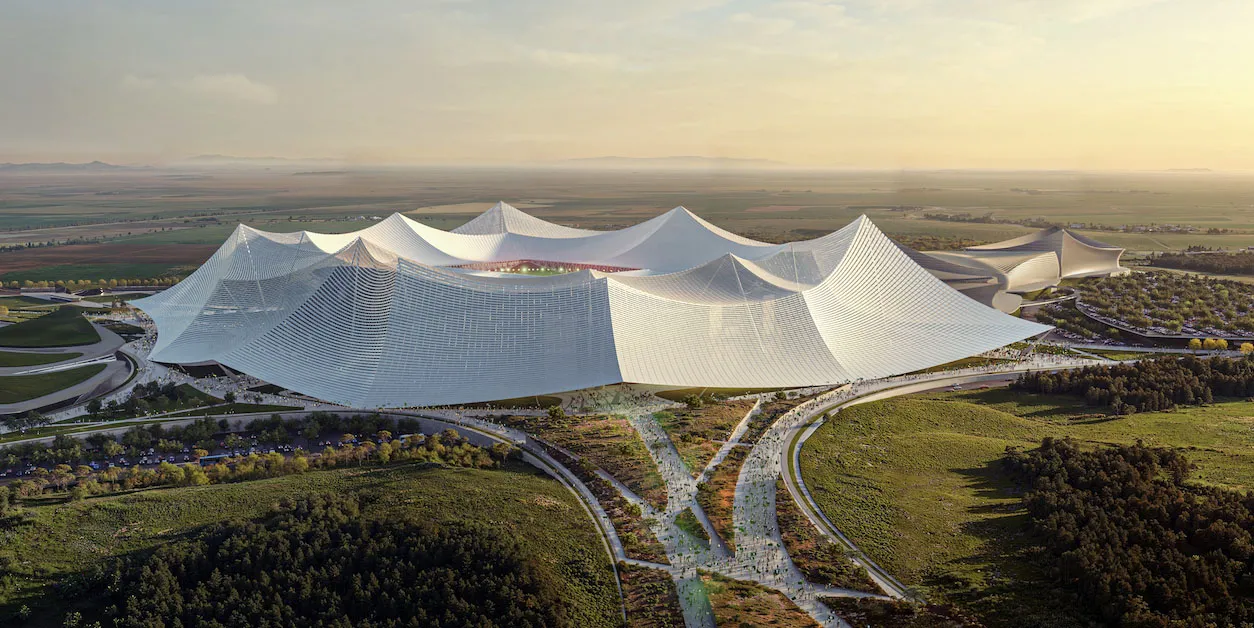
Morocco has made a bold claim, announcing its intention to host the final match of the 2030 FIFA World Cup. This announcement comes at a time when the country is gearing up for significant investments in its sports infrastructure, particularly focusing on the construction of a monumental stadium that aims to set a new standard in football venues. Located just 40 miles from Casablanca, the Hassan II Stadium is projected to cost around $1 billion, and once completed, it is expected to have a staggering capacity of 115,000 spectators, which would make it the largest football stadium in Africa.
As Morocco steps into the global spotlight, the infrastructure developments are not merely about hosting the World Cup; they symbolize a broader ambition to position the country as a key player in international sports. The Hassan II Stadium, designed to accommodate large crowds, will not only serve as a hub for the World Cup final but is also envisioned to host other major sporting events, thereby enhancing Morocco's reputation as a premier destination for sports tourism.
This strategic move aligns with Morocco's ongoing efforts to promote its cultural heritage and tourism industry. The country's rich history and vibrant culture provide an attractive backdrop for international visitors, which could potentially lead to increased economic benefits from tourism during and after the World Cup. By hosting such a prestigious event, Morocco aims to showcase its capabilities on a global stage, hoping to attract more international sporting events in the future.
As the world anticipates the 2030 World Cup, all eyes will be on Morocco to see if it can deliver on its ambitious promises and create a lasting legacy for football in the region.
As reported by sportsbusinessjournal.com.