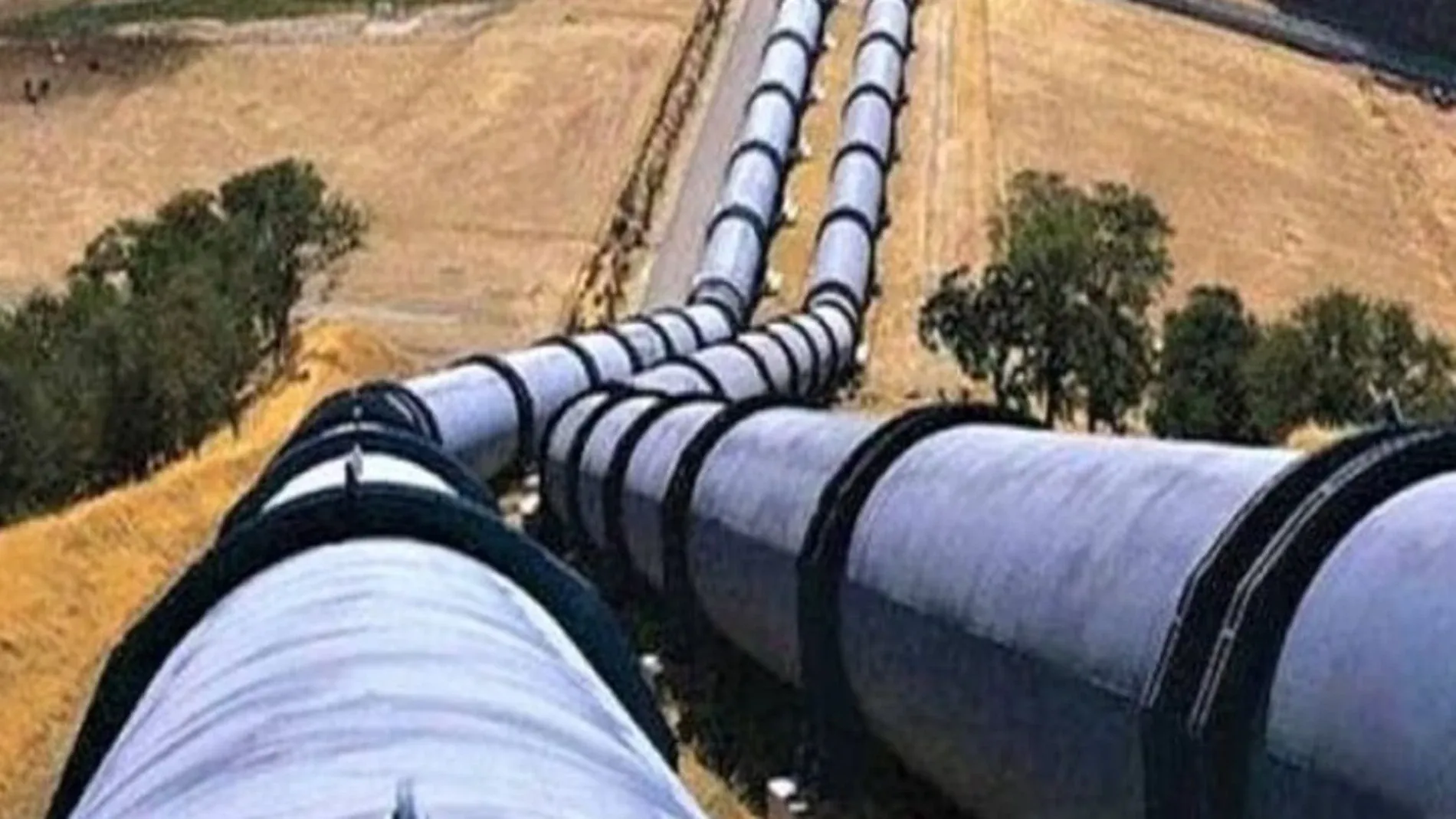

Major Gas Pipeline Agreement to Enhance African Energy Integration
Morocco and Nigeria are poised to finalize an intergovernmental agreement (AIG) this year for the ambitious $25 billion gas pipeline project, as confirmed by Amina Benkhadra, the Director of Morocco's National Office of Hydrocarbons and Mines (ONHYM). This critical agreement will pave the way for the establishment of a high authority in Nigeria, which will consist of ministerial representatives from the 13 participating countries. The purpose of this authority is to ensure effective political and regulatory coordination throughout the project.
In Morocco, a joint venture will be formed between ONHYM and the Nigerian National Petroleum Corporation (NNPC) to oversee the execution, financing, and construction of the gas pipeline. Amina Benkhadra highlighted that this project is set to bolster economic integration in West Africa by enhancing electricity production and stimulating industrial and mining development. Additionally, it will position Morocco as a strategic energy bridge between Africa and Europe, according to reports from Reuters.
Project Details and Future Outlook
The initial segments of the gas pipeline will link Morocco to gas fields in Mauritania and Senegal, while also connecting Ghana to Ivory Coast. A final segment will bridge Ghana with Nigeria’s gas reserves, with the first gas supplies anticipated to commence by 2031. Benkhadra clarified that the project does not rely on a single definitive global investment decision; instead, each segment will be developed as an 'autonomous system' to enable the anticipated value creation.
Although final financing remains unconfirmed, the project management team plans to address this through a combination of equity and debt financing. Benkhadra noted, "The project is generating significant interest due to its scale, phased structure, and strategic positioning." Originally conceived a decade ago, the African Atlantic Pipeline will stretch approximately 6,900 kilometers, integrating both marine and land segments with a maximum capacity of 30 billion cubic meters (bcm). Of this capacity, 15 bcm will be allocated to Morocco while supporting exports to Europe. With the backing of the Economic Community of West African States (ECOWAS), the project has successfully completed its feasibility and basic technical design phases.
As reported by larazon.es.