

Strengthening Borders Amid Migration Concerns
On September 23, 2026, Morocco and Spain demonstrated a significant achievement in enhancing border security, successfully countering calls for collective migration towards the Spanish enclaves of Ceuta and Melilla. This development appears to breathe new life into the diplomatic relations between the two neighboring countries, as both sides ramped up security measures in response to increasing social media calls for mass crossings. Reports indicate that the situation remained stable and calm throughout the day, with no attempts to breach the borders reported as of noon.
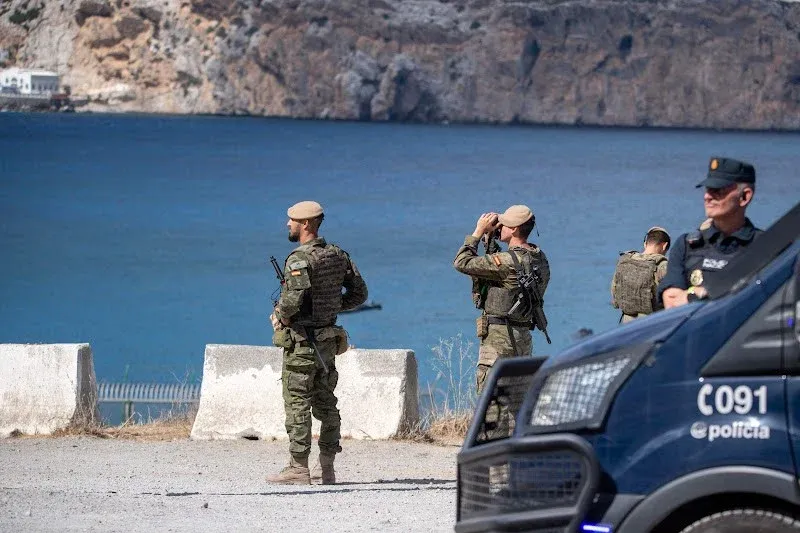
The Moroccan security presence was particularly heightened in the border area between the town of Fnideq and the occupied city of Ceuta, coinciding with the growing discussions about organized crossings. According to the Spanish news agency EFE, the borders were put on high alert, while maintaining a peaceful status on both sides. This increased security was not limited to the immediate border points but also extended to the roads leading from Tangier and Tetouan towards Fnideq, reflecting a comprehensive approach to managing potential migration.
Continued Vigilance and Diplomatic Engagements
Despite the heightened security, reports from the Spanish side indicated no large-scale movements of migrants toward the border fence from Morocco. The situation remained calm, with preventive security measures firmly in place throughout the border region. Local media in Ceuta noted a noticeable Moroccan security presence around the border area, complemented by maritime patrols. Images shared by Ceuta TV showcased the strong security deployment on both sides, describing the atmosphere in areas like Tarajal and Benzu as tranquil, albeit with heightened readiness.
This series of measures comes amid social media rumors calling for a mass entry on the same day, coinciding with Morocco's legislative elections. These rumors suggested a potential decrease in security personnel at the crossings, a notion that the available data from Spanish media has not substantiated. On the Spanish side, security forces increased their presence since the night of September 22, deploying an additional 75 intervention units and bolstering the Civil Guard's presence with three reserve and security units. Additionally, helicopters and drones were utilized to monitor the border area effectively.
In the vicinity of Benzu, reports from EFE noted sightings of migrants from sub-Saharan Africa in the mountainous regions near the border, yet no attempts to approach the fence or cross it were recorded. The situation in Melilla was similarly calm, with Spanish authorities not reporting any illegal entry attempts despite the circulating calls for action on that day. EFE highlighted that the security deployment was more significant than usual, with reinforcements from police and the Civil Guard, as well as aerial surveillance of the borders.
As of Wednesday afternoon, the information available suggests that the coordinated security responses from both Moroccan and Spanish authorities effectively thwarted the recent calls for mass migration towards Ceuta and Melilla. Spanish Foreign Minister José Manuel Albares announced an upcoming meeting with his Moroccan counterpart, Nasser Bourita, on the sidelines of the 81st United Nations General Assembly in New York. This meeting aims to continue fostering coordination between Rabat and Madrid on several mutual issues, particularly concerning the situation in the occupied city of Ceuta. Albares clarified that the exact timing of the meeting with Bourita has not been finalized, as both ministers work on scheduling their agendas.
Albares emphasized that both parties have agreed to meet for a "calm and balanced dialogue" regarding the situation in Ceuta, especially in light of the ongoing presence of migrants who arrived during the recent wave of collective crossings.
As reported by hespress.com.
