

Strengthened Security Measures at the Moroccan-Spanish Border
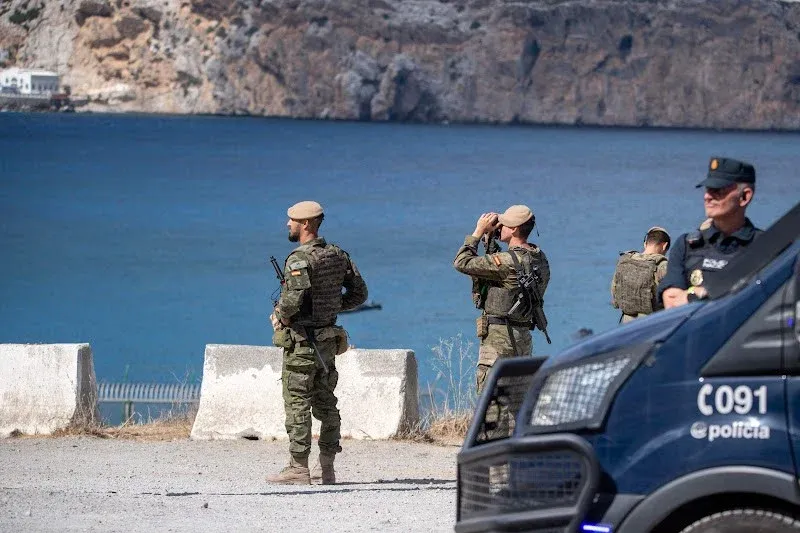
On September 23, 2026, Morocco and Spain demonstrated effective coordination in preventing mass migration attempts towards the disputed cities of Ceuta and Melilla. This collaborative effort has not only reinforced the stability of the border regions but has also potentially revitalized the diplomatic relations between the two neighboring countries. The heightened security presence was evident along the borders, particularly in the area surrounding Fnideq and the entry points into the occupied territories of Ceuta and Melilla. Reports throughout the day indicated a significant police and military deployment from both nations, which contributed to maintaining a calm and secure environment without any recorded attempts to breach the borders by migrants.
Impact of Social Media and Ongoing Security Operations
The escalation of security measures came in response to social media calls for a collective crossing into Ceuta and Melilla on the same day. While these calls raised concerns, the situation remained stable, with no significant movements reported from the Moroccan side towards the border fences. Spanish media outlets highlighted that the Moroccan security forces not only fortified the border points but also extended their presence on the highways leading from Tangier and Tetouan to Fnideq, ensuring a comprehensive approach to border security. As of midday on the 23rd, reports indicated that the Moroccan and Spanish forces had effectively curbed any collective movements towards the fences, with local media in Ceuta noting the significant visibility of Moroccan security personnel in the vicinity.
On the Spanish side, security reinforcements were implemented starting the night before, with the deployment of 75 additional intervention unit officers by the police and further support from the Civil Guard. Surveillance operations included aerial monitoring through helicopters and drones, enhancing the oversight of the border area. Reports also mentioned the sighting of sub-Saharan migrants in the mountainous regions near the border; however, there were no attempts to approach the fence or cross over. In Melilla, the border remained equally quiet, with Spanish authorities reporting no irregular entry attempts despite the circulating calls for action.
As of midday Wednesday, the information available indicated that the robust mobilization efforts by both Moroccan and Spanish security forces had successfully thwarted the calls for mass crossings into Ceuta and Melilla. Spanish Foreign Minister José Manuel Albares announced an upcoming meeting with his Moroccan counterpart, Nasser Bourita, on the sidelines of the 81st session of the United Nations General Assembly in New York. This meeting aims to continue the cooperative dialogue between Rabat and Madrid on several joint issues, particularly concerning the situation in Ceuta. Albares emphasized the importance of maintaining a calm and balanced dialogue regarding the ongoing challenges in Ceuta, especially in light of the number of migrants who have recently arrived in the city during previous mass migration attempts.
As reported by hespress.com.
