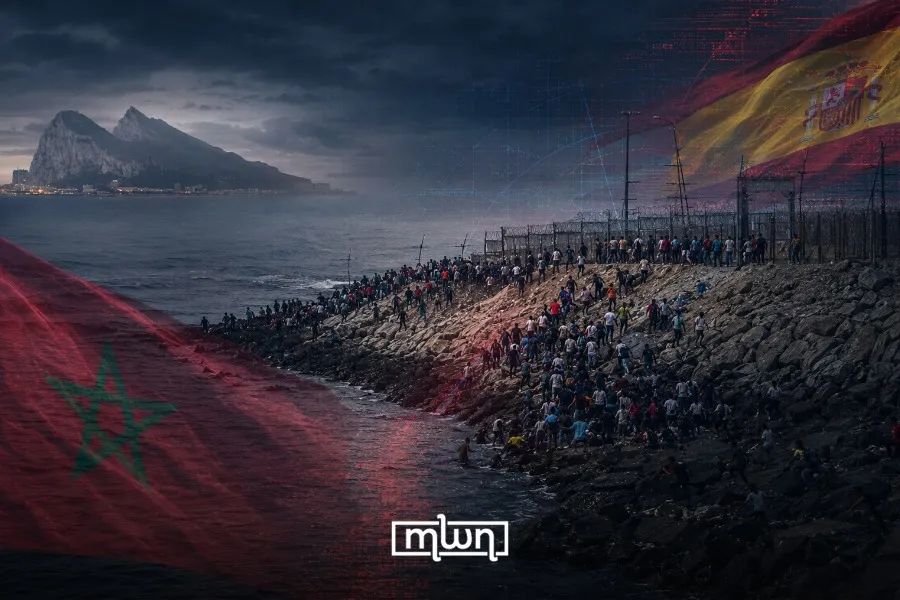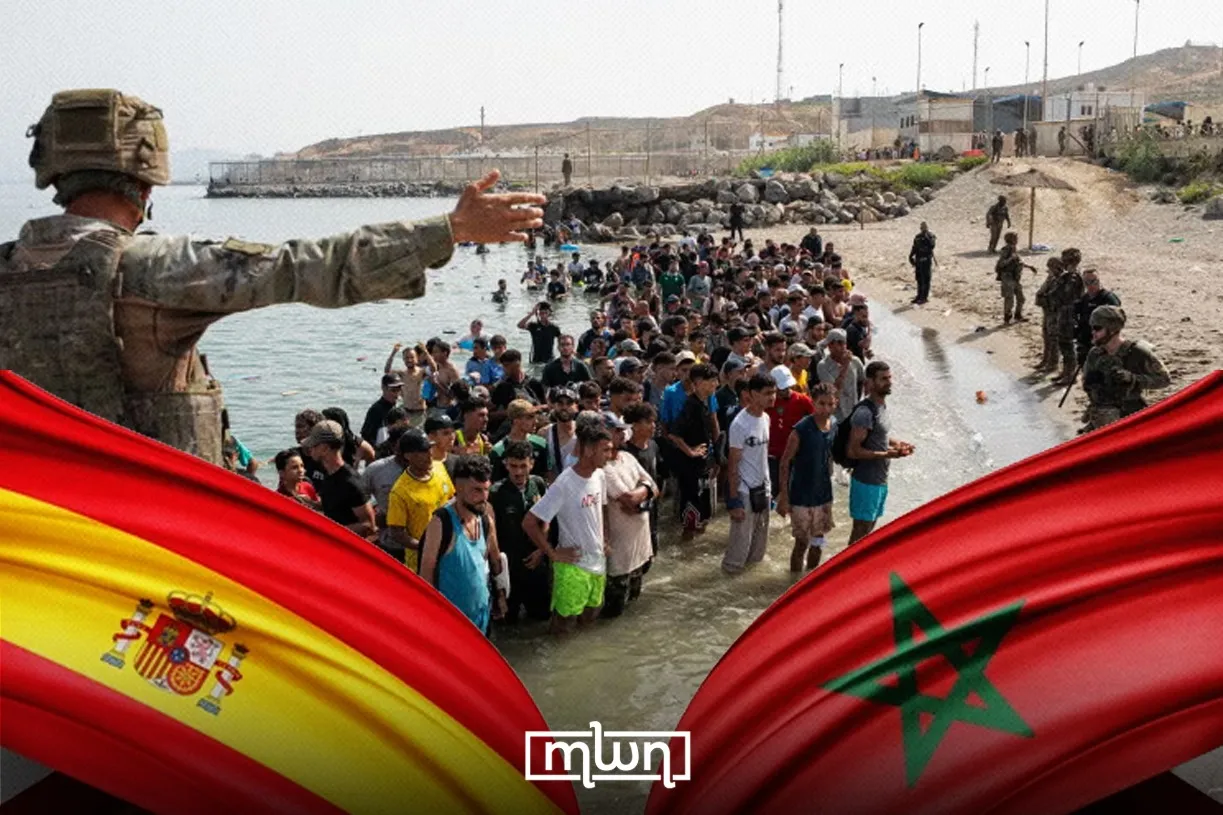

Marrakech – The Moroccan government has officially informed Spain that it is conducting an investigation into the mass and irregular entry of tens of thousands of individuals into the occupied city of Ceuta that occurred in late July, as reported by the EFE news agency. This significant announcement was traced back to Moroccan Foreign Minister Nasser Bourita, who communicated the details to his Spanish counterpart, José Manuel Albares, highlighting the ongoing diplomatic interactions between the two nations amid rising tensions regarding border control and migration.
As the situation unfolds, the Spanish government has consistently denied any allegations suggesting that Morocco orchestrated the large-scale crossing. Prime Minister Pedro Sánchez reiterated this position in a recent address to Congress, asserting, “I can assure you that no institution – not the diplomatic service, nor the European Commission, nor any international body – has provided the Spanish government with any solid proof that Morocco planned or carried out the incident. None whatsoever.” This statement reflects Spain's stance that without concrete evidence, it is unjust to place blame on Morocco.
During the discourse, Sánchez acknowledged a critical 10-hour period on July 30, when the number of arrivals peaked, during which Moroccan security forces seemingly permitted crossings. The ambiguity surrounding whether this was an instance of inaction or an inability to manage the influx of migrants remains a topic of debate. A police report commissioned by a High Court judge described the entry of over 70,000 individuals not as spontaneous migration but rather as a strategic operation designed to overwhelm border controls, raising questions about the nature of this mass movement.
In response, Moroccan officials have firmly rejected the narrative of permissiveness, attributing the surge to factors such as trafficking networks, social media influence, and misinterpretation of legal rulings in Spain that may have created perceived loopholes for entry. Rachid El Khalfi, a spokesperson for the Interior Ministry, highlighted multiple intertwined factors, including online misinformation and trafficking gangs, while confirming that judicial inquiries have been initiated to investigate the circumstances surrounding the incident.
Morocco's position is clear: it will not act as a gatekeeper for Europe, a sentiment echoed by Bourita during a previous crisis regarding Ceuta in 2021. He emphasized that Morocco has no obligation to secure borders that are not its own, and that protecting its own borders is its primary responsibility. This standpoint illustrates the complex dynamics at play, as Morocco navigates its role in regional security and migration management while maintaining its sovereignty.
Furthermore, Sánchez revealed a previously undisclosed diplomatic action, stating that on August 21, Spain summoned the Moroccan ambassador, Karima Benyaich, over controversial comments made by Moroccan ministers concerning sovereignty over Ceuta and Melilla. However, it was later clarified that Benyaich was not in the country at the time, and the summons was addressed to the embassy's chargé d’affaires. This incident has drawn scrutiny and highlights the delicate nature of diplomatic relations between the two countries, particularly in light of historical tensions.
Looking ahead, Sánchez has also mentioned plans for a visit by King Felipe VI to both Ceuta and Melilla, marking the first royal visit to these cities since 2007. This potential visit has raised concerns among political analysts, including Moroccan author Samir Bennis, who warned that such a trip could provoke a backlash from Morocco, potentially jeopardizing years of diplomatic efforts to mend relations. Bennis pointed out the critical distinction between a government visit and a royal one, suggesting that the latter could be interpreted as a direct assertion of sovereignty, which might evoke strong reactions from Moroccan authorities.
In the context of this ongoing discourse, Bennis challenged the framing of the situation, questioning why Morocco's security forces are not afforded the same understanding as their Spanish counterparts, especially regarding the difficult circumstances they faced during the crisis. He recalled past incidents that have strained relations and emphasized the need for a balanced perspective that acknowledges the complexities of border security and migration issues.
As reported by moroccoworldnews.com.