
Understanding the Context of Morocco-Spain Relations
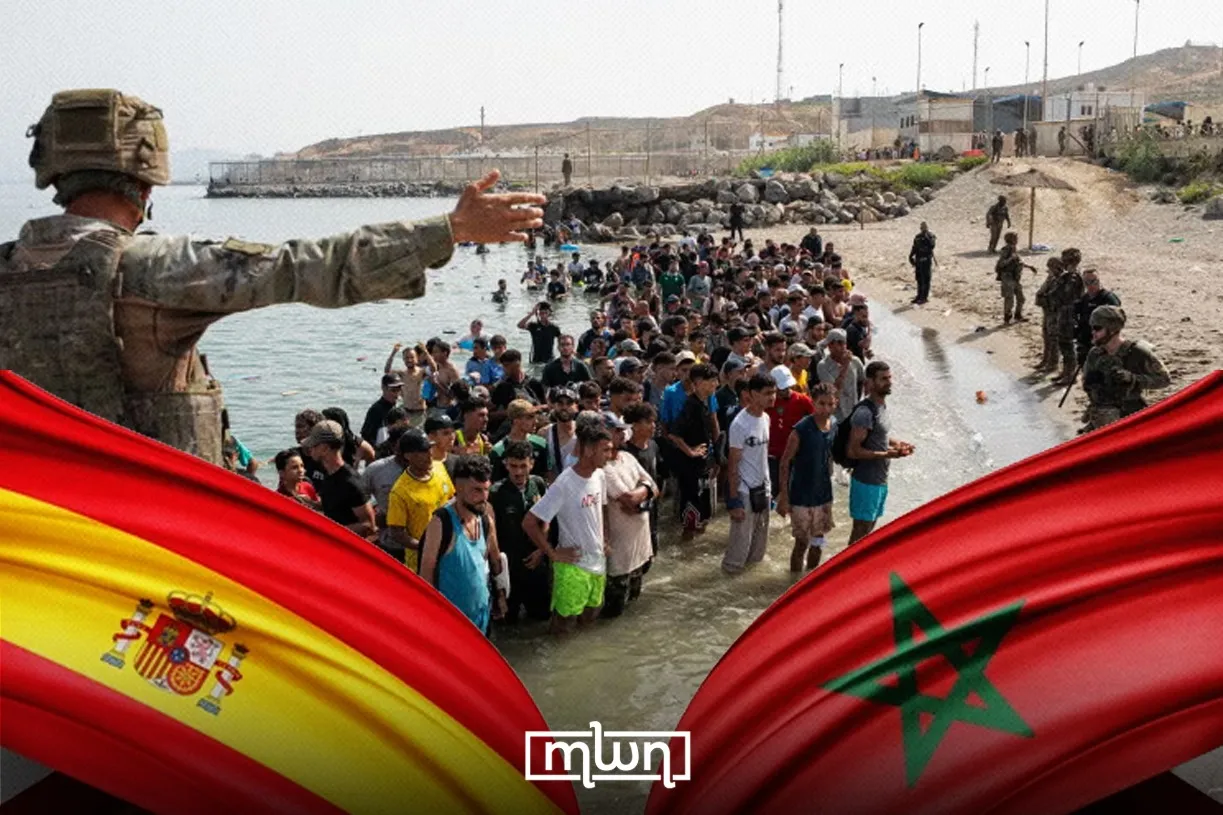
In the aftermath of the mass crossings that occurred on July 29 and 30, Spain has been engulfed in a flurry of speculative theories attempting to analyze the motivations behind these events. One of the earliest notions posited that Morocco had colluded with Israel and the United States to retaliate against Spain for its unfavorable stance towards these nations. However, this theory lacked substantial evidence and diverged significantly from the realities of Morocco’s diplomatic practices, leading to its gradual decline in popularity among analysts.
Subsequently, a more nuanced interpretation surfaced, suggesting that Morocco aimed to issue a political warning to the government of Pedro Sánchez in response to specific Spanish initiatives that were deemed unsatisfactory in Rabat. Spanish commentators pointed to Sánchez's visit to Algeria on July 21 as a potential trigger, speculating that secret communications between Madrid and Algiers may have prompted Morocco to leverage migration as a pressure tool against Spain. However, this perspective, too, faltered under scrutiny, as it failed to acknowledge Morocco's need to maintain a balanced relationship with Spain without undermining its own interests, particularly regarding economic ties with Algeria.
The Rise of the 'Hybrid War' Theory
In recent days, a new hypothesis has gained traction, suggesting that Morocco has initiated a form of 'hybrid war' against Spain with the ultimate goal of reclaiming the territories of Ceuta and Melilla, and potentially the Canary Islands. Proponents of this theory argue that the mobilization of thousands of irregular migrants during the late July events was merely a preliminary maneuver in a broader strategy aimed at destabilizing Ceuta and coercing its return to Moroccan sovereignty. This interpretation, however, is not grounded in rigorous empirical evidence.
Despite the lack of substantiation, some figures have eagerly adopted and amplified this theory without proper analytical rigor. Notably, Taleb Alisalem, a well-known Polisario activist and translator in Madrid, has emerged as a vocal proponent of this perspective, frequently appearing in Spanish media to promote a narrative that frames the migrant influx as a meticulously orchestrated operation by the Moroccan regime. His claims, while sensational, reflect a broader trend within Spanish media to embrace narratives that resonate with a deeply ingrained mistrust of Morocco.
This prevailing notion of 'hybrid warfare' has historical roots within Spanish discourse, often cited in discussions surrounding irregular migrant crossings as a strategic instrument of pressure employed by Morocco. However, the definition of hybrid warfare encompasses a comprehensive orchestration of diverse instruments of power, including cyber operations, disinformation campaigns, and the use of non-state actors, none of which have been convincingly demonstrated in the context of the recent migrant events. The leap from isolated incidents of migration to the assertion of a coordinated hybrid war lacks the necessary evidentiary support and risks oversimplifying complex geopolitical dynamics into a mere rhetorical device.
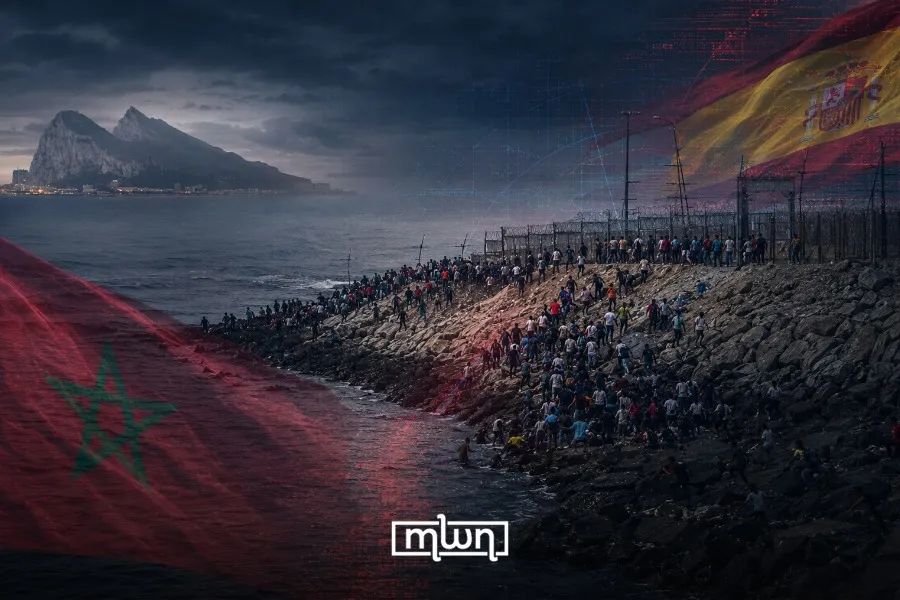
Furthermore, the historical context of Spain's own coercive policies towards Gibraltar highlights a significant double standard in the interpretation of actions taken by Morocco. Since the mid-20th century, Spain has utilized economic pressure and coercive measures against Gibraltar, yet similar actions by Morocco are labeled as aggressive expansionism without a critical examination of historical precedents. Such mirror imaging in the analysis of Morocco's foreign policy illustrates the deep-seated biases that continue to shape perceptions in Spain.
As reported by moroccoworldnews.com.