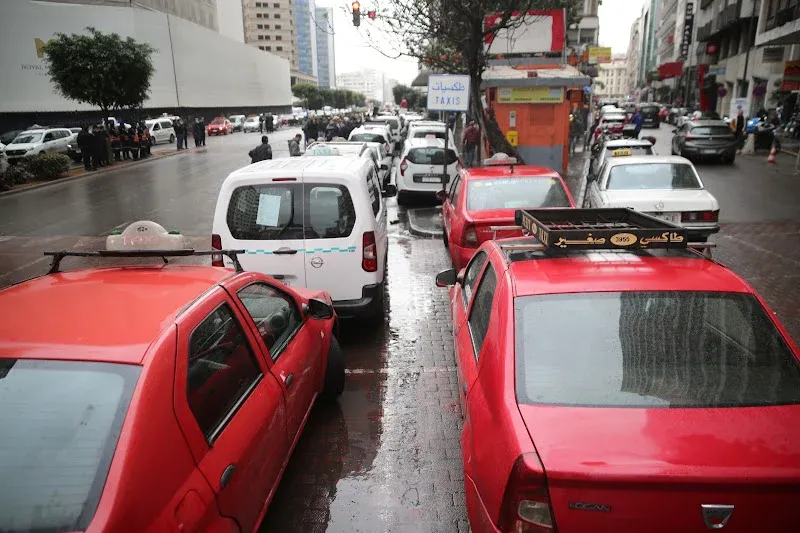
Morocco Introduces Unified Electronic Licenses for Taxi Drivers
In a significant move aimed at modernizing the transportation sector, Morocco's Ministry of Interior is set to launch a comprehensive national initiative to replace outdated taxi operating licenses with unified electronic licenses that will be valid for a period of five years. This initiative is part of a broader strategy to enhance the regulatory framework governing the taxi industry, ensuring that only professional drivers are permitted to operate taxis, while non-professional operators will be prohibited from renewing their contracts.
According to a written response from Interior Minister Abdelouafi Laftit to parliamentary member Hassan Nazahi from the Confederation of Democratic Labour, the new regulations will limit taxi operations exclusively to licensed professionals. In addition, each individual will be entitled to only one license. This significant shift aims to establish local registers that will help monitor drivers and facilitate contracts with license holders, while also intensifying security oversight to enforce legal fare standards and quality criteria.
Mustapha Kihal, the Secretary General of the Moroccan Democratic Transport Union, highlighted the necessity for political courage from the government, particularly from the Ministry of Interior, to move decisively away from the 'rent-seeking' system associated with existing licenses that hinder the transport sector's growth. He emphasized that current measures merely serve as temporary fixes and do not address the profound reforms needed in the industry. Kihal called for a clear vision to eliminate the ambiguity faced by professionals, stressing the importance of activating existing laws, particularly previous circulars, as a genuine way to regulate operational conditions.
Mohamed Harakani, the regional secretary of the General Union of Moroccan Workers for small taxis in Marrakech, pointed out that Morocco's transport sector has historically relied on a royal decree from 1963 that governs the three basic types of taxi services. He noted that the advent of modern technology, particularly smart applications, has led to distortions in the market, allowing individuals unrelated to the profession to engage in illegal transport services. This situation has led to intense conflicts between licensed professionals and these outsiders, who operate without legal obligations or compliance with regulatory frameworks.
Harakani further underscored that this illegal influx has become a burden on the sector, especially given the lack of oversight over these applications. He warned that licensed professionals face an uneven playing field against individuals operating outside the legal system, which threatens the stability of the professional environment within the taxi industry.
In light of these developments, the Ministry of Interior has decided to undertake a comprehensive study of the current state of the transport sector, particularly in anticipation of major international events such as the 2030 World Cup. This study aims to move beyond a narrow perspective on transport management by involving all stakeholders to ensure modernization and qualification of the sector. The initiative also includes gathering feedback from professionals in both traditional and modern taxi services, as well as soliciting opinions from citizens, who are deemed the most crucial link in the transport ecosystem. The goal is to better understand current challenges and to outline a sustainable future for transportation in Morocco, balancing technological advancement with professional rights.
As reported by hespress.com.