
Morocco is gearing up for a substantial enhancement of its hospitality sector, aiming to add 60,000 hotel beds, which represents nearly one-fifth of its current capacity, by the time it co-hosts the FIFA World Cup in 2030. This ambitious initiative was announced by the country's Minister of Tourism, Fatim-Zahra Ammor, who emphasized the importance of leveraging the global attention gained from Morocco's impressive performance in the recent World Cup, where it reached the quarter-finals. This marked a historic achievement for the nation, as it became the first African and Arab team to reach the semi-finals in Qatar four years ago.
The Moroccan authorities are keen to transform this renewed interest into sustainable benefits for the tourism industry, which plays a crucial role in the economy, employing hundreds of thousands of citizens and contributing approximately 7% to the national GDP. Minister Ammor articulated the government’s vision by stating, "We see the FIFA World Cup 2030 as an accelerator, not an end in itself." This perspective highlights the commitment to not only prepare for the tournament but also to enhance the overall tourism infrastructure and experience in Morocco.
To support this growth, the government has allocated over 190 billion dirhams (approximately 20 billion dollars) for the development and expansion of essential infrastructure, including railways, roads, airports, stadiums, and various urban facilities, all before the anticipated tournament. Morocco is set to be one of the three primary co-hosts, alongside Portugal and Spain, although the exact distribution of matches among these countries has yet to be determined.
In recent years, Morocco has already made strides in expanding its hospitality offerings, having added 45,000 hotel beds over the past four years, bringing the total to just over 300,000. The North African nation welcomed nearly 20 million tourists last year, making it the most visited destination in Africa, with aspirations to attract 26 million visitors by 2030. The Central Bank of Morocco projects tourism revenues to reach a record 161 billion dirhams by 2027, up from 138 billion dirhams in 2025, buoyed by increased air routes from Europe.
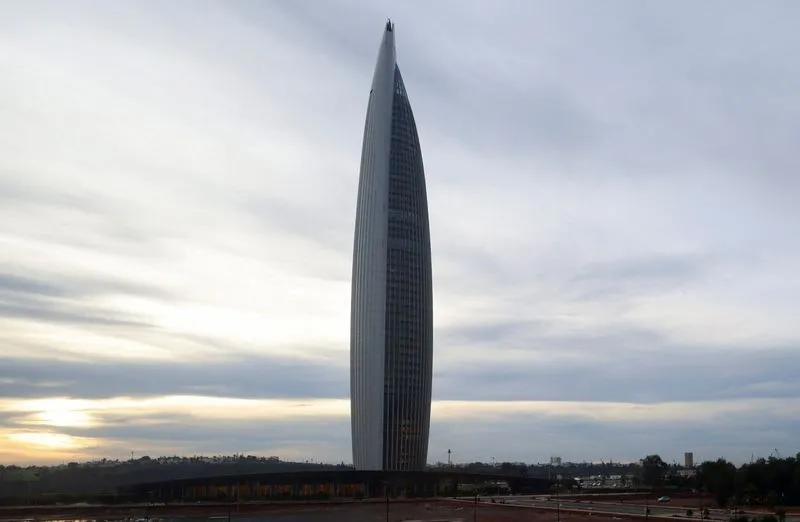
The next phase of growth is poised to focus on enhancing arrivals from markets such as China, the United States, and the Middle East through improved air connectivity. Additionally, Morocco is aiming to diversify its tourism offerings beyond its traditional hotspots like Marrakech and Agadir. A significant part of this strategy involves transforming the capital city, Rabat, known for its historic monuments, museums, and sports facilities, into a hub for cultural events, sports activities, and business travel, as highlighted by Minister Ammor. She reiterated the need for investments that create lasting value for Moroccan tourism.
As reported by es-us.finanzas.yahoo.com.