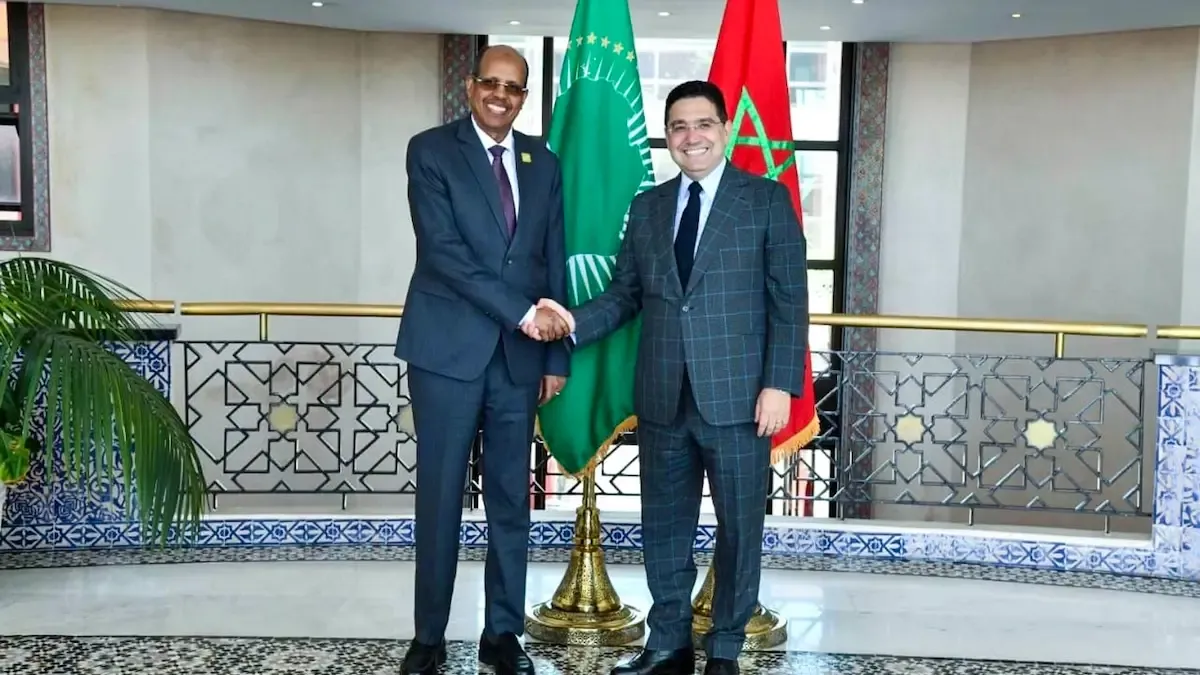

Morocco's Expanding Role in the African Union
Morocco has recently been awarded nine high-level positions within the institutions of the African Union (AU), making it a leading figure in the distribution of leadership roles allocated to North African states. This development significantly bolsters Morocco's increasing influence within the continent's primary political organization. These appointments represent a crucial milestone in Rabat's efforts to enhance its role within the African Union since its reintegration into the bloc in 2017, showcasing the growing trust that African nations have in Morocco's diplomatic, economic, and institutional commitments across the continent.
As the foremost beneficiary of the negotiated positions within the North African regional group, Morocco has been entrusted with responsibilities across various strategic bodies tasked with governance, institutional reform, migration, legal affairs, economic development, and environmental policy. Notably, Morocco has been appointed as the vice-president of the ministerial committee responsible for coordinating African nominations within international organizations, a role that grants Rabat greater influence in shaping Africa's representation on the global stage.
Key Appointments and Their Impact
Furthermore, Morocco has secured the vice-presidency of the office overseeing the contributions of member states and the calculation of quotas, placing it at the center of discussions concerning the financial management and functioning of the African Union. Additionally, Morocco has reinforced its presence within the AU's specialized technical structures by joining the committee responsible for justice and legal affairs, as well as the committee focused on economic development, tourism, trade, industry, and mineral resources. These bodies play a vital role in forming continental policies and strategies in key sectors.
Within the Committee of Permanent Representatives (COREP), Morocco has been appointed vice-president of the sub-committee on institutional reforms while also chairing the sub-committee on environmental affairs. Moreover, Rabat has secured a position within the sub-committee on human rights, democracy, and governance. Another indicator of the growing confidence among African nations in Morocco’s migration approach is its selection to sit on the board of the Continental Centre for Migration, where Moroccan experts will directly contribute to its work.
Migration has become one of the most visible areas of engagement for Morocco within the African Union, with African leaders recognizing King Mohammed VI's role in promoting a migration strategy based on solidarity, shared responsibility, and development-oriented solutions, rather than purely security-based approaches. These recent appointments come at a time when Morocco continues to deepen its involvement in major continental initiatives, including the implementation of the African Continental Free Trade Area, regional connectivity projects, and development programs aimed at enhancing economic integration and investment throughout Africa.
Observers note that these advancements reflect years of sustained diplomatic efforts by Rabat, which has broadened its economic and political partnerships across the continent while positioning itself as a reliable partner in areas ranging from investment and infrastructure to food security, energy cooperation, and religious diplomacy. These appointments also align with the momentum generated during recent African Union summits, where institutional reform, financing mechanisms, economic integration, governance, and sustainable development have remained central to the organization’s agenda.
For Morocco, these nine new positions represent far more than a mere symbolic presence. They situate the kingdom within several of the most influential decision-making and policy-setting bodies of the AU, allowing it to play a more direct role in defining the priorities and future direction of the organization. This outcome underscores how Morocco's return to the African Union, less than a decade ago, has evolved into a broader strategy of institutional influence, positioning Rabat increasingly as one of the continent's key diplomatic and economic players and as a bridge between Africa and its international partners.
As reported by atalayar.com.