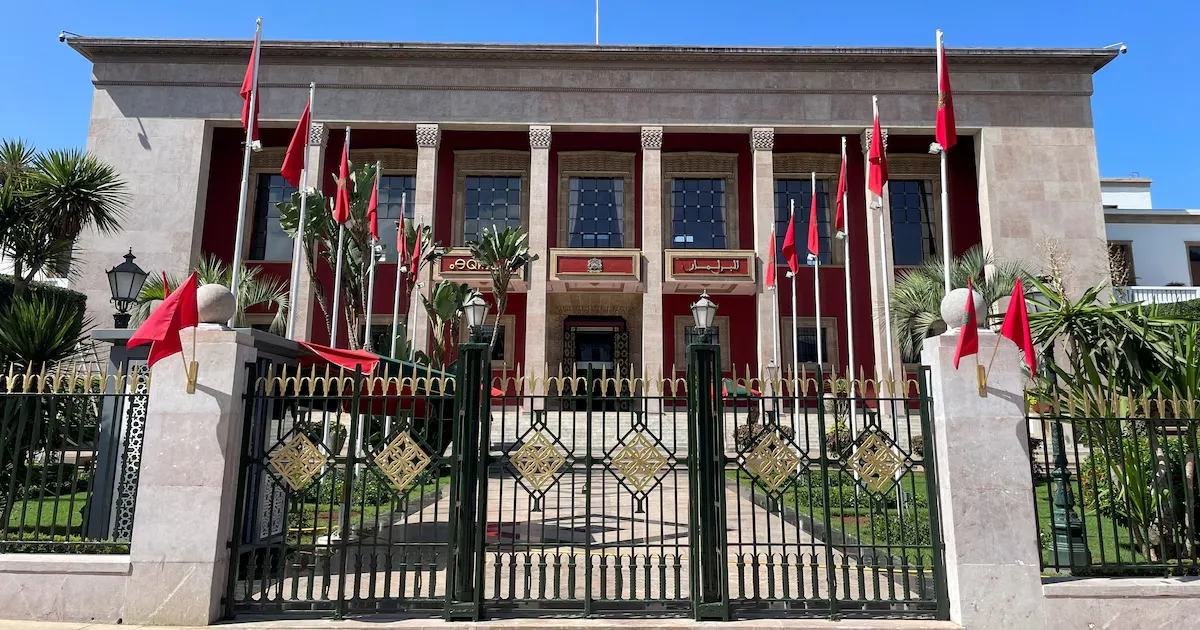

As Morocco gears up for its 2026 legislative elections, a significant period of electoral activity is unfolding, marked by careful preparations and strategic maneuvering among various political parties. With 395 parliamentary seats up for grabs, the electoral landscape is poised for intense negotiations, as no party is expected to secure an outright majority. To govern effectively, a coalition of at least 198 seats is essential, making the post-election negotiations crucial for the formation of a new government.
This election cycle has seen the three major political parties—the National Rally of Independents (RNI), the Authenticity and Modernity Party (PAM), and the Istiqlal Party—campaigning on their separate merits while simultaneously defending a shared governance record. Each party is attempting to differentiate itself from the others, distancing from the aspects of their coalition governance that may not resonate well with voters. As the polls open, the focus shifts from mere voting to the critical coalition discussions that will follow, highlighting the importance of political alliances in Moroccan governance.
Voter turnout is expected to play a pivotal role in determining the influence of various constituencies, particularly given that seat allocation is based on registered voters rather than the number of individuals who physically cast their ballots. This means that even low-turnout regions retain significant political weight, which complicates predictions based solely on turnout figures. Moreover, the demographic profile of voters shows an aging electorate, with citizens aged 60 and above outnumbering younger voters by over seven to one, potentially shaping electoral outcomes in favor of parties that appeal to older constituents.
As of the latest updates, the voting process commenced smoothly at 8 a.m. across the nation, with early reports indicating a turnout of 4.23% by 10 a.m. While this figure is still preliminary and should not be seen as a trend, it marks a critical starting point for comparison with previous years. Political figures from various parties have urged supporters to turn out in greater numbers, recognizing that voter participation is key to the legitimacy of the electoral process, especially considering that the previous election saw a turnout of about 50%.
In the final hours leading up to the elections, the air was filled with anticipation as the campaign period came to a close at midnight on Tuesday, ushering in a mandatory silence phase to ensure a fair voting environment. As polling stations operated from 8 a.m. to 7 p.m. and with approximately 15.8 million registered voters, the initial turnout figure will be closely monitored as it sets the tone for the overall electoral engagement.
The concluding stages of the campaign have largely revolved around criticisms of the incumbent government's performance, with each party articulating its vision for Morocco's future. The RNI has emphasized its achievements in health, education, and social welfare, while PAM has focused on economic issues, particularly the significant 280 billion dirhams mobilized for purchasing power support. This figure has become a focal point of debate, with opposition parties questioning the effectiveness of the measures taken. Meanwhile, Istiqlal has framed its campaign around the necessity for structural changes in key areas such as wage growth, housing availability, and reducing reliance on imports for essential goods.
As reported by en.hespress.com.