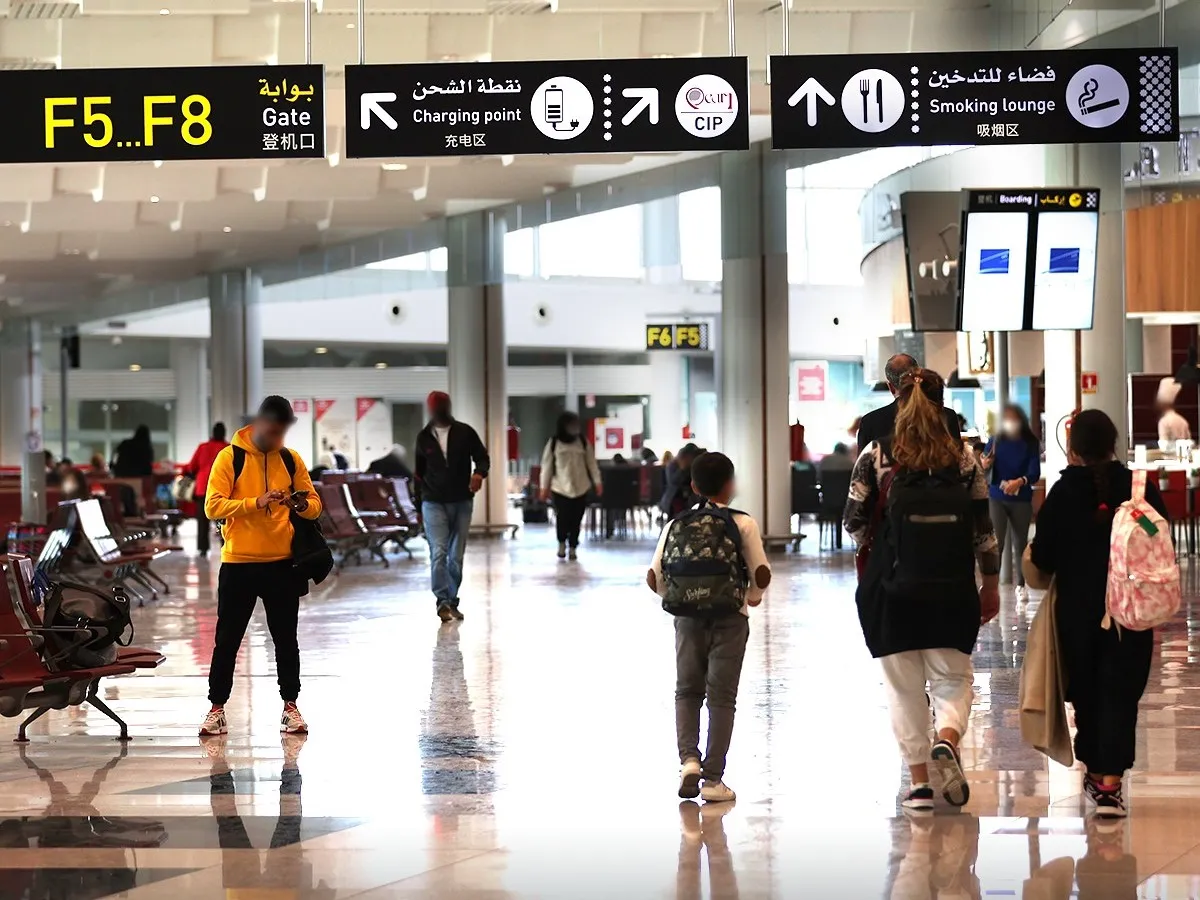

Record Passenger Traffic and Future Prospects for Moroccan Airports
In 2025, Morocco's airports achieved a historic milestone by welcoming 36.3 million passengers, a significant increase of 11% from the previous year's 32.7 million travelers. This remarkable growth has been highlighted by the National Airports Office (ONDA), which emphasizes that these figures surpass all forecasts and place Morocco on a trajectory of solid and sustainable growth. The surge in passenger traffic can be attributed primarily to international travel, which constitutes the bulk of airport activity, as well as a strong performance in domestic routes. ONDA asserts that these results reflect the actual impact of the Airport Strategy 2030 and the substantial investments made in expanding and modernizing airport infrastructures.
Key Airports: Casablanca, Marrakech, and Rabat
Casablanca remains the leading aviation hub in Morocco, surpassing the 11 million passenger mark for the first time in 2025. The ONDA underscores the critical role of Mohammed V Airport as a vital continental and international connecting platform. Similarly, Marrakech achieved a symbolic milestone by exceeding 10 million annual travelers, solidifying its status as a major tourist entry point into the Kingdom. Additionally, Rabat-Salé Airport experienced a remarkable 26% growth, crossing the 2 million passenger threshold, driven by the diversification of services and an increase in diplomatic and institutional traffic.
The year was also notable for Morocco hosting the Africa Cup of Nations (CAN), which significantly boosted passenger numbers due to the influx of supporters, delegations, and media personnel. This "CAN effect" complemented the ongoing recovery in tourism and the expansion of direct flight connections by both traditional and low-cost airlines. Many regional airports benefited from these dynamics, with enhanced international services and better territorial connectivity. ONDA states that these achievements confirm Morocco's rising status as a regional air hub and a major international destination.
Financially, ONDA reported a revenue of 5.8 billion dirhams (approximately 542 million euros) in 2025, marking an increase of about 9%. The net income reached around 1.3 billion dirhams, reflecting a 16% rise, which underscores the Office's robust performance and its capacity to continue strategic investments. These financial resources are essential for accommodating the increasing traffic and preparing for major international events, including the 2030 World Cup co-hosted by Morocco, Spain, and Portugal. ONDA is committed to ensuring a sustainable growth trajectory moving forward.
Looking ahead to 2030, ONDA has approved its action plan for 2026-2028, which aligns with the Airport Strategy 2030. This initiative entails the expansion and modernization of several airport facilities, including those in Casablanca, Marrakech, Agadir, Rabat, Tangier, and Dakhla. The primary aim is to enhance capacity, improve service quality, and boost the competitiveness of Moroccan airports against other regional hubs. "With historical records and accelerated major projects leading up to 2030, ONDA is poised to continue its upward trajectory in passenger traffic in the coming years," summarizes the public airport manager.
As reported by air-journal.fr.