
New Milestones Achieved by Moroccan Airports
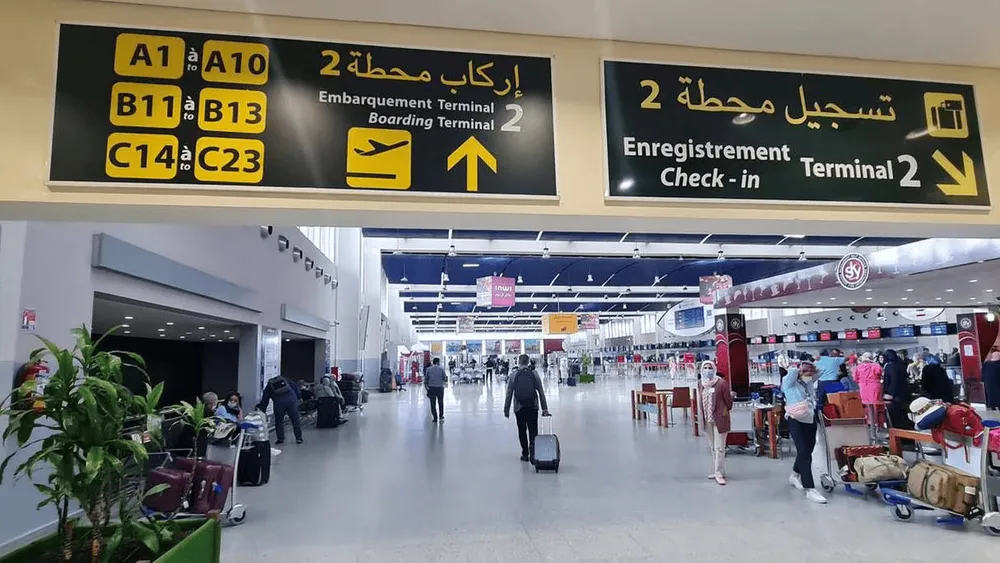
The summer of 2026 marks a transformative period for the aviation sector in Morocco, as the nation's airports achieved unprecedented passenger traffic, showcasing the robust growth trajectory that has become a hallmark of the industry. Over the first weekend of August, the Mohammed V Airport in Casablanca welcomed a staggering 46,439 passengers in a single day, a record that underscores the airport's pivotal role as the primary hub for air travel in the country. This remarkable performance is not an isolated event; it reflects a broader trend of increased air traffic across the Moroccan airport network.
Marrakech Menara Airport also made headlines by surpassing the milestone of 30,000 travelers in one day for the first time in its history. Other airports such as Tanger Ibn Battouta reported 13,309 passengers, Agadir Al Massira welcomed 11,973, and Rabat-Salé served 9,226 passengers. The most significant increases, however, were observed in Dakhla and Tétouan, which experienced remarkable growth rates of 45.2% and 36.14% respectively compared to previous seasons. These statistics are not mere coincidences; they are indicative of a strategic shift in Morocco's approach to enhancing its appeal as a prime travel destination.
Strategic Developments and Future Prospects
Following the historic achievement of serving over 36.3 million passengers in 2025, the Moroccan aviation sector is on an upward trajectory that shows no signs of slowing down. The increasing allure of Morocco, bolstered by its diverse tourism offerings and rich cultural heritage, is complemented by a significant enhancement in international connectivity. This advancement is facilitated through the introduction of new flight routes, the arrival of international airline partnerships, and the expansion of operating hours at airports, effectively transforming them into vital gateways for a country that is fast becoming an essential travel hub.
To sustain this growth, Airports of Morocco is committed to modernizing infrastructure, accelerating digital transformation, and improving passenger flow efficiency. The strategic initiative, dubbed "Airports 2030," aims to expand capacity, enhance service quality, and prepare the airport network for future demands. This ambitious plan is underpinned by the remarkable logistical and human resources mobilization that occurs during peak travel periods. Stakeholders including Airports of Morocco, the Mohammed V Foundation for Solidarity, the General Directorate of National Security, Customs and Indirect Tax Administration, the Royal Gendarmerie, and Royal Air Maroc work collaboratively to manage the summer influx of travelers, demonstrating the Kingdom's ability to manage extraordinary circumstances with standard resources.
For officials at Airports of Morocco, the goal extends beyond merely achieving record numbers; it is about leveraging airport performance as a crucial factor in enhancing Morocco's international attractiveness. The ongoing transformation is set to solidify the Kingdom's status as a key regional hub capable of competing with the largest airports around the Mediterranean region.
As reported by maroc-hebdo.com.