
Transforming Morocco for the World Cup and Beyond
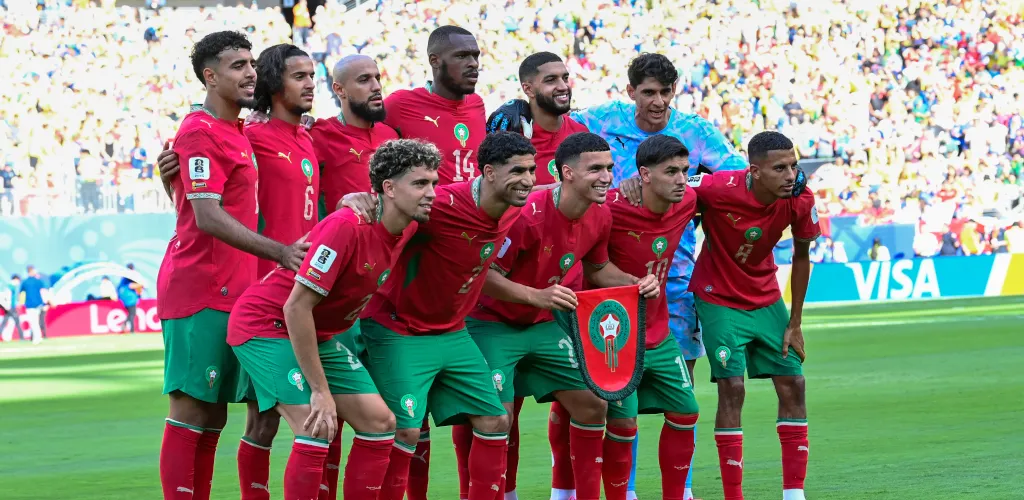
In a groundbreaking initiative, Morocco is constructing what is poised to be the largest football stadium globally, the Grand Stade Hassan II, located on a sprawling 150-hectare site just outside Casablanca. Designed to accommodate a staggering 115,000 spectators, this monumental structure symbolizes Morocco's commitment to hosting the 2030 FIFA World Cup, an event it will co-host alongside Spain and Portugal. This is not just a football tournament; it is an opportunity for Morocco to showcase its capabilities on an international stage and to solidify its reputation as a leading economy in Africa.
Hamza Lahmamssi, the head of strategy and development at DSV TRO, a joint venture involving DSV and ALF Holding, emphasizes the uniqueness of this project, noting, "We have never had this concentration of projects in the country at the same time." The scale of investment is projected to be between $34 billion and $40 billion, encompassing around 35 cities, making it one of the most ambitious infrastructure programs in Morocco's history, according to Hatim Jaadour, sales and marketing director at Eurogrues Maroc.
The infrastructure developments extend beyond the stadium. Key projects include the renovation and expansion of existing stadiums in cities like Tangier, Rabat, Marrakech, Agadir, and Fez. Additionally, Morocco is set to enhance its high-speed rail line from Kenitra to Marrakech, with an investment of approximately $9.6 billion, and significantly upgrade its airport facilities to nearly double passenger capacity while also investing in port upgrades valued at around $7.5 billion. These developments aim to not only host the World Cup but also to provide a lasting legacy of improved transportation and logistics across the nation.
Water Security and Renewable Energy Initiatives
Beyond the sports infrastructure, Morocco is also prioritizing water security, launching an extensive program that focuses on constructing large seawater desalination plants along its coastlines. The national program aims to have over 20 facilities operational by 2030, producing 1.7 billion cubic meters of water annually. This initiative is paramount given the increasing demand for water in the region and will complement the country’s efforts to boost its renewable energy capacity, with a target of generating over 52% of its energy from renewable sources by 2030.
As the country gears up for the World Cup, the logistics sector is experiencing a surge in demand for heavy-lift and out-of-gauge cargo, as noted by El Mehdi Mohamed Kacimi, head of ocean freight at DHL Global Forwarding Morocco. He highlights the complexity of transporting oversized components necessary for the construction and renewable energy projects. The logistics community is adapting to these changes, with local specialists becoming increasingly involved in project planning to ensure timely execution.
Morocco’s ambitious infrastructure plans and the associated logistical challenges underscore the importance of early planning and collaboration among stakeholders. As the nation prepares for the World Cup, it is also laying the groundwork for future economic growth and infrastructure sustainability. The potential for Morocco to become a key logistics hub in West Africa is contingent upon continued investment in skills, equipment, and streamlined customs processes. As Rafael Vicens of Maersk Project Logistics aptly puts it, "The 2030 World Cup is a milestone, not a destination." The ongoing developments are set to position Morocco as a reference point for industry and logistics between Europe and Africa.
As reported by breakbulk.com.