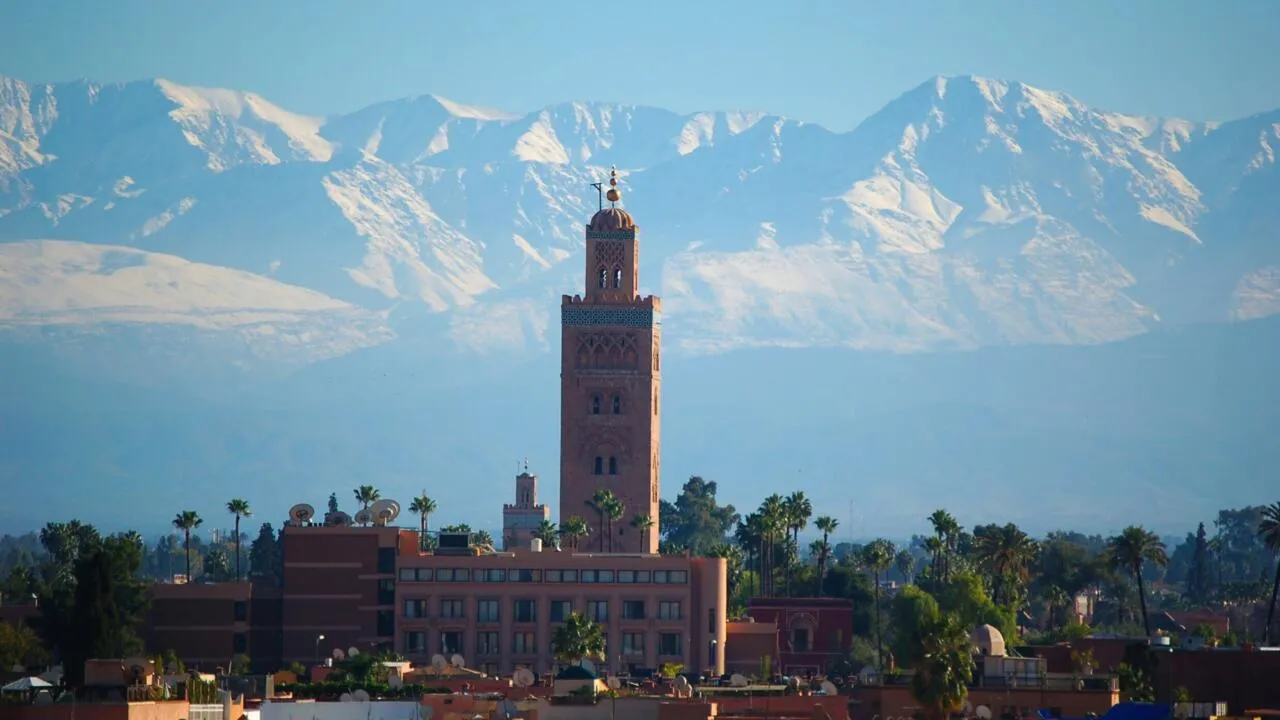

With an ambitious target of welcoming 26 million visitors by the year 2030, coinciding with the FIFA World Cup co-hosted by Spain and Portugal, Morocco is setting its sights on becoming a leading tourist destination globally. Each year, the kingdom attracts nearly three million additional visitors, indicating a robust growth trajectory in its tourism sector.
Despite the ongoing geopolitical crises, Morocco's allure continues to shine through. Interestingly, airfare to Morocco has seen a decrease, even as fuel prices have surged. However, in the first half of 2026, the growth rate of incoming visitors experienced a modest slowdown, shifting from double-digit to single-digit growth. Nonetheless, tourism revenue surged by an impressive 15%. Achraf Fayda, the Director General of the Moroccan National Tourist Office (ONMT), expressed satisfaction with this momentum, stating, "Despite the global geopolitical context that has slightly decelerated our growth, we are pleased to maintain a steady increase while knowing that revenues are growing at double-digit rates, which reassures us about our ability to attract visitors in a relatively fragile and challenging environment."
Vanguelis Panayotis, President of the MKG consulting firm specializing in tourism and hospitality, attributes this performance to a long-term strategic plan supported by significant investments leading up to the 2030 World Cup. He noted, "This investment provides a boost. We see many developments in health and transportation, such as the high-speed train connecting Marrakech to Casablanca and Rabat. These structural elements enable us to market a broader tourist destination rather than just focusing on one or two key locations like Marrakech, allowing for economic growth and tourism opportunities throughout the entire region."
However, a concerning development has emerged: the events in Ceuta at the end of July, where tens of thousands of migrants attempted to enter the Spanish enclave illegally from Morocco, resulting in a diplomatic crisis between Rabat and Madrid. This situation has led to a noticeable decline in autumn bookings from Spanish tourists, as noted by Panayotis, who remarked, "The Spanish clientele was among those showing the strongest increases. Now, we are observing a halt due to this situation. If it does not persist and things normalize, we are confident that in a year, this will be behind everyone."
While the ONMT has not confirmed this decline in Spanish bookings, it is focusing on diversifying its markets and destinations. Fayda explained, "Almost 70% of our revenue is concentrated in three destinations, so we aim to highlight twelve regions and ten experiences by 2030." A recent example of this strategy is Dakhla in Western Sahara, which has become a popular destination for French kitesurfers since a direct flight was established there a year ago.
As reported by rfi.fr.