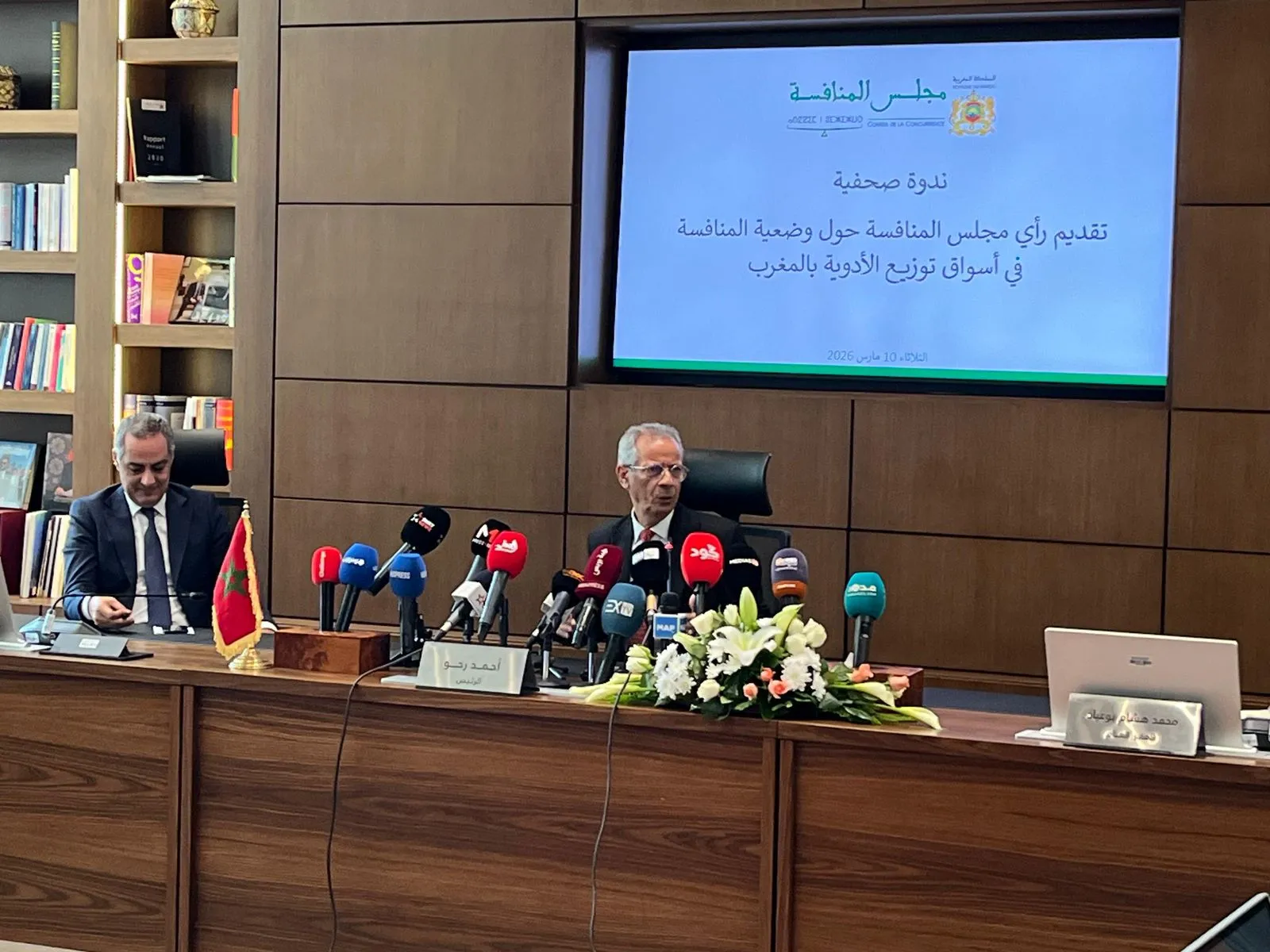

Insufficient Pharmaceutical Services in Morocco
The President of the Competition Council, Ahmed Raho, has expressed concerns regarding the level of service that Moroccan citizens receive in the pharmaceutical distribution sector, stating that it falls short of expectations relative to the costs borne by citizens to finance this system. During a conference held on March 10, 2026, where the council's opinion on the state of the pharmaceutical market in Morocco was presented, Raho emphasized that citizens are paying for this system through their purchases, taxes, and contributions to the National Social Security Fund.
Raho pointed out that the pharmaceutical market in Morocco generates approximately 25 billion dirhams in revenue, with 13 billion dirhams circulating through pharmacies. He elaborated that the distribution chain accounts for about 60 percent of this total, translating to 7 to 8 billion dirhams paid out of citizens' pockets. This raises questions about the value citizens receive in return for these significant expenditures.
Concerns About Accessibility and Service Quality
According to Raho, the expected return on these expenses is a widespread network of pharmacies throughout various regions of Morocco. While he acknowledged this as a positive aspect, particularly in larger cities, he insisted that the overall service remains limited. He pointed out that while citizens may find a pharmacy nearby to purchase medication, they often discover that it is not operational throughout the day.
This situation starkly contrasts with practices in several European countries, where pharmacies typically operate from 7 AM to 8 PM, with organized shifts ensuring that medications are readily available. Raho remarked, "This raises questions for us, as the service that citizens expect in exchange for the substantial costs they incur, both directly and indirectly, is inadequate." He highlighted the necessity for the presence of pharmacists in pharmacies, stressing the importance of their availability during business hours to ensure that citizens can access the medications they need.
As reported by thevoice.ma.