The Political Landscape in Morocco
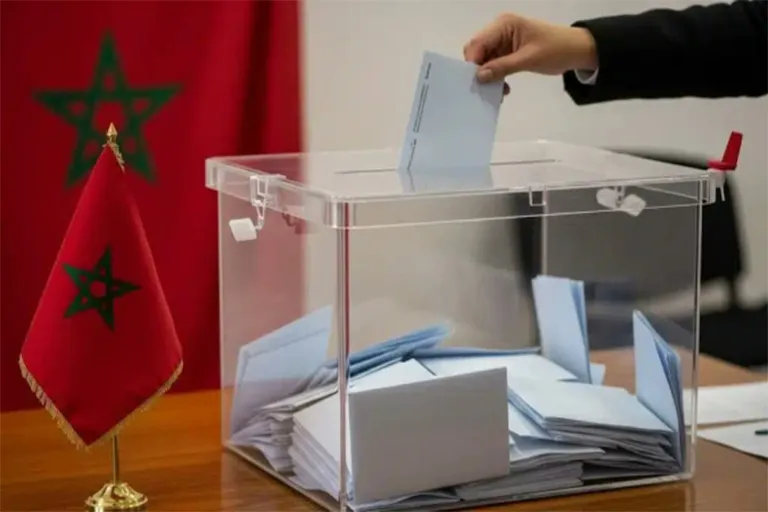
On September 23, Morocco will hold elections, yet the question remains: what is truly at stake in a nation where the monarch retains substantial power? Over recent years, social discontent has surged, particularly among the youth, who feel increasingly marginalized. Key issues, such as the monarchy's role, the Western Sahara conflict, and various religious matters, remain largely unaddressed in public discourse, revealing an underlying tension that many feel is ignored by the political elite.
Numerous press freedom organizations have long highlighted the considerable pressures journalists face in Morocco, including legal actions and campaigns targeting those who dare to criticize the government. Such an environment fosters a climate of fear, making it difficult for independent media to operate freely and report on crucial issues that affect the populace.
Public Sentiment and the Future of Democracy
The upcoming elections are often perceived as a mere façade, masking a reality where genuine power lies firmly with the monarchy and its associated structures. Critics argue that changing governments, parties, and personnel does little to alter the fundamental dynamics of power, which remain concentrated within the royal family. As such, discussions surrounding true democracy in Morocco are often met with skepticism.
Many citizens express a desire for meaningful change, with younger generations particularly vocal about their aspirations for a parliamentary monarchy that limits the king's powers. They call for a political system that is more reflective of the people's will, as opposed to one that merely serves as a ceremonial exercise. The sentiment is clear: without significant reform and a shift in the monarchy's authority, many citizens will remain disillusioned and disengaged from the electoral process.
As reported by instagram.com.