
Morocco is swiftly bolstering its air defense capabilities in the northern region of the country, a move that involves the deployment of radars, artillery, and anti-aircraft systems, potentially creating a protective "bubble" that, according to a Spanish military source, could extend its coverage to the southern parts of Spain. This strategic enhancement signifies Morocco's intent to strengthen its defenses against both Spain and Algeria, as it reallocates military resources previously stationed in other regions of the nation.
The Royal Armed Forces of Morocco are reportedly shifting military assets northward, including the establishment of new radar stations, anti-aircraft systems, and artillery bases. An active Spanish military official, as cited by El Español, highlighted that Morocco is transferring advanced weaponry to the northern regions, which were not previously available there.
This military enhancement coincides with Morocco's ongoing construction of a military base on Mount Gourougou, situated near Melilla, which is expected to accommodate resources dedicated to aerial and maritime surveillance. Reports also indicate that the base will feature installations for drones and missile operations, further amplifying Morocco's military capabilities.
Expanding Coverage into Spanish Territory
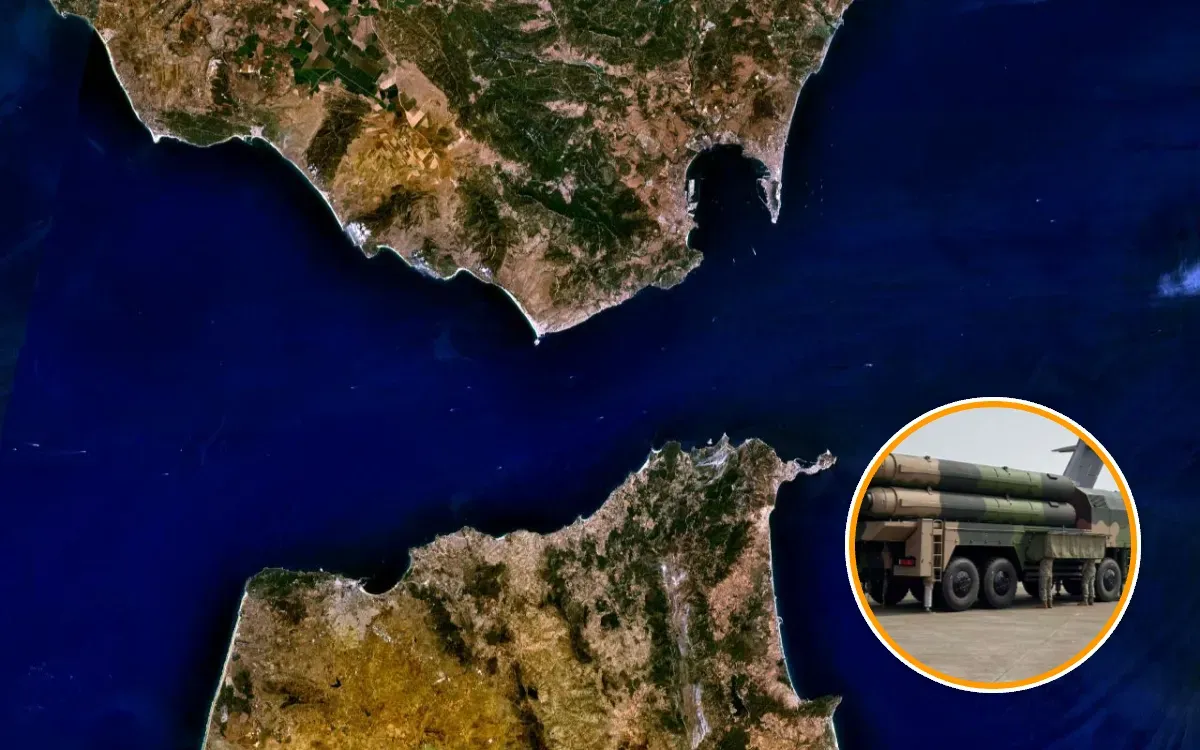
The most striking aspect of this new military initiative is the potential reach of its air defense systems. According to the military source cited by El Español, the newly acquired anti-aircraft missiles could theoretically create a protective "bubble" that reaches into Spanish territory. The source speculated that new Chinese rocket launchers positioned in northern Morocco could cover parts of the Iberian Peninsula, raising concerns about regional security.
Specifically, the source referenced the Chinese HQ-19 missile system, suggesting that such technology could target aircraft in the Malaga area. However, it is essential to note that there has been no official confirmation from Moroccan or Chinese authorities regarding the deployment of the HQ-19 within the Royal Armed Forces. Nonetheless, the existence of this system is acknowledged in the U.S. military's ODIN database, which describes the HQ-19 as a mobile interceptor designed to neutralize medium-range ballistic missiles, hypersonic gliders, and high-altitude targets, although its potential deployment in Morocco remains speculative.
Morocco currently maintains multiple layers of air defense and is actively modernizing these systems. The recent deployment of the Israeli Spyder system in Morocco has been confirmed this year, alongside previously acquired Chinese defense systems. The enhancement of air defense in the northern regions is occurring against a backdrop of increased military cooperation with the United States. In April, Morocco and the U.S. signed a new military roadmap covering the years 2026 to 2036, with U.S. military resources indicating a deepening collaboration between the Royal Armed Forces and American forces, particularly in advanced technologies and multi-domain training.
El Español further reports that the U.S. intends to assist Morocco in strengthening its surveillance capabilities over the Strait of Gibraltar by providing ships, radars, and drones. Together with the development of new military bases and the enhancement of air defense in the north, these efforts are expected to gradually alter the military balance around the strait and the cities of Ceuta and Melilla.
As reported by bladi.net.