
The recent legislative elections in Morocco, conducted on September 23, present an outwardly pluralistic depiction of governance within the Chamber of Representatives. However, the underlying reality reveals a concerning lack of democratic representativeness, primarily due to the entrenched political structure known as the Makhzen, alongside widespread voter apathy. Many citizens perceive these elections as nothing more than a 'theatrical performance' that fails to impact their daily lives. This disillusionment is particularly palpable among the youth, who are not only shunning the polls but also migrating out of Morocco, presenting a looming challenge for the current regime.
Electoral Participation and Its Implications
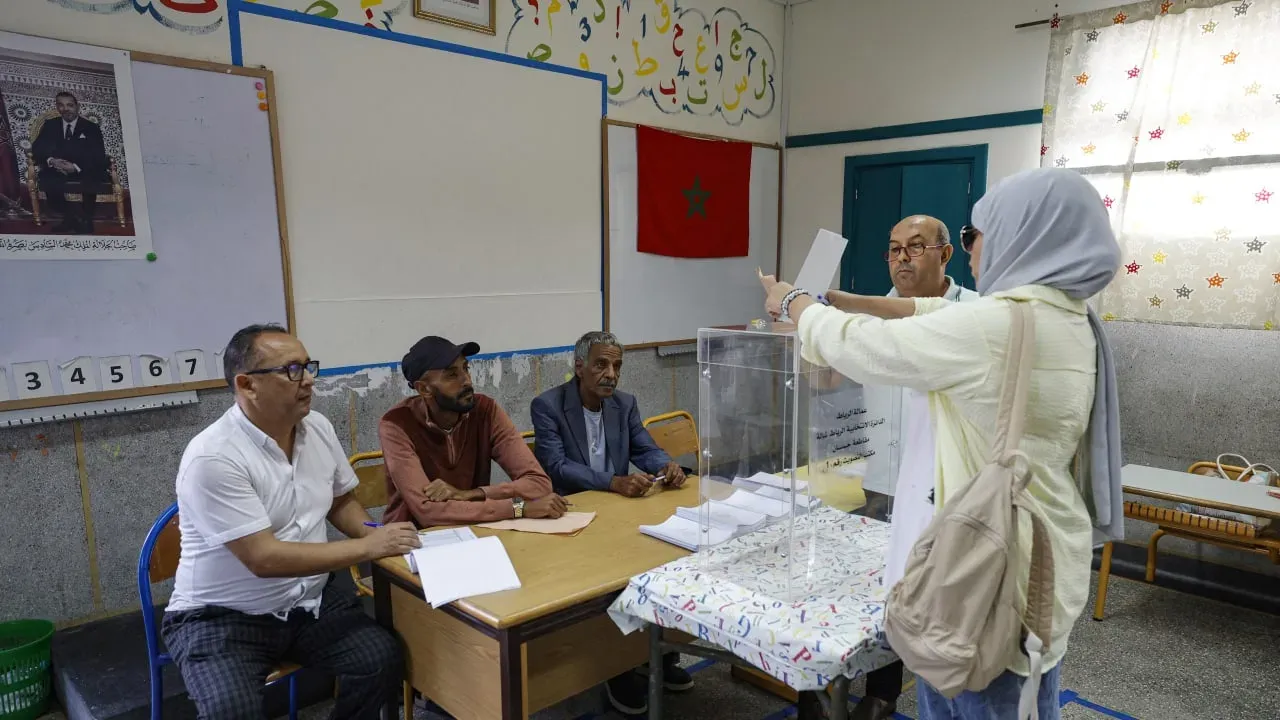
The statistics from this electoral event paint a stark picture of civic disengagement. Alarmingly, only 20% of eligible voters chose to participate, a clear indicator of the populace's skepticism towards the electoral process. According to data released by the Ministry of the Interior, approximately 28 million Moroccans are of voting age, yet only 15.8 million are registered to vote. Out of this registered electorate, a mere 38.02%—roughly 6 million individuals—cast their ballots, translating to a dismal 21.4% participation rate among the entire eligible population. This low turnout is a worrying sign for a nation striving to solidify its democratic foundations.
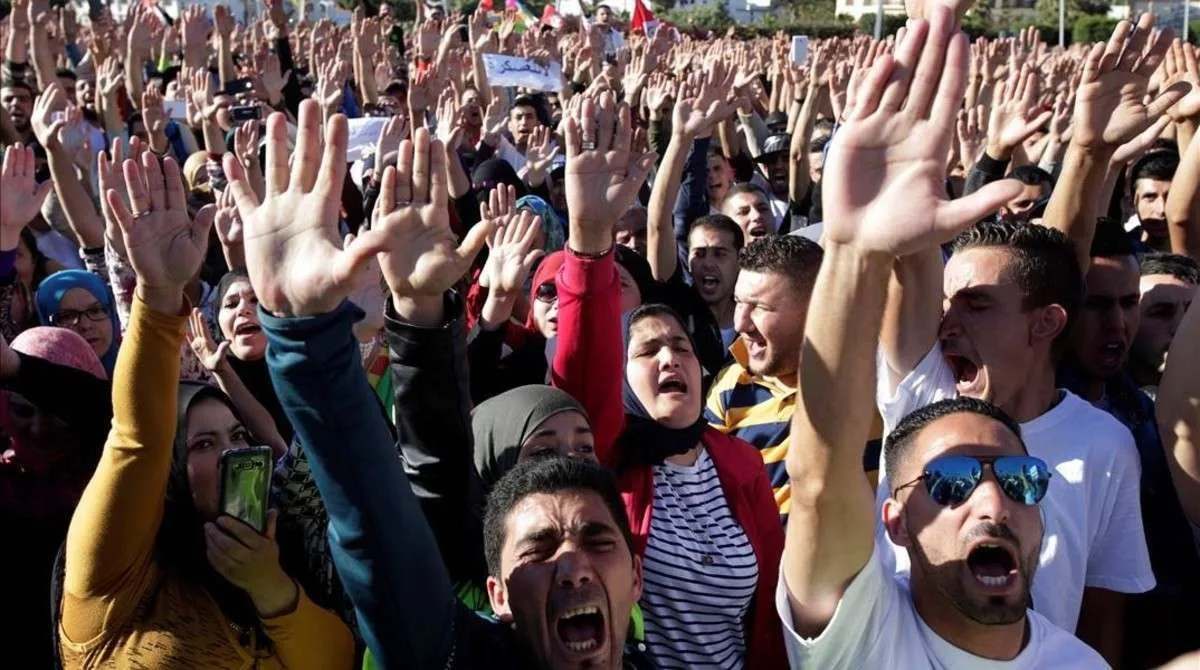
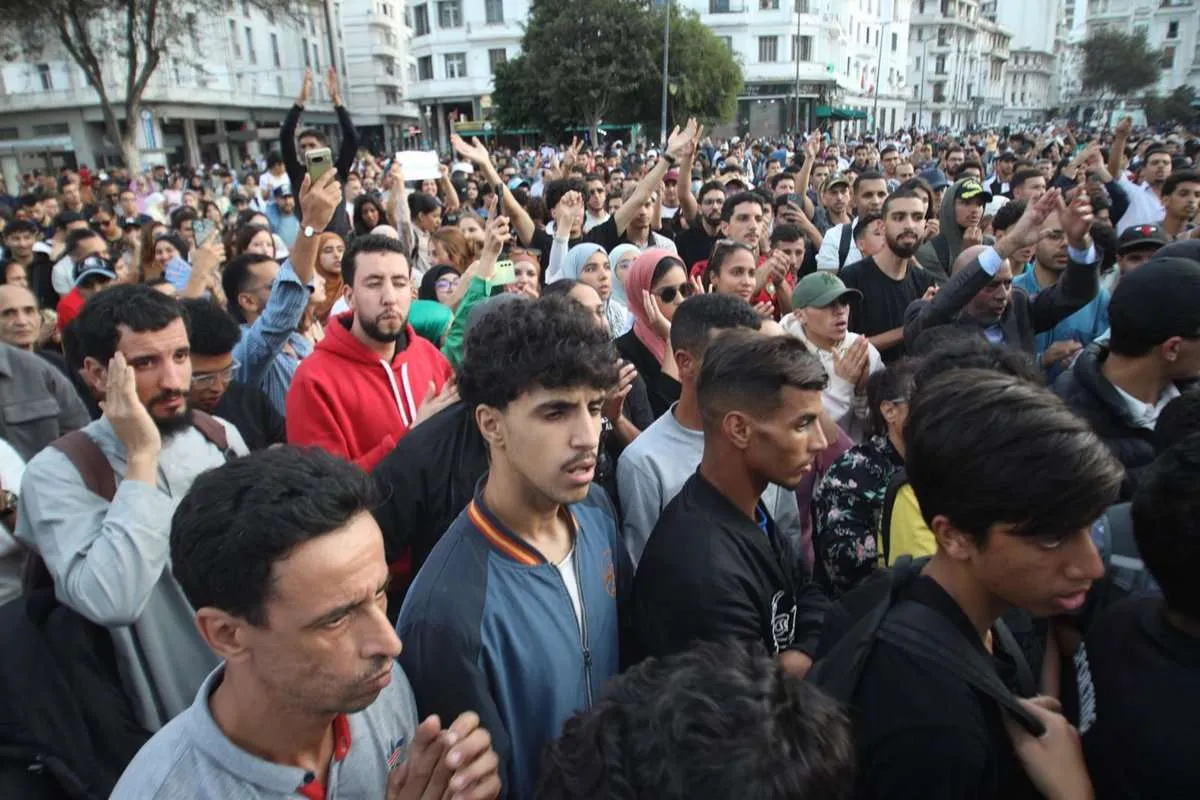
Electoral behavior in Morocco is not uniform; it showcases a pronounced historical divide influenced by political control and local dynamics. In coastal urban centers like Casablanca, Rabat, and Tangier, voter turnout has been notably low, reflecting a higher political awareness and a strong sentiment of disillusionment towards parliamentary efficacy. Residents express their frustration, with one citizen lamenting the lack of democratic freedoms, stating, "Being a republican in Morocco implies jail or disappearance." In contrast, rural areas have seen moderate to high levels of participation, largely due to the influence of traditional patronage systems and local notables who mobilize constituents to the polls. However, in historically contentious regions like the Rif, the boycott of elections has culminated in empty polling stations, underscoring a deep-rooted disenchantment with the political establishment following severe crackdowns on protests in 2016.
The Political Landscape and Power Dynamics
The recent elections were essentially a contest between two factions within the Makhzen, both of which are closely associated with the Royal Palace in Rabat. The provisional results indicate a significant power shift, with the Authenticity and Modernity Party (PAM) emerging victorious, securing 97 seats—ten more than in the previous election cycle. This party, which aligns with center-right liberal ideology, was founded by Fouad Ali El Himma, a prominent advisor to King Mohammed VI. The campaign spotlighted the rise of Fouzi Lekjaa, an influential figure in Moroccan sports, who is being speculated as a potential candidate for Prime Minister in the lead-up to the 2030 World Cup.
Conversely, the National Rally of Independents (RNI) faced a setback, finishing second with 66 seats. Led by billionaire Aziz Akhannouch, who has close ties to the monarchy, the RNI's diminished influence highlights the shifting political tides. Interestingly, the Justice and Development Party (PJD), representing moderate Islamism, experienced a resurgence, obtaining 54 seats and positioning itself as the main opposition bloc. This re-emergence serves as a strategic move by the Palace to project a narrative of political diversity to international observers, particularly given Europe's cautious stance towards rising Islamist movements.
Despite the apparent competitiveness of these elections, the Moroccan political system remains fundamentally different from Western democratic frameworks. The king retains substantial discretionary power in appointing the head of government, a process enshrined in Article 47 of the 2011 Constitution. This provision allows the monarch to select a leader from the winning party without necessitating that the individual has directly contested in the elections, which raises questions about the true democratic nature of governance in Morocco.
Moreover, the duality of executive power—between the Council of Ministers, presided over by the king, and the elected government—further complicates the political landscape. This separation ensures that while elected officials may manage daily administrative tasks, the ultimate strategic direction of the state remains firmly within royal prerogative. Consequently, the Moroccan political scene, while ostensibly pluralistic, is confined within stringent parameters that limit the scope of true democratic engagement.
In conclusion, while Morocco's elections may present a semblance of competitive politics, the actual mechanisms of power reveal a system that is heavily controlled and resistant to genuine popular representation. The disillusionment among the youth, coupled with the ongoing emigration trends, poses a significant risk to the stability of the nation. Without meaningful reforms that address the electorate's concerns and aspirations, the prospect of a vibrant democracy in Morocco remains uncertain, as many young individuals search for opportunities beyond their homeland. As reported by escudodigital.com.