
The Rise of Youth Disillusionment: Understanding the Gen Z 212 Movement
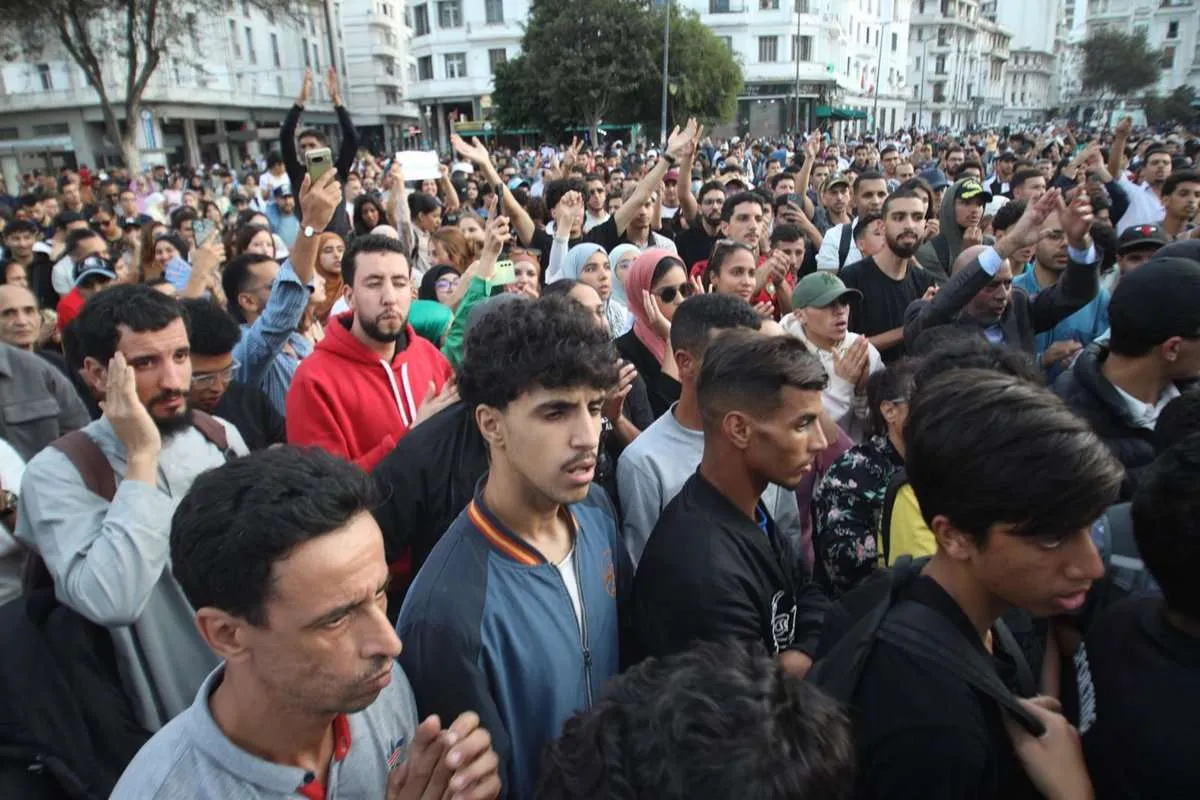
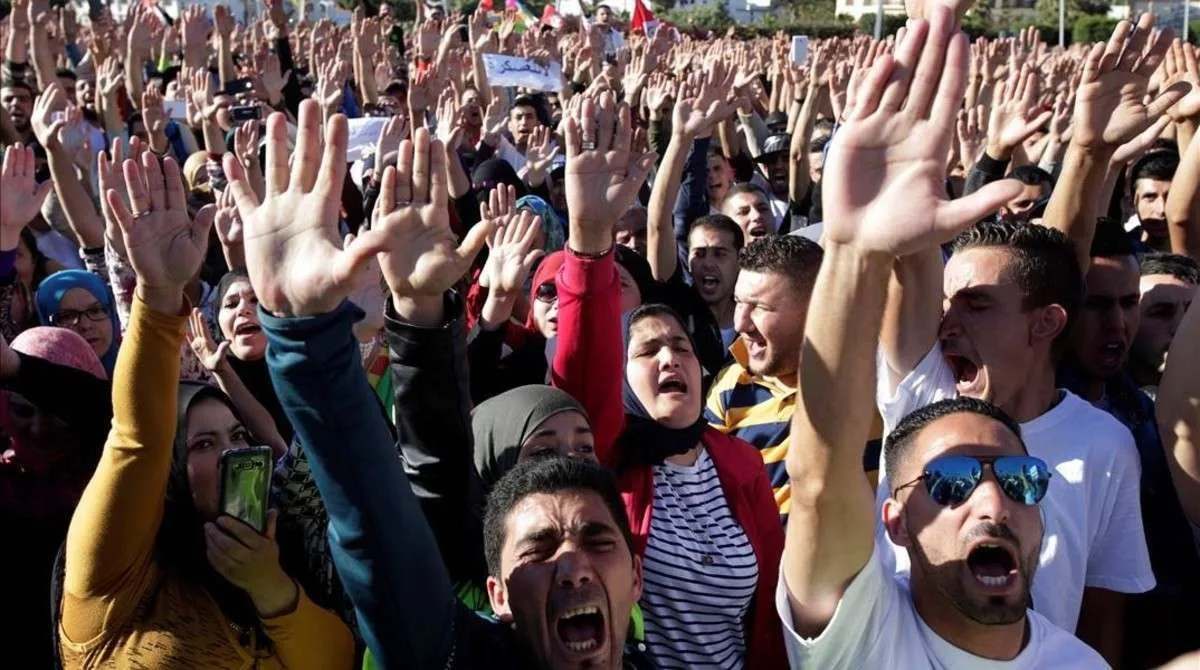
The most notable aspect of the recent Moroccan elections was not merely the contest of political parties but rather the significant youth abstention that marked the event. This election took place exactly one year after the emergence of the Gen Z 212 movement, a grassroots initiative advocating for substantial social reforms and highlighting the dire socioeconomic conditions faced by the youth. The protests, which surged in 2025, reflected a growing sense of disillusionment and distrust towards the political establishment, a sentiment that was ultimately manifest in the low voter turnout.
This wave, referred to as Generation 212, distinguishes itself from earlier movements like the February 20 Movement of 2011 due to its lack of traditional organizational structures and visible leadership. Instead, its momentum was fueled by digital platforms such as TikTok, Discord, and Instagram, where young activists mobilized support and raised awareness about their grievances. Economic indicators suggested growth; however, the reality for many young Moroccans was starkly different, characterized by soaring unemployment rates and precarious job security that left college graduates and urban youth feeling marginalized.
In addition to the lack of job opportunities, many families faced rising costs in essential services such as healthcare and education, prompting some to seek expensive private options. This economic strain, combined with the political class's failure to address these issues effectively, further exacerbated the distrust in governmental institutions. While the protestors respected the monarchy's figurehead, they openly criticized parliamentary parties and executive representatives, accusing them of neglecting the aspirations of the youth. This growing discontent did not translate into organized voting participation; instead, it resulted in a silent rejection of the electoral process itself.

The Challenges of the Moroccan Electoral System and Its Impact on Youth Participation
Morocco's demographic profile is predominantly youthful, with nearly half of its population under the age of 30. However, this youthful reality is not reflected in the electoral rolls. In the latest elections, the official census recorded just over 15.8 million registered voters, a decline from the previous figures in 2021. This decrease raises questions about the effectiveness of the electoral system and its ability to engage younger voters.
One significant challenge is the participation of Moroccans living abroad, a demographic exceeding five million. Although the 2011 Constitution acknowledges their political rights, the practicalities of exercising these rights remain fraught with hurdles. Currently, expatriates must register in person in Morocco to vote, which severely limits their representation in the House of Representatives. This lack of accessible voting mechanisms has fostered frustration among expatriates, particularly considering their critical role in the Moroccan economy through remittances. Despite ongoing discussions in parliament regarding electoral reform, no substantial changes have been made to facilitate full participation from this vital segment of the population.
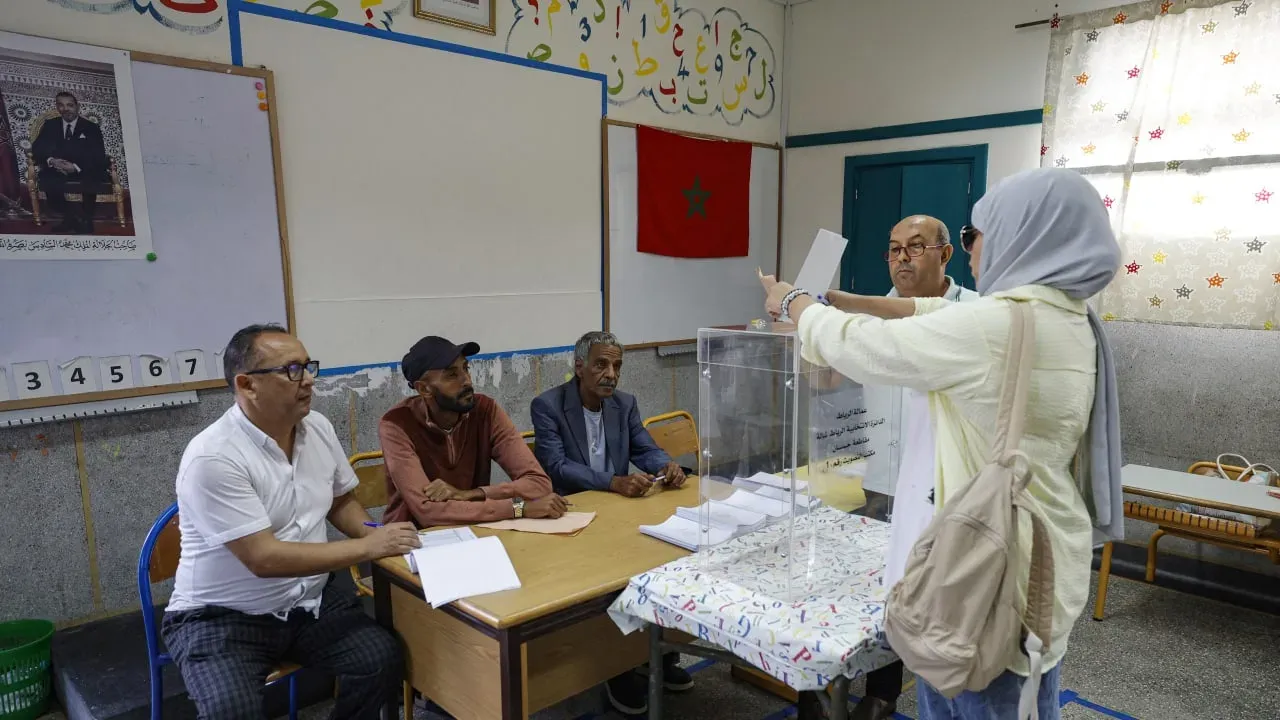
In a landscape of political apathy, 28 political parties launched their campaigns, with over 7,000 candidates vying for election across the country. However, the overall atmosphere was marked by widespread disillusionment, culminating in a record abstention rate of 61.9%, the lowest in two decades. Social media emerged as a barometer of this apathy, with images circulating online that depicted young people either refusing to vote or submitting invalid ballots as acts of protest against a political class they perceive as disconnected from the realities of Moroccan society.
This election not only reshaped the parliamentary landscape, with the Authenticity and Modernity Party (PAM) emerging as a dominant force with 97 seats, but it also highlighted the urgent need for the new government to rebuild trust and restore representativeness among the youth. As the country grapples with the effects of an unprecedented abstention rate, it faces the daunting task of addressing the underlying social grievances that have alienated a significant portion of its population.
As reported by atalayar.com.