
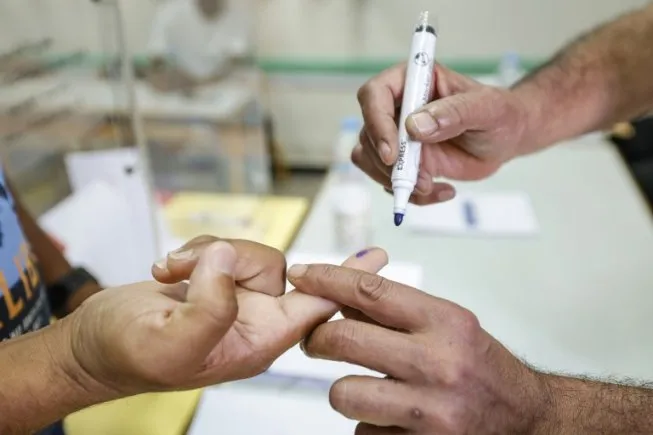

Morocco's Legislative Elections: A Reflection of Youth Discontent
On a day marked by rising unemployment, skyrocketing prices, and deepening inequalities, Morocco held critical legislative elections aimed at renewing its parliament and paving the way for a new government. This electoral exercise comes in the wake of a significant migration crisis that unfolded in late July, where a large influx of young Moroccans attempted to cross into the Spanish enclave of Ceuta, highlighting the dire circumstances faced by many young citizens. As polling stations closed at 7 PM, preliminary results were eagerly anticipated later that evening.
With nearly 16 million voters called to the polls out of a total population of 36 million, the turnout, particularly among the youth, is under close scrutiny. By 5 PM, the Ministry of the Interior reported a national participation rate of 28.05%. The elections are taking place against a backdrop of heightened social tensions, where the aspirations of the youth starkly contrast with the economic realities they face. Despite Morocco's sustained economic growth and the ambitious projects underway in preparation for the 2030 World Cup, many young people feel disillusioned and voiceless.
According to independent researcher Lamia Elfehaim, the significant financial commitments associated with hosting the World Cup are perceived by segments of the population as misaligned with the pressing socio-economic priorities of the kingdom. Issues such as inadequate public services, rural isolation, and high unemployment rates are at the forefront of public concern. Although the Ceuta crisis did not dominate the election campaign, the discussions surrounding it have permeated the electoral debates, revealing the underlying frustrations of the electorate.
"I will not vote because I have lost all faith in the political class," stated Majda Bakatir, a 59-year-old resident of Rabat, when interviewed by AFP in the city center. Her sentiments echo a broader discontent among citizens who feel that their pressing issues regarding health, education, and purchasing power are being neglected by those in power. The elections thus represent not just a political event but a litmus test for the Moroccan government's ability to address the aspirations and grievances of its youth.
As reported by actu.orange.fr.
