
Understanding the Recent Moroccan Legislative Elections
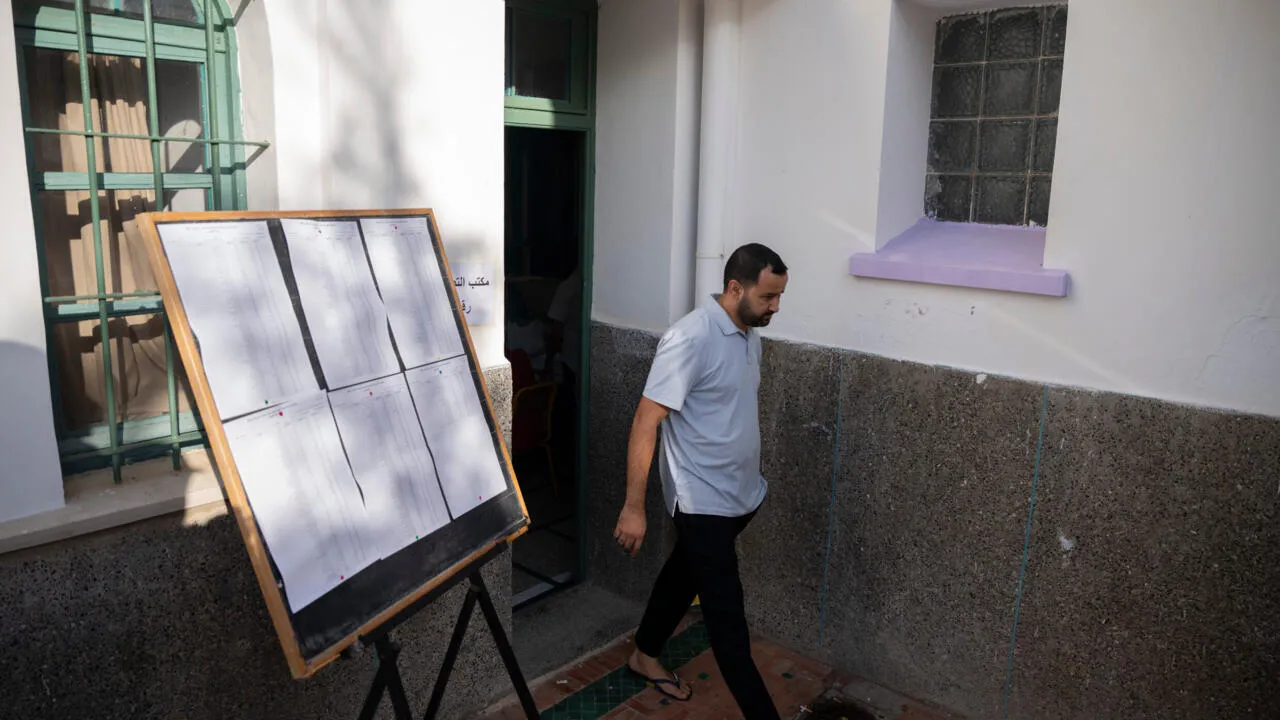
The preliminary results of Morocco's legislative elections were unveiled on September 24, 2026, by the Minister of the Interior, revealing a significant trend marked by high voter abstention. Nadia Hachimi Alaoui, a political science researcher at the International University of Rabat, offered an insightful analysis of these results during an interview on Afrique Midi.
In this election cycle, the Justice and Development Party (PJD), an Islamist political faction, has strategically positioned itself to capitalize on a protest vote, reflecting widespread dissatisfaction among the electorate. As voters grapple with ongoing economic challenges and social issues, their decision to abstain from voting highlights a yearning for change and a rejection of the status quo. This situation underscores the necessity for political parties to engage more effectively with the concerns of their constituents.
Historically, the PJD has maintained a significant presence in Moroccan politics; however, the recent high abstention rates indicate a potential shift in public sentiment. While the Party of Authenticity and Modernity (PAM) initially appeared to lead the polls, the PJD has managed to rally support through its narrative of addressing voter grievances. This electoral behavior signals not only a desire for accountability but also a call for more responsive governance.
The Implications of Voter Turnout
The low participation rate recorded in these elections is the lowest seen in nearly two decades, raising questions about the political engagement of Moroccan youth and the effectiveness of current political strategies. Critics argue that the lack of enthusiasm among young voters is symptomatic of a broader disillusionment with political processes, suggesting that parties must innovate their approaches to resonate with this demographic.
The analysis by Nadia Hachimi Alaoui emphasizes the importance of understanding this phenomenon in the context of Moroccan politics. Political parties must not only recognize the implications of such voter behavior but also adapt their strategies to reconnect with a disenchanted electorate. The PJD's ability to construct a narrative around the protest vote could serve as a critical pivot point for its future in Moroccan politics.
As the political landscape evolves, it will be essential to monitor how these dynamics influence future policies and party strategies, particularly in addressing the root causes of voter disengagement. The findings from this election cycle will likely have lasting implications for how Moroccan political entities operate and interact with the electorate moving forward.
As reported by rfi.fr.