Morocco's Parliamentary Elections: A Shift in Political Landscape
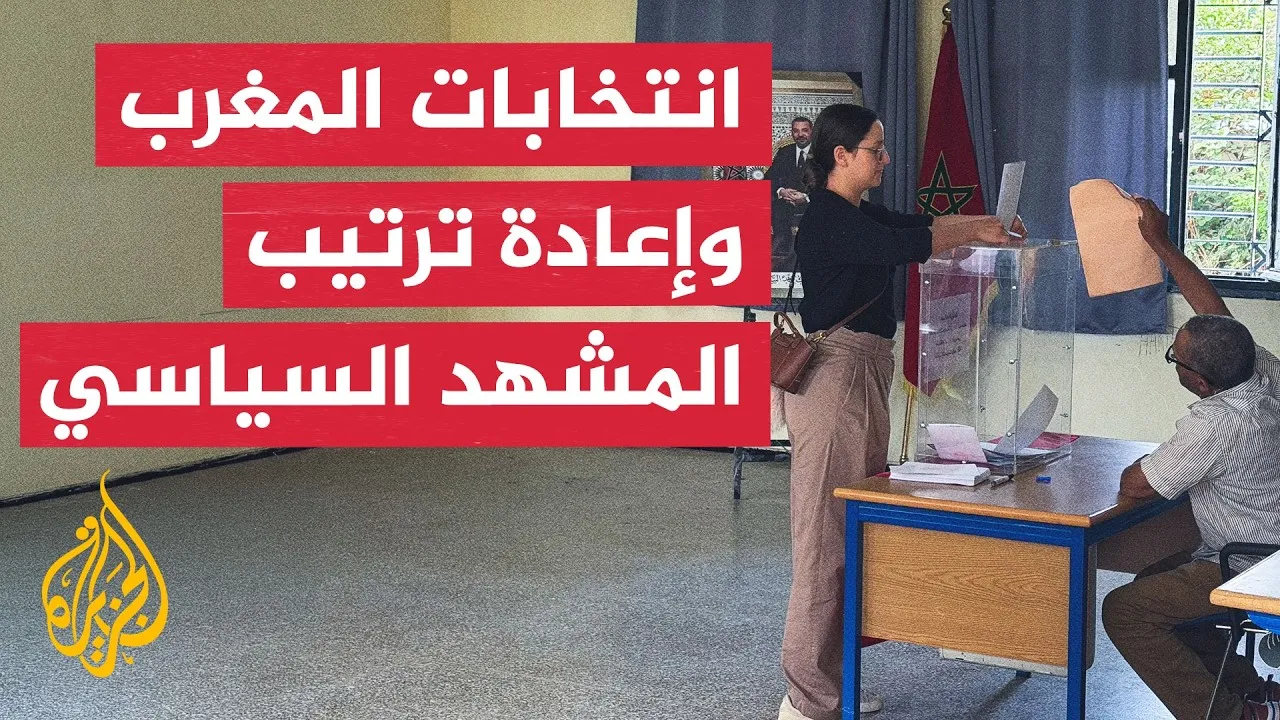
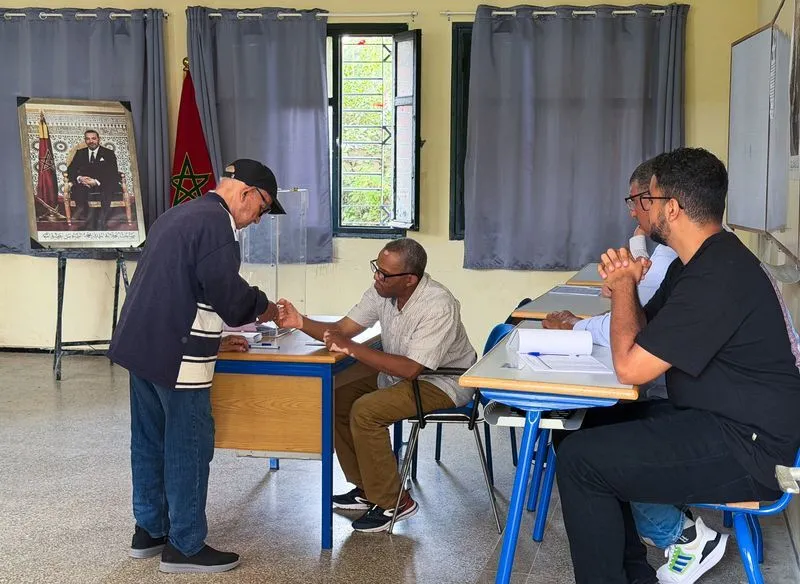
In the recent parliamentary elections held in Morocco, the ruling coalition has emerged as the dominant force, according to provisional results released on Thursday. This election, characterized by a notably low voter turnout, also witnessed a surge in support for the Islamist opposition, indicating a shift in the political landscape of the country. The turnout rate was particularly low among the youth, a demographic that has been increasingly vocal about socio-economic grievances, especially following the recent migration crisis involving Moroccan youth rushing into the Spanish enclave of Ceuta. This crisis has underscored the frustrations that many young Moroccans feel despite the kingdom's reported economic growth and ambitious infrastructure projects in preparation for co-hosting the 2030 soccer World Cup with Spain and Portugal.
Election Results and Future Implications
The elections recorded a turnout of only 38 percent out of approximately 16 million registered voters, marking the lowest participation rate since 2007. The center-right Authenticity and Modernity Party (PAM) secured 97 out of 395 seats in the House of Representatives, while the National Rally of Independents (RNI), which leads the outgoing coalition, followed with 66 seats. With no party achieving an outright majority, the PAM will need to form a coalition with other parties to establish a new government. Among the potential candidates for the next prime minister is Fouzi Lekjaa of the PAM, currently serving as the budget minister, who is also recognized for his role as head of the Royal Moroccan Football Federation. Additionally, Fatima Ezzahra Mansouri, the current Territorial Planning Minister and mayor of Marrakesh, is being considered as a candidate for Morocco's first female prime minister. The PAM has committed to ambitious goals, including an average annual economic growth rate of 5%, inflation control at around 2%, and the creation of at least one million new jobs during its five-year term.
As reported by timesofisrael.com.