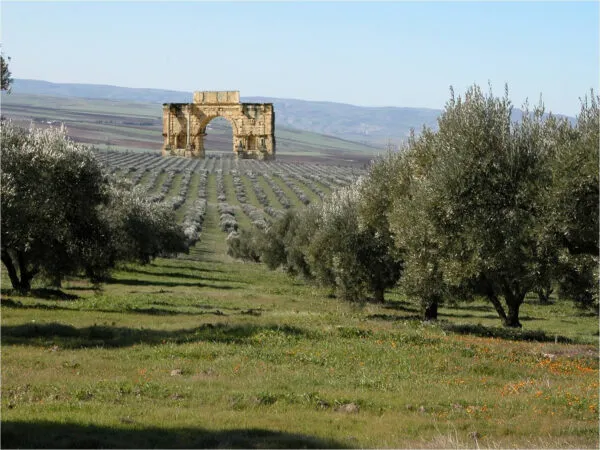

The olive oil industry in Morocco is experiencing a much-anticipated revival after enduring several years of drought that heavily impacted olive cultivation. The recent persistent rainfall, which lasted from mid-December to the end of March, has instilled hope for a fruitful next olive oil campaign. This is further supported by the current adequate levels of reservoirs, bolstered by snowfall in mountainous regions, creating a favorable environment for olive farming.
This revival is not merely significant in terms of agricultural output but also holds substantial implications for Morocco's economy and labor market. With over 1.2 million hectares dedicated to olive cultivation, primarily featuring the Moroccan Picholine variety, this sector now encompasses approximately 65% of the national tree cover. The economic impacts are profound; the olive oil sector generates over 51 million workdays annually, translating to more than 200,000 permanent jobs. Notably, 20% of this workforce is comprised of women, indicating how innovations within the supply chain are reshaping traditional demographic balances.
The advancement of this sector is being propelled by the government’s “Green Generation” program, an ambitious initiative aimed at steering Moroccan agriculture toward sustainable modernization. This plan focuses on three fundamental areas: the modernization of plantations, stringent quality control, and traceability, which also aids in enhancing regional brands. The goal is not just to increase production but to instigate a paradigm shift that fosters the emergence of a new rural middle class and a generation of young agripreneurs who view olive cultivation as a profitable and technologically advanced future.
However, this journey is not without challenges. Morocco has faced persistent droughts and extreme heat waves in recent production cycles, leading to significant fluctuations in output. While peak production years have seen figures soar beyond 200,000 tons of olive oil, recent campaigns have struggled to reach the 100,000-ton mark. This is where technological innovation plays a pivotal role, especially in the agronomic management of olive groves, where drip irrigation systems and satellite monitoring systems are proving to be vital, as well as in the processes of transforming olives into oil.
Today, the exact number of active olive oil mills in Morocco remains uncertain. Historically, outdated models have long found their market, but the growth process under the Green Generation initiative, which follows the Green Morocco Plan involving 480 agricultural enterprises, is fostering optimism regarding new investments in oil mills. Maurizio Loroni, the sales director for Pieralisi in Morocco, expresses confidence in the future, stating, "There is a climate of trust in what lies ahead." With an expected significant production recovery, positive impacts from investments in new machinery are also anticipated. Morocco's emphasis on quality and the promotion of certified production necessitates gradual adjustments. More structured entities, such as cooperatives and businesses from other production sectors looking to diversify into olive oil, can now benefit from cutting-edge technology. The Pieralisi systems offer outstanding performance from crushing to kneading, extraction to separation, complemented by a diverse range of machines tailored to different customer needs based on olive throughput and a reliable customer service guarantee.
For those wanting to stay updated on these developments, further insights will be available in the upcoming edition of Siam, the international agricultural exhibition in Morocco, set to premiere next Monday in Meknes. Pieralisi, alongside over 1,500 exhibiting companies, anticipates an audience of more than one million attendees.
As reported by olivonews.it.