
Political Landscape and Youth Discontent in Morocco
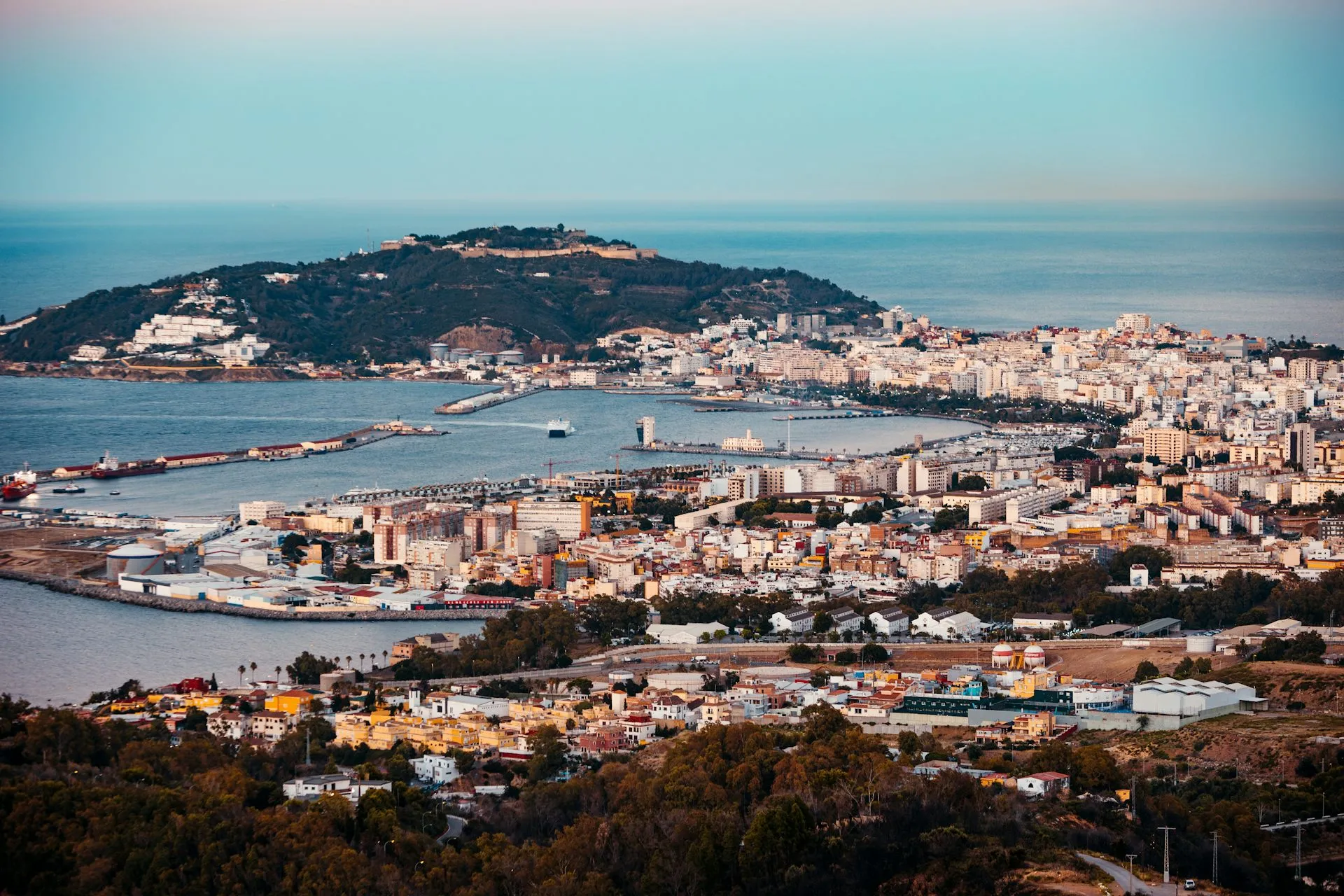
As Morocco approaches its elections scheduled for September 23, 2026, political parties are intensifying their efforts to engage the youth demographic, which has historically exhibited significant disenchantment with the electoral process. Recent events, including violent protests and a surge in migration attempts to the Spanish enclave of Ceuta, have underscored the depth of dissatisfaction among young Moroccans. This discontent can largely be attributed to uneven economic development and persistent hardships faced by the younger population, despite notable advancements in sectors like manufacturing and infrastructure that have improved living conditions in urban areas.
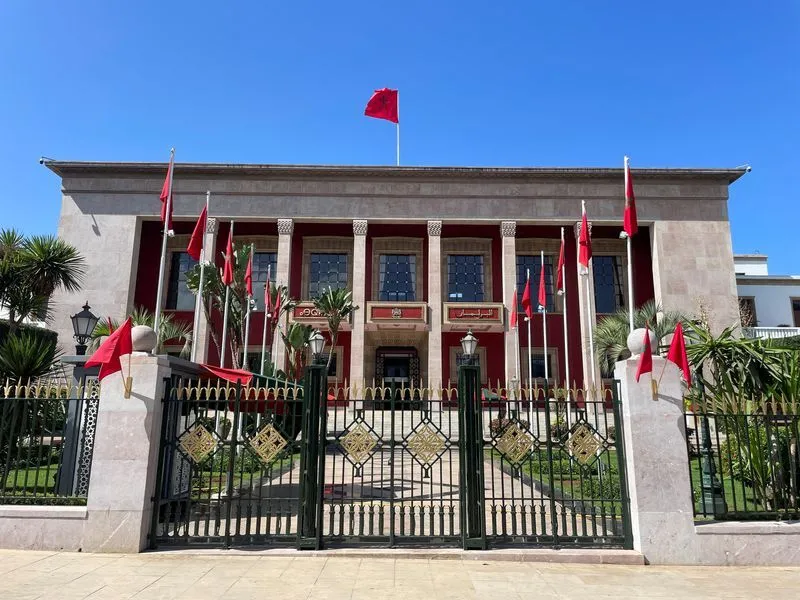
This upcoming election marks Morocco's fourth since the Arab Spring of 2011 prompted the monarchy to share power with the parliament, albeit with the royal institution maintaining substantial control over national policies. Following a decade of governance by a moderate Islamist party, the political landscape shifted dramatically after their defeat five years ago, leading to the rise of two parties closely aligned with the monarchy: the National Rally of Independents (RNI) and the Authenticity and Modernity Party (PAM). Both parties have made youth employment a focal point of their campaigns, pledging to create approximately one million jobs during the next parliamentary term while also committing to significant infrastructure investments ahead of the 2030 World Cup.
Challenges in Engaging Young Voters
Despite the political parties' efforts, young voters remain skeptical. A mere 3% of registered voters are aged 18 to 24, even though this age group constitutes about 12% of the Moroccan population. A survey conducted by Afrobarometer revealed that only one-third of young Moroccans aged 18 to 35 expressed trust in political institutions such as parliament or political parties. This distrust is largely rooted in the perception that elections merely shuffle power between parties that lack substantial ideological differences, resulting in minimal policy changes that impact their lives. Many young individuals, like university student Mohamed Azzaoui, report feeling disillusioned, citing a reluctance to participate in a system they believe repeatedly fails to deliver on promises.
Moreover, the monarchy's overarching control complicates the political competition, with parties focusing more on aligning with royal objectives rather than proposing alternative development models. According to economist Rachid Aourraz, this dynamic leads to a situation where the monarchy reaps the rewards of successful policies while the government bears the brunt of any failures. As Morocco continues to pursue ambitious economic goals, including a target to double its GDP per capita by 2035, the stark reality of youth unemployment—currently at around 27%—paints a troubling picture. With one in three young Moroccans neither working nor pursuing education or training, the gap between the nation’s economic aspirations and the lived experiences of its youth continues to widen.
As reported by internazionale.it.