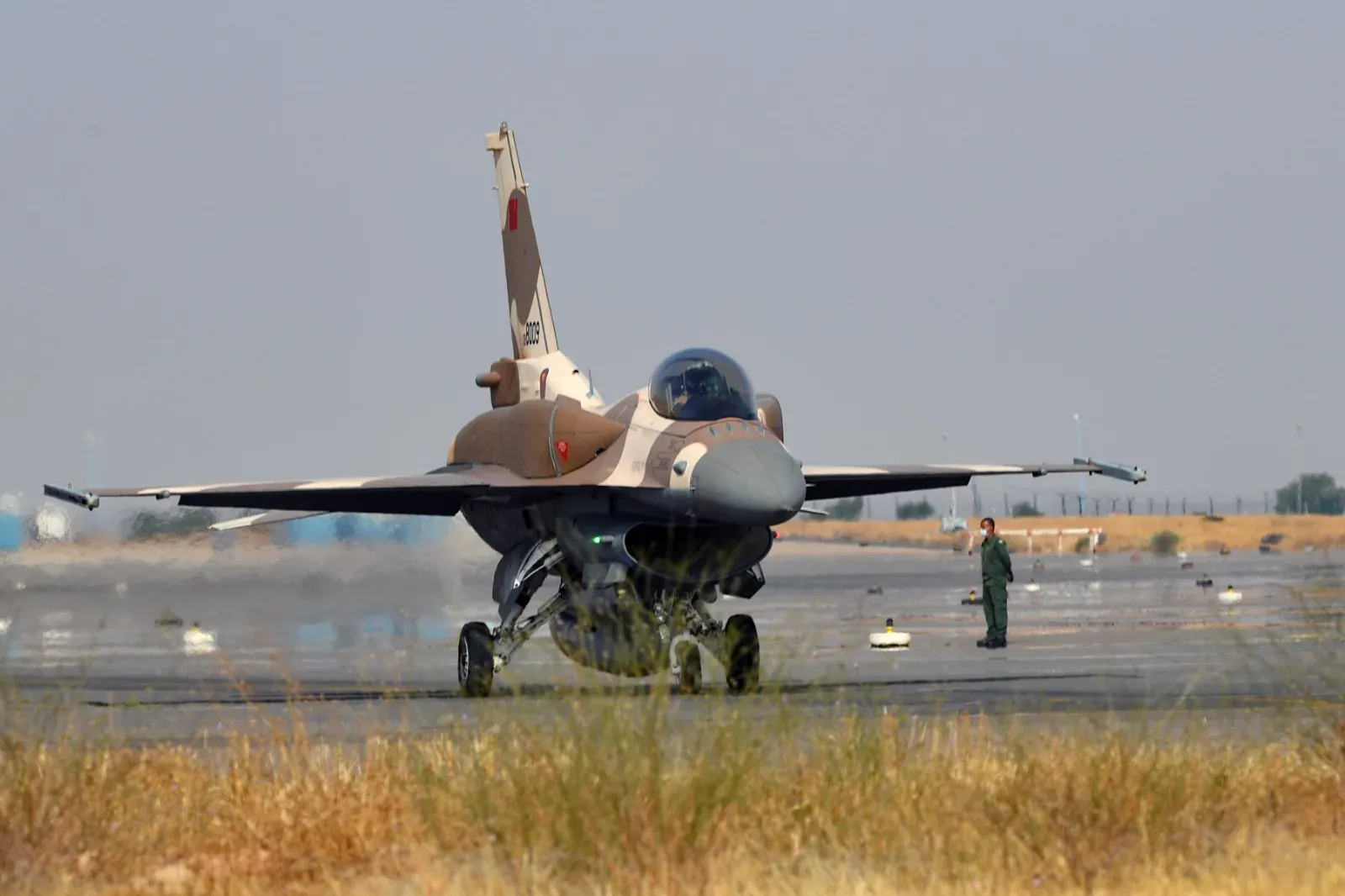

Strengthening Training for the New Generation of F-16s
The Royal Air Force of Morocco is making significant strides in incorporating its new generation of F-16 Block 72 fighter jets, particularly by enhancing the training capabilities associated with this advanced platform. Recently, CAE Inc. secured a contract valued at up to $42,103,873 to provide training systems and logistical support services tailored for Morocco's future F-16s, an operation facilitated through the U.S. Foreign Military Sales (FMS) program.
This contract, announced by the Pentagon, includes the provision of two Full Mission Trainer systems specifically designed for F-16s, along with the necessary instructor and operator stations. Furthermore, the package encompasses a representative cockpit for the F-16 Block 72, a visual display system, computational systems, power distribution components, and a Joint Helmet-Mounted Cueing System II (JHMCS II) with its corresponding display. Additionally, it includes an uninterruptible power supply, a central file server, spare parts, and other essential support equipment.
Comprehensive Modernization Efforts
The work under this contract will be executed at CAE's facilities in Arlington, Texas, and at Sidi Slimane Air Base in Morocco, where the training systems will be installed and operationally commissioned for Moroccan personnel. The contract is scheduled for completion by April 30, 2029, with an initial commitment of $37,975,064 in FMS funds at the time of the award. This contracting activity falls under the Air Force Life Cycle Management Center, specifically within the Simulators Division of the Agile Combat Support Directorate.
The introduction of these training systems is part of Morocco's broader modernization efforts surrounding its air combat component. The North African nation is progressing with the integration of new F-16 Block 72 jets, complementing the program with the acquisition of munitions and systems aimed at maximizing the platform's capabilities.
The availability of full mission simulators will also enable pilots and other personnel involved in operating the new weapon system to practice procedures, navigation, sensor employment, and combat tactics without the need for constant real flight hours. For a platform like the F-16 Block 72, which features a more advanced mission architecture and avionics systems compared to previous versions, this infrastructure is vital for achieving and maintaining operational readiness.
Thus, this new contract reinforces the notion that Morocco is not merely acquiring aircraft, but is simultaneously advancing in training, infrastructure, and sustainment—three crucial elements for solidifying the operational capacity of the upcoming F-16 Block 72s. The arrival of these simulators will progressively prepare crews and support personnel for the effective integration of the new fighters into the Royal Air Force of Morocco.
As reported by zona-militar.com.