
Morocco's Role as a Pillar of Stability
The stability of Morocco has emerged as a crucial strategic asset in an increasingly fragmented global landscape, according to political scientist Sébastien Boussois. In an interview published on July 29 by Le Journal du Dimanche (JDD), just before the Throne Day celebration on July 30, Boussois emphasized that the kingdom has successfully maintained the continuity of the state at a time when many countries in the Maghreb and the Middle East are grappling with civil wars, institutional crises, and profound political upheavals. He noted that the monarchy embodies national unity, state continuity, and institutional authority, with King Mohammed VI promoting a form of Islam that is 'moderate, tolerant, and open,' which he sees as a vital bulwark against radicalization. During the Arab Spring, Boussois recalled that Moroccans demanded more reforms without challenging the foundations of the system, indicating that the nation had 'chosen evolution over revolution.'
The Diplomatic Snowball Effect Following U.S. Support for the Sahara Autonomy Plan
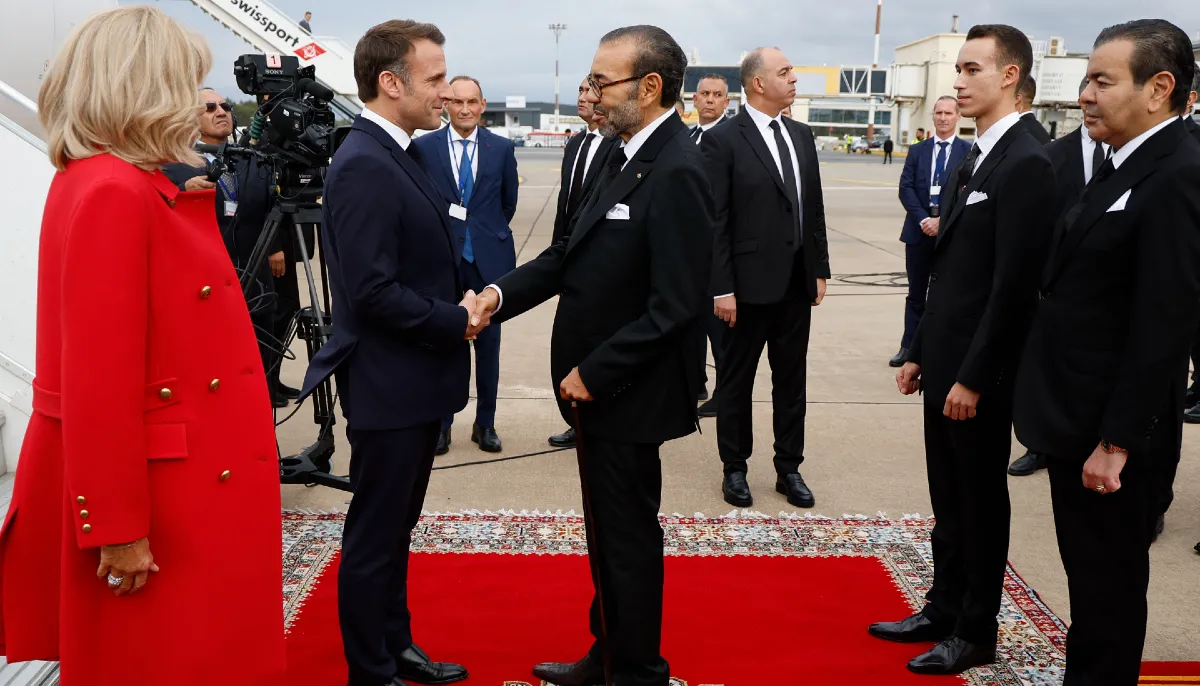
Boussois further elaborated on Morocco's diplomatic strategy, highlighting the United Nations' adoption of a resolution supporting Morocco’s autonomy plan for Western Sahara as the culmination of a 'patient' approach by Rabat. He pointed out that this movement began with the backing of Donald Trump and has since created a 'snowball effect' among Morocco's allies. For instance, Emmanuel Macron sent a letter to King Mohammed VI during the 2024 Throne Day celebration, acknowledging the Moroccan plan, even at the cost of straining relations with Algeria. Since rejoining the African Union in 2017, Morocco has positioned itself as one of the continent's leading investors, leveraging its banks, businesses, and infrastructure, according to the researcher.
On the other hand, the European Union remains Morocco's primary trading partner, with the country's security services playing an 'essential' role in preventing terrorist threats aimed at Europe. Boussois described this cooperation as 'discreet but effective,' often praised by Western capitals. French companies continue to have a strong presence in sectors such as industry, transportation, energy, and services, and the recent rapprochement between Paris and Rabat underscores the mutual benefits of collaboration between the two nations.
Moreover, the demonstrations by the GenZ 212 collective in September 2025 do not reflect internal fragility, according to Boussois, but rather the aspirations of a youth that seeks 'not a rupture but change.' While youth unemployment remains high and the health and education systems require upgrades, Boussois recognizes that King Mohammed VI has repeatedly called for an acceleration of reforms in these areas. He concluded that it is precisely because Morocco is stable that the country can address these demands and incorporate them into public discourse.
As reported by barlamane.com.