
Morocco's New Role in European Cruise Tourism
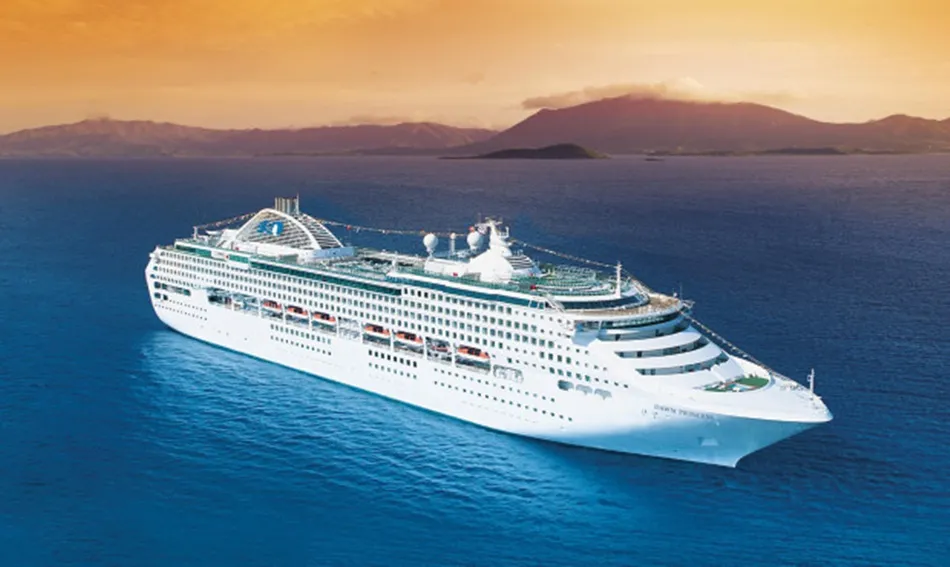
Morocco is making significant strides to enhance its presence in the European cruise tourism sector. This initiative is primarily fueled by the inauguration of the new maritime terminal in Casablanca and the unique offerings of other key cities such as Tangier and Agadir. Positioned at a pivotal juncture of major maritime routes, Morocco boasts well-known port cities that offer a rich tapestry of cultural, historical, and natural attractions. However, experts highlight that the economic benefits of port calls are maximized only when local cities can effectively retain visitors and encourage them to spend.
Since its official opening in September 2025, Casablanca's new maritime terminal has welcomed 53 ship calls, bringing nearly 94,000 cruise passengers to the city. This milestone underscores the city’s potential as a major cruise destination, bolstered by its modern port infrastructure and iconic attractions, including the Hassan II Mosque, a stunning Art Deco heritage, and a vibrant historic medina, along with accessible excursions to nearby cities like Rabat and El Jadida.
Similarly, Tangier and Agadir present compelling advantages. Tangier's strategic location at the gateway to the Mediterranean, combined with its rich cultural history, makes it an attractive stop for cruise itineraries. Meanwhile, Agadir offers a beautiful coastline and opportunities for excursions to its picturesque hinterland, including popular destinations such as Taroudant and Taghazout. A significant challenge ahead is to integrate these ports into a cohesive national tourism strategy rather than allowing them to function as isolated, competing destinations.
Challenges and Opportunities in Cruise Tourism
The inherent challenge of the cruise tourism model lies in the brief nature of port visits, which typically last only a few hours. Without meticulous organization, passengers may end up having only a cursory experience, resulting in minimal economic impact on the local community. To ensure that cruise tourism translates into tangible economic benefits, it is essential to provide well-organized tours, knowledgeable guides, reliable transportation, enhanced security measures, and services that meet international standards. Additionally, there must be a keen awareness of the environmental pressures and urban congestion that some European port cities face.
According to Finances News Hebdo, while cruise tourism should not be viewed as a substitute for traditional stay-based tourism, it can serve as a valuable promotional tool for Morocco. To capitalize on this opportunity, the country must articulate a clear value proposition to cruise lines and meticulously monitor economic outcomes, focusing on metrics such as average spending per passenger onshore, excursion sales, and local job creation rather than merely counting passenger numbers and port visits. By taking these steps, Morocco can effectively reposition itself as a leading player in the European cruise tourism market, thereby enhancing its economic landscape and global visibility.
As reported by northafricapost.com.