
Morocco's Diplomatic Stand Amidst Political Turmoil
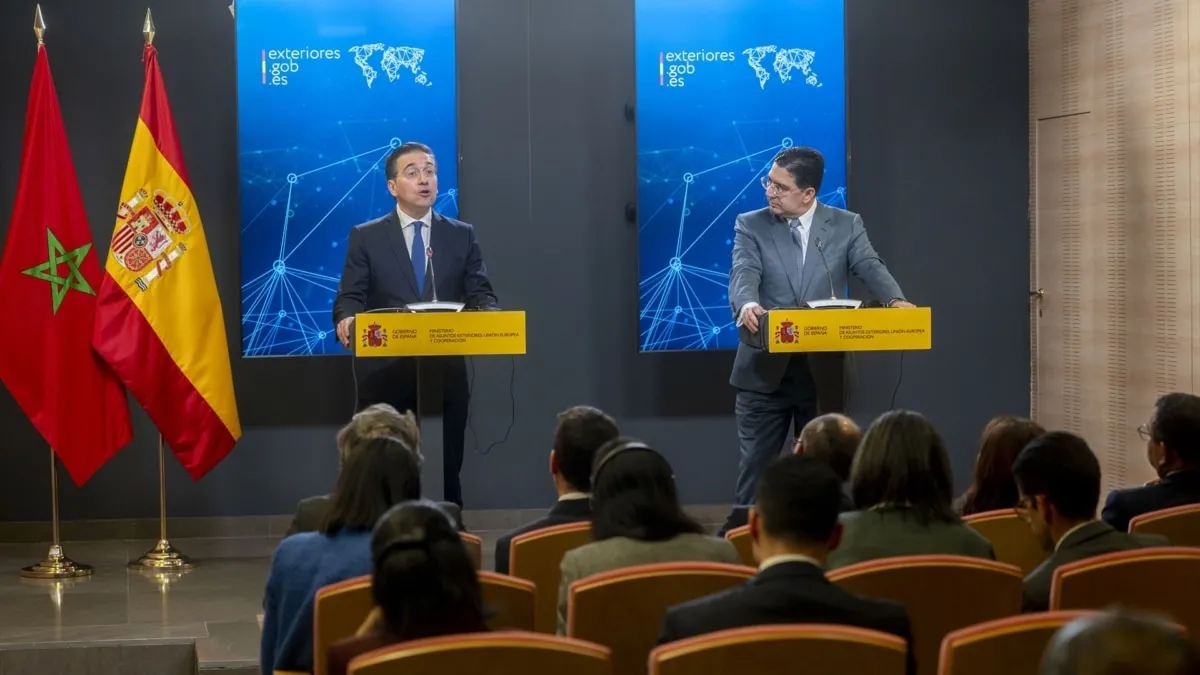
The recent reactions following the publication of 40 documents related to the assault on Ceuta on July 30 have prompted a significant response from Morocco, particularly through a statement issued by Nasser Bourita, the Moroccan Minister of Foreign Affairs. Bourita's remarks were notably critical of both politicians and media outlets that, in his view, exhibit a "strategic blindness" by attempting to exploit Morocco for their own gains. He emphasized that such strategic blindness could transform what should be a capital of trust into a source of chronic distrust and recurrent tensions between the nations.
This reaction from Rabat comes in response to the political earthquake triggered by the declassification of reports concerning the crisis in Ceuta, which have not quelled suspicions regarding Morocco's involvement in the events of July 30. In a veiled reference to the Popular Party (PP), which he did not name explicitly, Bourita expressed disappointment that historical political parties in Spain have fallen into a quagmire where "populist and irrational rhetoric" takes precedence over common sense, despite their extensive governance experience.
Questions Raised by Morocco on the Ongoing Crisis
From Morocco's standpoint, critical Spanish political parties are allegedly using Rabat as a "pre-electoral pawn," something Bourita firmly rejects. He also refuses to be made a scapegoat for political agendas, reminding that geographical proximity is an unchangeable fact. His statement coincided with the recent approval of a Sahrawi nationality law and the announcement of the royal family's visit to Ceuta, neither of which Bourita addressed directly, even though they are potential flashpoints in Spanish-Moroccan relations.
Instead, he highlighted the need for coordinated and effective cooperation between the two nations in managing migration, despite the inability to prevent the influx of thousands of irregular migrants across the border. Bourita referred to the "lamentable events of July" as necessitating a thorough examination to clarify circumstances, identify foreign interference, expose manipulations, and ensure that such incidents do not recur. He posed a series of probing questions aimed at the Spanish authorities, questioning the validity of accusations against Morocco when there is no evidence to substantiate them. He also queried why illegal immigrants are not being deported when Morocco has officially committed to their readmission and criticized the treatment of unaccompanied minors, who remain separated from their families despite Morocco's urgent requests for their return.
Bourita concluded that the answers to these pressing questions do not lie within Morocco but rather with the relevant Spanish actors. As Spain actively seeks answers regarding the incidents of July 30 in Ceuta, with the National Court conducting an investigation to establish accountability, Bourita lamented that honorable legislative and judicial institutions are being affected by poorly conceived initiatives that sow discord.
As reported by elindependiente.com.