
Transforming Morocco's Urban Landscape
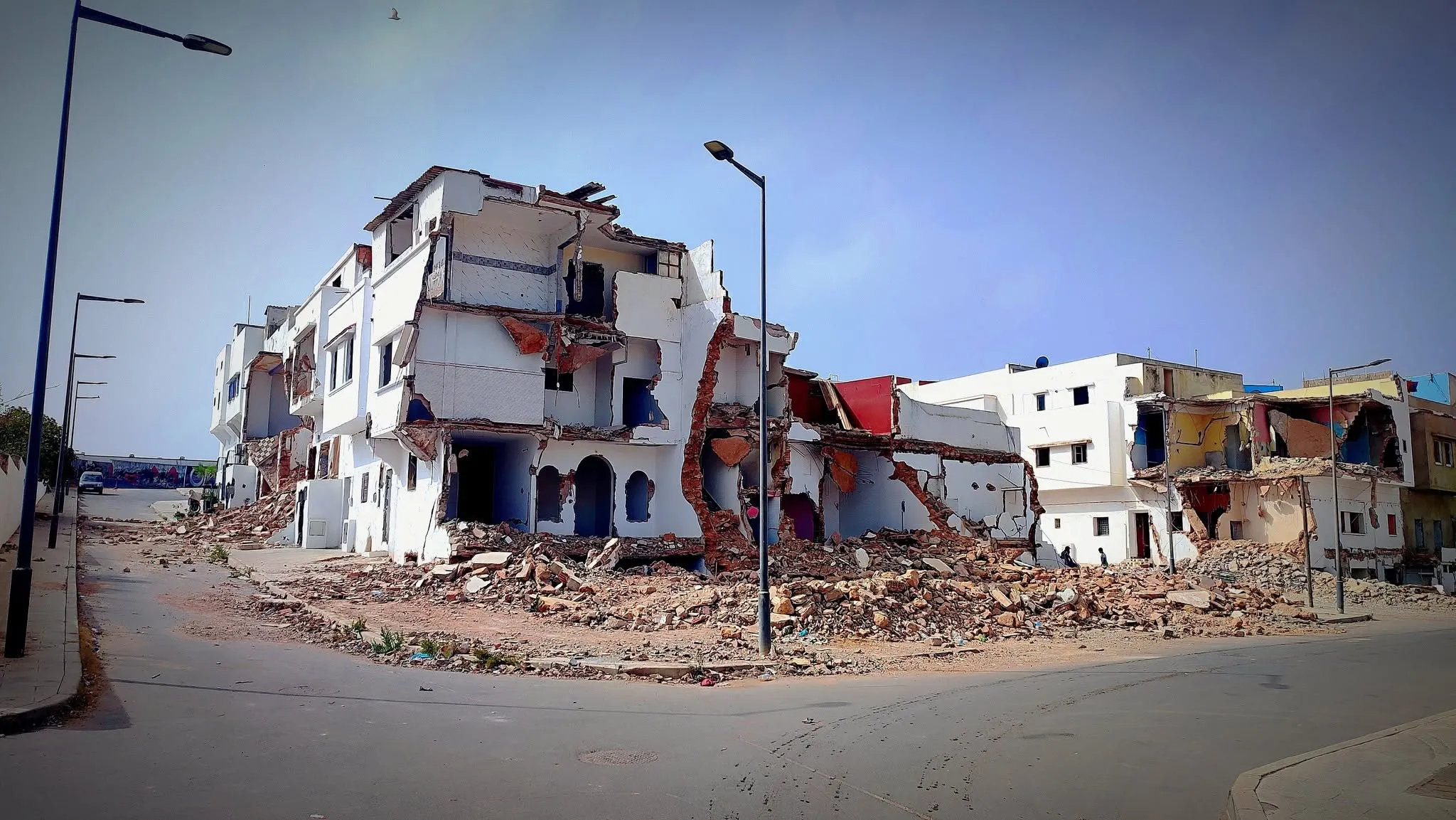
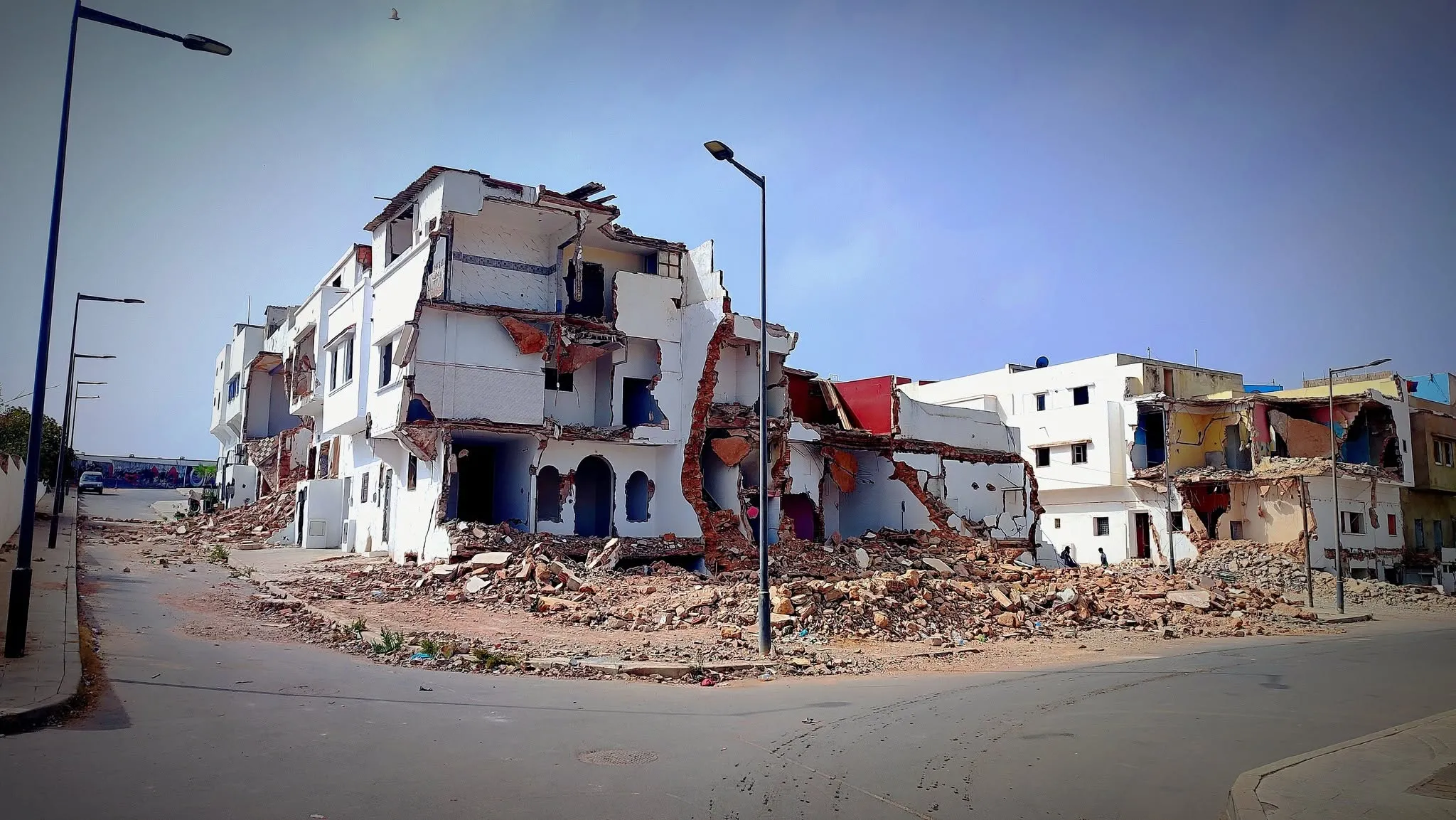
As Morocco gears up for the 2030 FIFA World Cup, the nation is embarking on an extensive urban development initiative that extends far beyond the construction of stadiums and hotels. This vast undertaking encompasses significant renovations and demolitions in major residential areas across cities such as Rabat, Casablanca, and Marrakech. The rapid transformation of these urban centers is driven by the urgency to enhance infrastructure, ensuring that Morocco can adequately host this prestigious global event.
In cities like Casablanca, major demolition projects are underway, particularly in historic neighborhoods as part of the "Mohammed V Boulevard" project, which aims to connect the city center with the renowned Hassan II Mosque. Areas such as Derb Mouha, Derb Boutouil, and others are undergoing significant changes. While local residents and activists express concerns that these demolitions are part of preparations for the World Cup, local officials assert that these projects were planned long ago, with the World Cup merely accelerating their implementation.
Social Implications and Challenges
In Rabat, the historic Al-Muhit neighborhood is witnessing extensive demolition efforts aimed at transforming the capital into a more appealing and modern city in time for the World Cup. Similarly, in tourist-heavy Marrakech, neighborhoods such as Youssef Ben Tachfine are being redeveloped, with residents being relocated to new areas. Thousands of residents in densely populated neighborhoods, such as Al-Farah and Al-Rashad, are also bracing for significant changes as preparations for the World Cup intensify.
These demolition and redevelopment processes raise critical questions regarding the fate of displaced residents, the adequacy of compensation, and the impact on social networks. While financial compensation may be offered, many homeowners find it insufficient, resulting in protests or legal actions demanding fair treatment. The social costs of such transitions extend beyond mere housing displacement; they disrupt long-standing community ties and alter daily lives significantly.
Researcher Mohamed Majdoul highlights the hidden social costs associated with these transformations, emphasizing that uprooting families from homes where they have lived for years disrupts their lives. The loss of established social relationships with neighbors and local support systems presents a profound challenge, alongside the tangible inconveniences such as increased commuting times and potential job losses for those who must relocate their businesses.
Despite the challenges, some urban observers argue that the preparation for the 2030 World Cup could serve as a historic opportunity for Morocco to modernize its cities. Social researcher Karim Aich underscores the importance of ensuring that the benefits of urban renewal projects are equitably shared among residents, preserving social bonds, and providing adequate housing alternatives. Furthermore, he emphasizes that the approach to these developments should prioritize the rights and needs of affected communities, fostering a collaborative environment where residents are actively involved in decisions that affect their futures.
In conclusion, while the preparations for the 2030 World Cup present substantial opportunities for urban revitalization in Morocco, they also highlight the critical need for a balanced approach that considers the social fabric and well-being of the communities involved. Morocco's ambition should extend beyond merely hosting a global sporting event; it should also focus on creating modern, inclusive urban spaces that prioritize the rights to adequate housing and quality of life for all citizens.
As reported by independentarabia.com.