
Historical Context of Morocco's Struggle
The French colonial rule in Morocco was characterized by significant land seizures, economic manipulation, and violent confrontations with local pro-independence fighters. This historical backdrop, as articulated by historian Brahimi, highlights a period when Moroccans experienced a systematic stripping of their sovereignty, a denial of their right to self-determination, and the exploitation of their natural resources. The memories of this era remain deeply ingrained in the national consciousness, serving as a painful reminder of subjugation and overarching domination by foreign powers.
Brahimi further emphasizes that a victory for Morocco in the upcoming match against France would symbolize much more than just a sporting achievement; it would stand as a testament to Morocco’s resilience and capability to confront a nation that once wielded colonial power over it.
Community Spirit and Anticipation for the Match
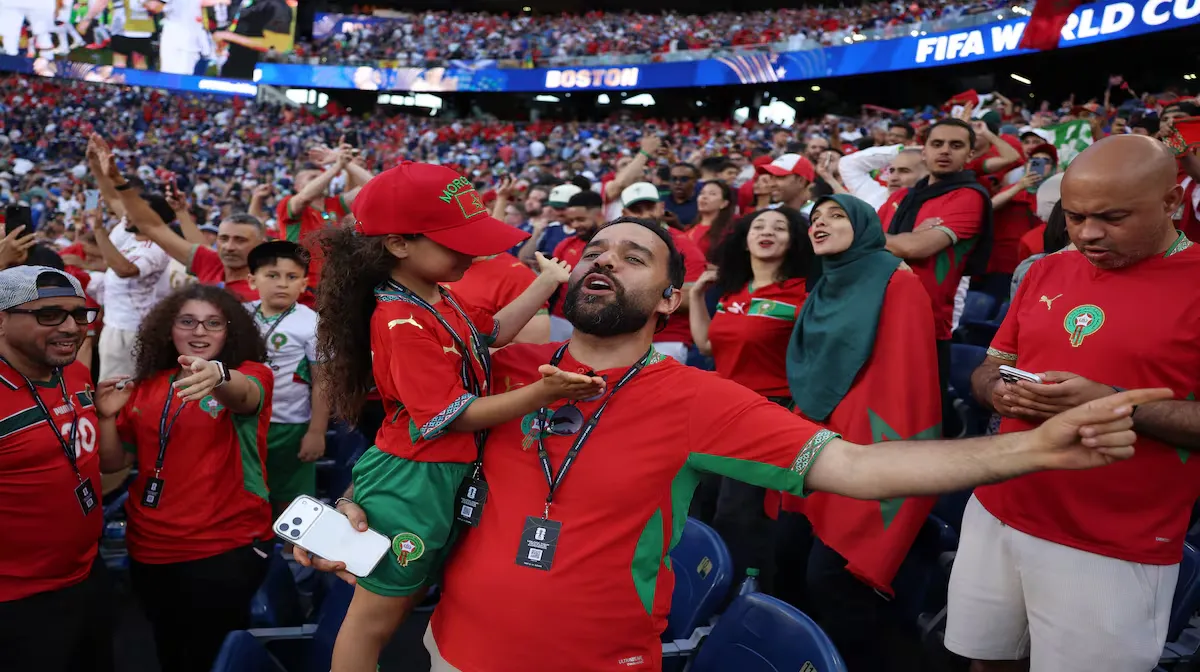
During the exhilarating journey of the Moroccan national team in the 2022 FIFA World Cup, marked by the enthusiastic chants of supporters proclaiming "Dima Maghreb" (Always Morocco), the team showcased their prowess by defeating formidable opponents like Spain and Portugal, despite facing a challenging loss against France in the semifinals. Rachid Moukhabir, a Casablanca native residing in Revere, expresses confidence in Morocco's ability to avenge that defeat, noting the formidable presence of France's star player Kylian Mbappé. Yet, he remains optimistic about Morocco's potential to triumph, asserting that nothing will deter their progress to the finals.
As anticipation builds for Thursday's match, the city of Revere has collaborated with local businesses to create an inclusive environment for fans to gather and celebrate their heritage while enjoying the game. With around ten percent of Revere's population having Moroccan roots, the atmosphere is expected to be vibrant, reflecting the community's pride and unity.
For the Moroccan diaspora in France, a victory would not only uplift the community but also address feelings of marginalization that have lingered. Brahimi articulates a vision where a win over France could foster mutual respect and integration, allowing Moroccans in France to embrace their identity without feeling alienated.
The interconnectedness of the two nations is further illustrated by the composition of the French team, featuring Moroccan talents such as Ayyoub Bouaddi, who was recently captain of the French under-21 squad, and Achraf Hakimi, a standout player for Paris Saint-Germain. These dynamics on the pitch contribute to a profound sense of confidence among Moroccan players, who view their French counterparts as equals, having played alongside them in elite competitions.
Moukhabir recounts his experiences of watching the games with friends at local cafes, expressing disappointment at the high ticket prices that have limited attendance for many fans. Despite the financial barriers, there remains a shared sentiment of pride in having the Moroccan team compete locally, with hopes of transcending past grievances through the power of sport.
As the momentum builds for Morocco's match against France, the stakes are not merely about sports; they encapsulate a broader narrative of resilience and healing from a painful colonial past. Brahimi poignantly notes that for many Moroccans, this upcoming match is a reminder of historical injustices that have left deep cultural and psychological scars that continue to influence their identity today.
As reported by bostonglobe.com.