
Facing Challenges: The Diverging Paths of Moroccan Youth
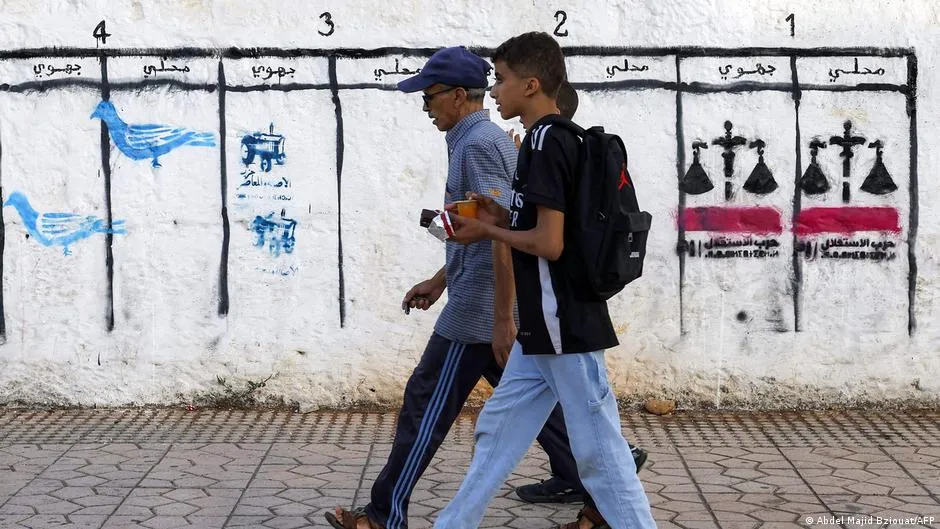
The upcoming parliamentary elections in Morocco on September 23 have brought the spotlight on the nation's youth, a demographic that is markedly divided in its outlook towards the future. Despite witnessing a period of economic growth and substantial state investments, many young Moroccans feel disenfranchised and disconnected from the progress that is purportedly being made. This sense of exclusion has fostered feelings of frustration and resignation, leading some to distance themselves from political engagement altogether. For instance, 20-year-old Youssef Arouii, who has faced numerous setbacks in his attempts to emigrate to Europe, expresses a profound disillusionment with the political system. His aspirations for a better life seem to hinge solely on the prospect of leaving Morocco.
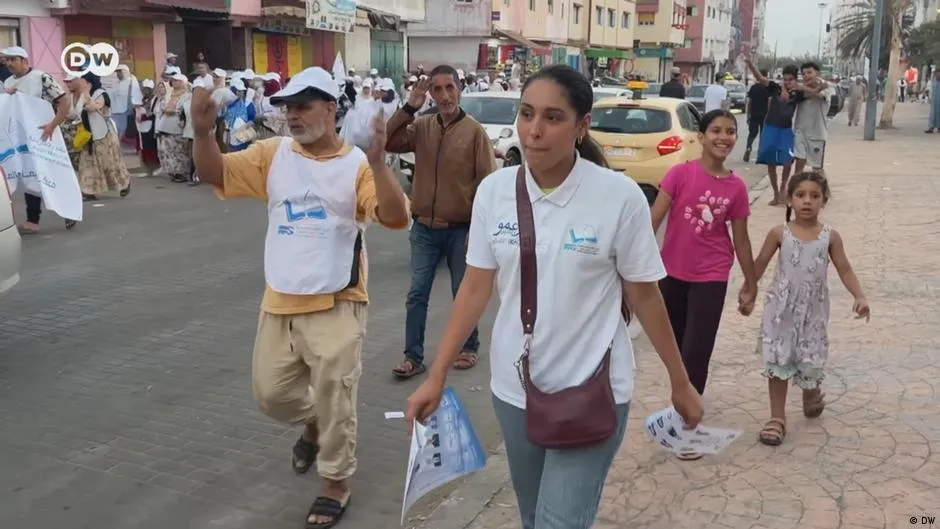
In stark contrast, another young Moroccan, Doaa Bourhaba, is breaking barriers as the youngest parliamentary candidate in the country. An economics student, she embodies a spirit of activism and determination, campaigning for change and striving to make a difference. Her commitment to participating in the political process highlights a glimmer of hope amidst the prevailing sense of despair that many youth feel. This juxtaposition of perspectives demonstrates the broader dilemma faced by young people in Morocco: how to navigate a landscape that seems to offer both opportunity and limitation.
The Struggle for Engagement and Change
The experiences of these two individuals reflect a broader trend among Moroccan youth, who are caught in a cycle of hope and resignation. While some are taking proactive steps to engage in politics and advocate for change, others are retreating into apathy or seeking opportunities abroad. This divergence can partly be attributed to the varying degrees of access and support that young people receive. The economic landscape, despite its growth, often fails to provide meaningful opportunities for all, leaving many feeling that their aspirations are unattainable.
This growing discontent has the potential to shape the political landscape in Morocco. The youth's desire for change could translate into a more active engagement in the political process, especially if they are provided with the necessary support and platforms. Alternatively, if the current trends of disillusionment continue, it may lead to a deeper sense of resignation and emigration among young Moroccans, undermining the potential for a vibrant and engaged citizenry. The upcoming elections will be a critical juncture for the youth of Morocco as they decide whether to embrace change or succumb to despair.
As reported by dw.com.