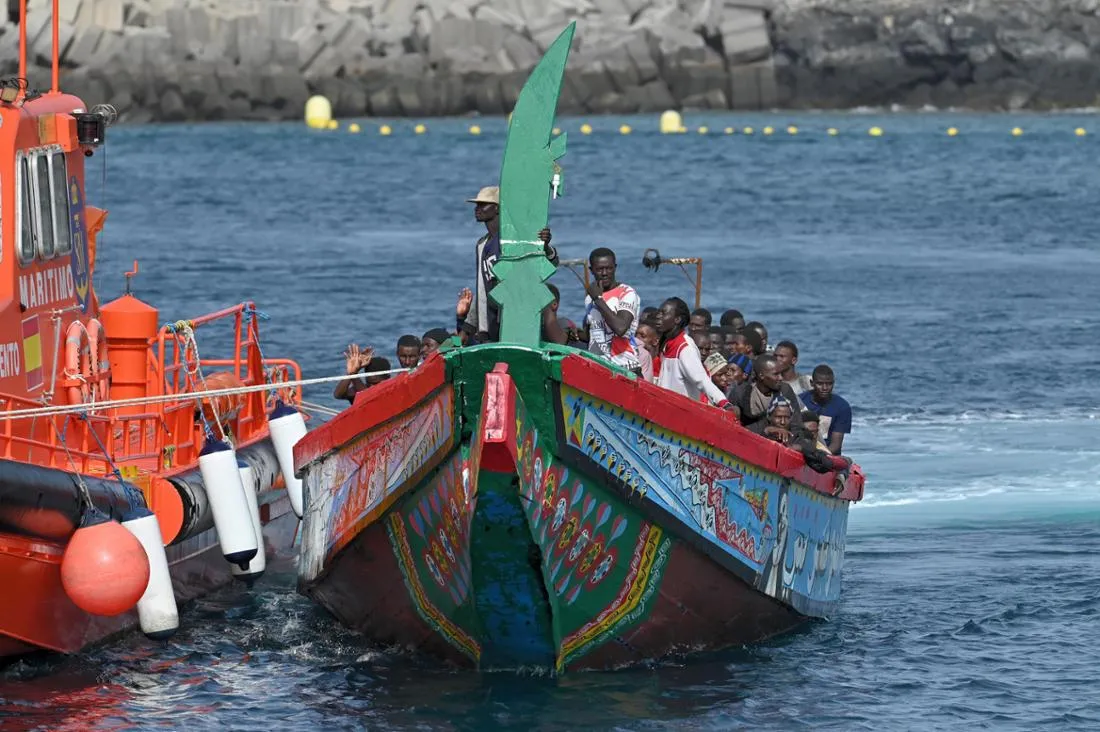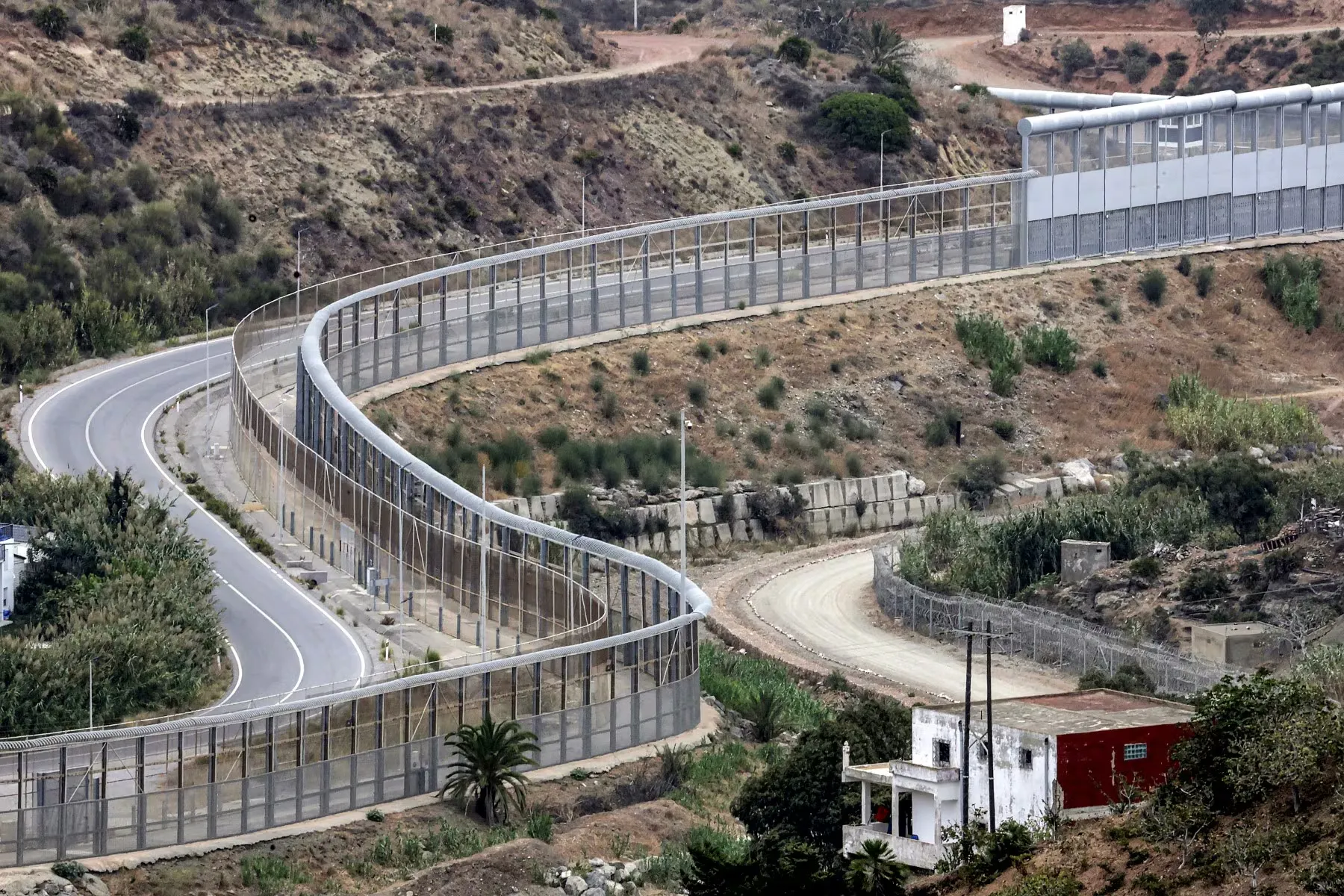

The Ongoing Debate Over Ceuta and Melilla
The recent crisis in Ceuta has reignited a long-standing debate in Morocco regarding whether to confront the issues surrounding Ceuta, Melilla, and the Spanish-held enclaves. This inclination towards a more robust stance is understandable, especially given the surge of political and media provocations emanating from Spain. Elements of the Spanish right and far-right have escalated tensions, turning the crisis into a campaign that paints Morocco and its people in a negative light. This hostility has even manifested in acts such as the tearing of the Moroccan flag during a recent protest.
In response to these provocations, many Moroccans are calling for a strong reaction. However, it is crucial to recognize that state policy cannot be dictated solely by outrage. This is precisely what makes Morocco's approach intriguing: while Rabat does not forget Ceuta and Melilla, it appears reluctant to escalate the matter at this time. This decision should not be interpreted as a weakness; rather, it reflects a calculated and rational strategic choice.
Morocco's Measured Responses
Two significant messages from Moroccan officials have been communicated recently. The first, delivered by Justice Minister Abdellatif Ouahbi, was direct and politically charged, emphasizing the contested historical status of Ceuta and Melilla in the Moroccan psyche. In contrast, the second message was more nuanced. Minister of Habous and Islamic Affairs, Ahmed Toufiq, referenced the historical ties between Morocco and Ceuta while carefully avoiding the explicit classification of Ceuta as an occupied city. This distinction is vital, as it highlights the different roles these officials play: the political minister articulates public sentiment, while the technocratic minister, in a highly symbolic setting before the King, offers a more measured perspective.
The crux of Morocco's current strategy lies in its understanding of the geopolitical landscape. Rabat recognizes that it has little to gain from reopening hostilities with Madrid or, by extension, the European Union. Economic interests are substantial, and security cooperation is paramount. The management of borders and migration requires ongoing dialogue, and Spain is acutely aware that it cannot secure its southern flank without Morocco's collaboration.
Even a right-wing Spanish government, despite its potentially hostile rhetoric, would likely confront the reality that geography and strategic interests do not change with electoral cycles. At present, Ceuta, Melilla, and the surrounding islets hold far more strategic value for Spain than they do for Morocco. For Spain, these cities provide a unique position on the southern bank of the Strait of Gibraltar, symbolizing European presence in North Africa with military, geopolitical, and national significance.
Conversely, while Morocco recognizes the historical and symbolic importance of these cities, their immediate strategic utility pales in comparison to Spain's vested interests. This asymmetry positions Morocco advantageously in this ongoing dispute. In international relations, the most powerful card is not always the one that is played immediately; it is often the one that the opposing party knows exists.
Thus, Spain has a compelling incentive to maintain a privileged relationship with Rabat, even if it means making concessions on other issues it might have otherwise resisted under different circumstances. Morocco's patience allows it to hold onto this leverage without rushing to make immediate demands. If Morocco were to reclaim Ceuta and Melilla, it would achieve its goal, but as long as the issue remains open, it retains a politically valuable asset in its dealings with Spain.
This dynamic is crucial not only for security and immigration matters but also for trade, investment, and broader diplomatic engagements with the European Union. Morocco's current restraint should not be mistaken for capitulation; rather, it reflects a strategic decision to hold back on elevating a historical claim into a geopolitical priority at this time. The geography of Ceuta and Melilla ties them closely to Morocco, and their future is intrinsically linked to the quality of relations with their immediate neighbor. Past border tensions have shown how sensitive these territories are to decisions made across the border.
In light of these provocations from Spain, Moroccans must differentiate the roles of the state and society. The state should maintain a cool-headed approach, safeguarding its interests while upholding strategic cooperation with Madrid, resisting the temptation to allow Spanish media or electoral tensions to dictate its diplomatic timetable. Conversely, Moroccan society can and should keep the memory of these territories alive through peaceful, legal, and symbolic initiatives that remind Spain of the historical ties and the enduring significance of Ceuta and Melilla in the Moroccan collective memory.
Generations may pass, governments may change, and bilateral relations may fluctuate between cooperation and tension, but the memory remains. This delineation of roles may be critical: it is the responsibility of the people to uphold the claim, while the state chooses the appropriate moment to act. Real power does not always lie in playing the cards one holds; sometimes, it resides in the ability to make the other party live with a more uncomfortable truth: the card exists, it has not been abandoned, and Rabat alone will determine when it transforms from a mere card into an active agenda.
As reported by fr.le360.ma.