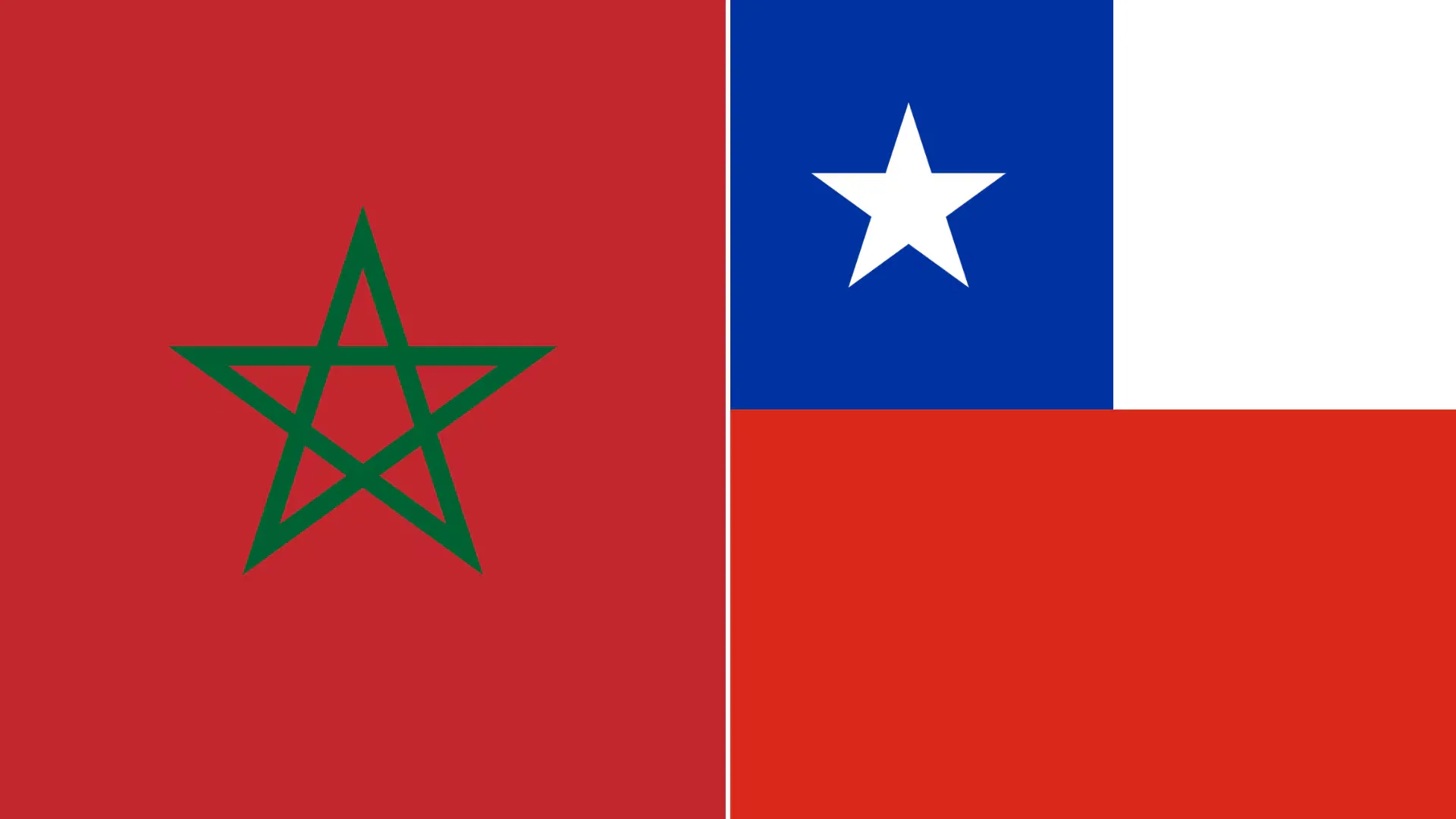

On June 22, 2026, the Arab Defense website unveiled a significant new military cooperation agreement, or roadmap, between the Kingdom of Morocco and the United States. This agreement is expected to first appear in the U.S. defense budget documents or the financial law for the year 2027, reflecting an advanced level of strategic collaboration between the two nations.
The original document, published within the U.S. Congress as item number 1268, outlines a comprehensive plan to enhance military cooperation between Rabat and Washington. The data indicates that this document will enter official discussions within the U.S. legislative institution, where amendments or additions could be proposed before the final ratification.
Key Aspects of the Military Cooperation Agreement
The roadmap encompasses several fundamental themes, the foremost of which is counter-terrorism. It stipulates the enhancement of operational cooperation between the Royal Moroccan Armed Forces and the U.S. military to confront any terrorist threats that may target either Morocco or the United States. In this context, the document emphasizes the possibility of conducting joint operations to address these threats effectively.
The second key aspect pertains to military armaments and equipment, with Morocco expected to continue acquiring American military hardware as part of known arms deals. Furthermore, the document outlines U.S. support for the development of Morocco's domestic military industry, which includes technology transfer, expertise sharing, and the enhancement of national production capabilities.
Additionally, the document hints at the establishment or enhancement of a multi-domain training field, likely tied to the expansion or rehabilitation of existing shooting ranges, such as the Tantan area, or the creation of a new site dedicated to testing various weapon systems. This training space will encompass land, maritime, and aerial exercises, as well as cyber warfare and electronic warfare, potentially extending to space-related dimensions.
The objective of this framework is to empower Morocco to test and develop modern weapon systems, including military artificial intelligence technologies, similar to those introduced during the "African Lion" maneuvers, where advanced technologies were field-tested in the context of Moroccan-American cooperation.
Moreover, the agreement discusses the development and utilization of former American bases located in Morocco, such as the Ben Guerir and Sidi Slimane bases. These bases, which date back to the post-World War II era when they were utilized by American forces, later came under Moroccan sovereignty after independence.
According to this roadmap, a partnership model will be adopted for developing these facilities, with cost-sharing between the two sides for their modernization and capability enhancement. In exchange, this infrastructure will allow the United States to use it as needed for external operations, particularly in Africa, such as the Sahel region or parts of West Africa, without establishing permanent U.S. bases on Moroccan soil, a notion that Rabat has explicitly rejected.
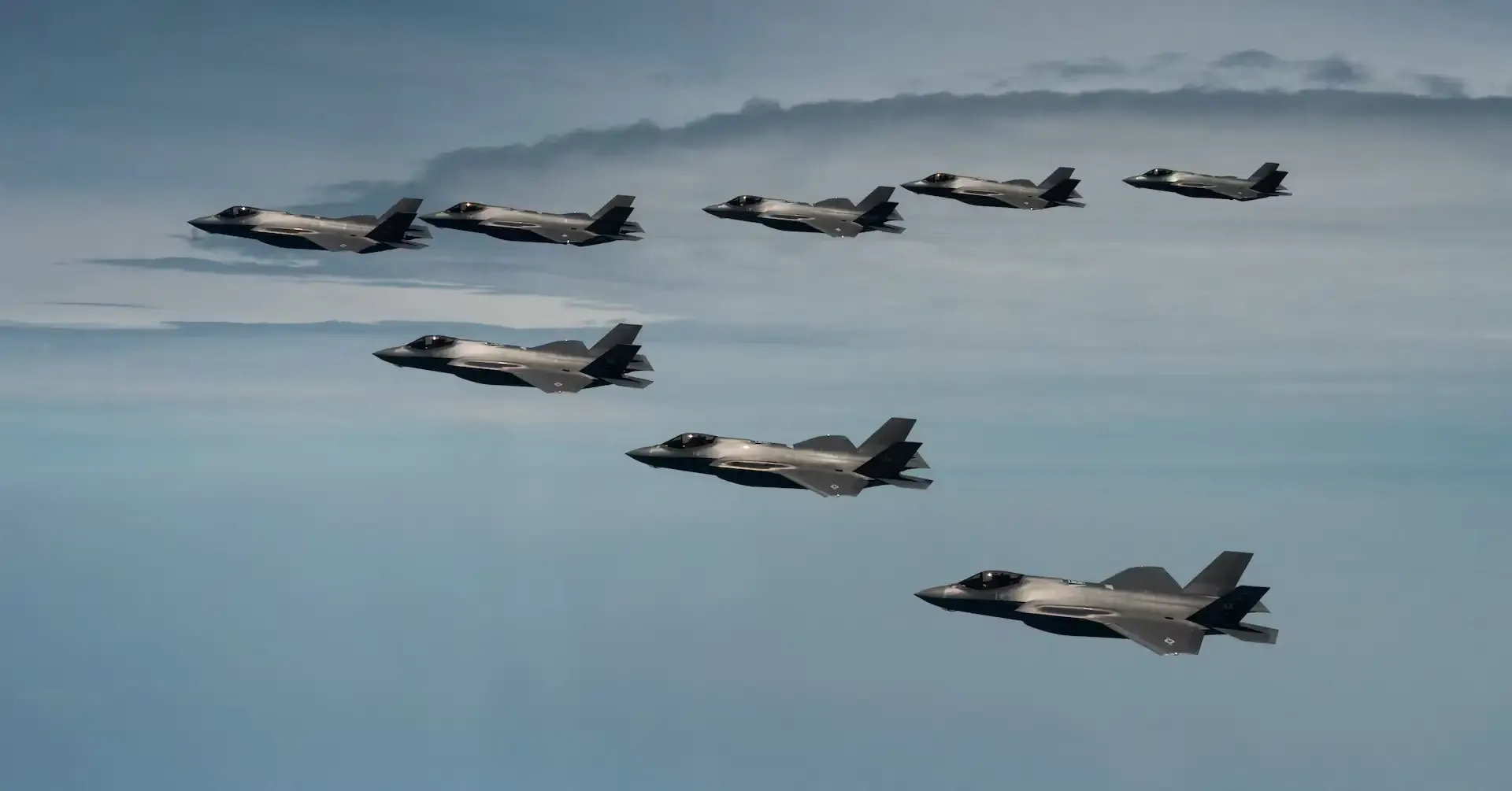
The concept relies on using these bases as temporary logistical and operational support platforms for joint operations, from which heavy American aircraft such as the B-52, B-2, and B-1 Lancer, alongside Moroccan aircraft, can launch strikes or missions in the African Sahel.
The roadmap also includes a project to establish a joint drone center in Morocco, which is pivotal to the new defense cooperation. This center will serve as a platform for developing, training, and operating military drone systems, incorporating significant portions of American technology into Moroccan operations, as well as manufacturing some components locally within the Kingdom.
Moreover, this center will also serve as a training space for crews from other African countries, such as Mali, on the use of drones to combat armed groups in the Sahel region, thereby enhancing the approach of "capacity building rather than direct intervention." The document stipulates extensive cooperation in advanced military technologies, including military artificial intelligence, underwater warfare, cyber warfare, and electronic warfare, in addition to other areas related to modernizing combat capabilities.
This roadmap envisions the development of advanced capabilities in naval warfare and submarine operations, alongside modern command and control systems based on artificial intelligence. According to the vision presented, this roadmap will extend over a decade, from 2026 to 2036, establishing a long-term framework for military partnership development between Morocco and the United States.
In conclusion, the document suggests that this agreement will significantly enhance Morocco's military and technological capabilities through improved technology transfer, the development of domestic defense industry, and the integration of artificial intelligence technologies in the military domain, in addition to broadening operational and intelligence cooperation between the two parties. These aspects represent the key components of the roadmap, with several details still under discussion within U.S. institutions, awaiting the completion of official negotiations that will clarify the final picture in the upcoming phase.
As reported by defense-arabic.com.