
Nizar Baraka's Commitment to Rural Development
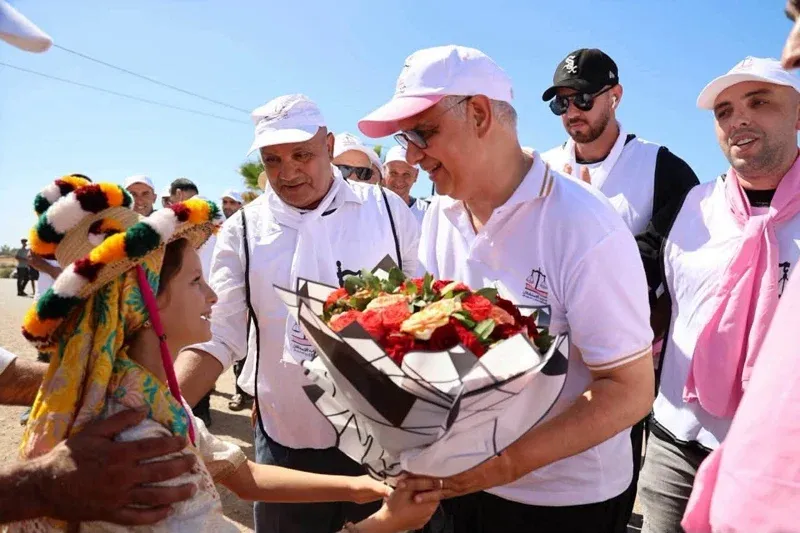
Nizar Baraka, the Secretary General of the Istiqlal Party, has firmly asserted that alleviating the isolation of rural areas remains a fundamental priority for the party. In a recent election campaign event held in the Zaâroura community within the Larache province, Baraka emphasized the significant efforts made during the previous government term aimed at enhancing road infrastructure and strengthening connectivity between communities. This initiative is designed to facilitate the movement of residents and bring them closer to essential services and vital facilities.
Strategic Projects for Economic Growth
During his engagement with local residents, Baraka elaborated on the critical role his party played in advocating for the construction of the Kharoufa Dam. He highlighted that the water from this dam will be exclusively allocated for the benefit of nearby regions and communities, while desalinated seawater will be used to meet the needs of Tangier's population. Moreover, he pointed out the strategic importance of linking the Oued El-Makhazen Dam with the Kharoufa Dam, noting that this project could potentially create around 12,000 hectares of irrigated land, divided into two phases of 6,000 hectares each. Baraka described this initiative as a promising venture that would significantly boost agriculture, generate wealth, and open new avenues for economic development and job creation in the region.
Addressing the ongoing challenges related to water supply disruptions, particularly in light of drought conditions and deteriorating infrastructure, Baraka assured residents that his party is fully aware of these issues. He committed to addressing these challenges and outlined a clear plan, in coordination with the Ministry of Interior, aimed at resolving water supply issues over the next five years.
Furthermore, Baraka pledged to revise urban planning laws to better align with the evolving dynamics of rural areas, providing residents with improved conditions for construction, stability, and development. In terms of education, he recognized the establishment of a secondary school in the area as a vital step towards bringing education closer to local children, ensuring they can pursue their studies under better conditions. He announced that Zaâroura will see enhancement works next year, which will bolster its activities and services, including the establishment of a market and the provision of sewage facilities.
When discussing the party's vision for health sector reform, Baraka noted a national shortage of approximately 30,000 doctors, which necessitates continued efforts to establish territorial health groups and implement regional hiring practices. This approach aims to ensure the presence of healthcare professionals across all regions of the kingdom, especially in rural areas that deserve equitable and decent health services.
In relation to direct social support, Baraka revealed that the Istiqlal Party intends to revise the social indicator to ensure ongoing support for families. He emphasized that the employment of one of the children in a family will not immediately terminate their eligibility for support. Instead, this assistance will continue for up to one year, aiding families in their transition towards economic independence while providing them with the necessary security and confidence.
Baraka further emphasized that the party's ambition for Moroccan youth extends beyond merely securing employment; it encompasses training, support, and creating genuine opportunities in digital commerce, rural tourism, and investment. He expressed a commitment to enhancing the natural resources of the region and transforming the area surrounding the Kharoufa Dam into an attractive tourist destination, thereby generating new opportunities for employment and investment.
Finally, Baraka reaffirmed that the relationship between the Istiqlal Party and this region is not merely situational or electoral but is rooted in a historical contract established during the struggle for national independence. He addressed the local populace, reiterating this commitment to comprehensive development, breaking isolation, improving services, and addressing the aspirations of the Zaâroura community and the Larache province.
As reported by hespress.com.