
Morocco's Commitment to Sustainable Hunting Practices
On Friday, the National Agency for Water and Forests, in partnership with the Royal Moroccan Hunting Federation, officially inaugurated the 2026-2027 hunting season in Marrakech. This significant event took place during an informative and educational day held at the Conference Palace, themed "Tourist Hunting in Morocco: A Natural Wealth and Sustainable Development." The initiative aims to promote sustainable management of wildlife resources while preserving biodiversity, alongside the ongoing development of the tourism hunting sector within the kingdom. This effort is crucial for enhancing the resources and potentials of hunting, contributing to sustainable development in the region.
Positive Trends in the Hunting Sector
The event was presided over by Abd al-Rahim Houmi, the Director General of the National Agency for Water and Forests, and Ahmed Moussaoui, the President of the Royal Moroccan Hunting Federation. Their presence, along with officials, industry professionals, and representatives from associations and companies specializing in tourism hunting, underscored the importance of this sector. Houmi noted that the previous hunting season saw a positive development in various sector indicators, attracting over 65,000 Moroccan hunters and approximately 5,000 tourist hunters. He mentioned a significant increase in leased hunting lands, which rose from 1,278 plots during the 2020-2021 season to 1,737 plots in the 2025-2026 season, with the leased area expanding from 3.35 million hectares to nearly 4.39 million hectares since the launch of the national strategy "Forests of Morocco 2020-2030." These indicators highlight the growing significance of leasing as a mechanism for sustainably managing hunting resources while ensuring the conservation of wildlife.
Furthermore, the event emphasized the continued strengthening of partnerships in areas such as hunter training, combating illegal hunting, preserving natural habitats, and safeguarding biodiversity. The tourism hunting sector is witnessing a dynamic growth, with contributions from 146 specialized companies, alongside efforts to diversify hunting products and services, including the development of bow hunting practices. A portion of the event was dedicated to showcasing the potentials of tourism hunting in the Marrakech-Safi region, examining its role in enhancing natural and rural areas, invigorating the local economy, and diversifying the national tourism offering.
The gathering also featured the presentation of the book "Gibiers emblématiques du Maroc," produced by the National Agency for Water and Forests, which highlights various game species found in the kingdom and their significance within the national natural and hunting heritage. Additionally, the program included testimonials and experiences from seasoned hunters in the region, recognizing their contributions to shaping hunting practices and preserving the hunting heritage across generations.
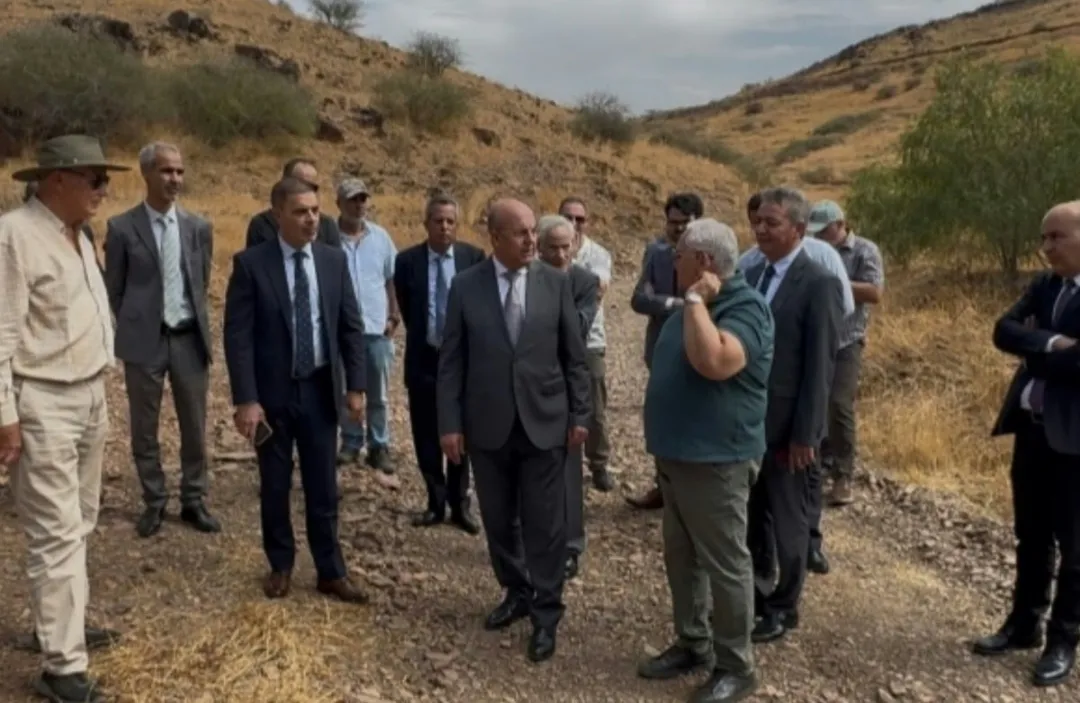
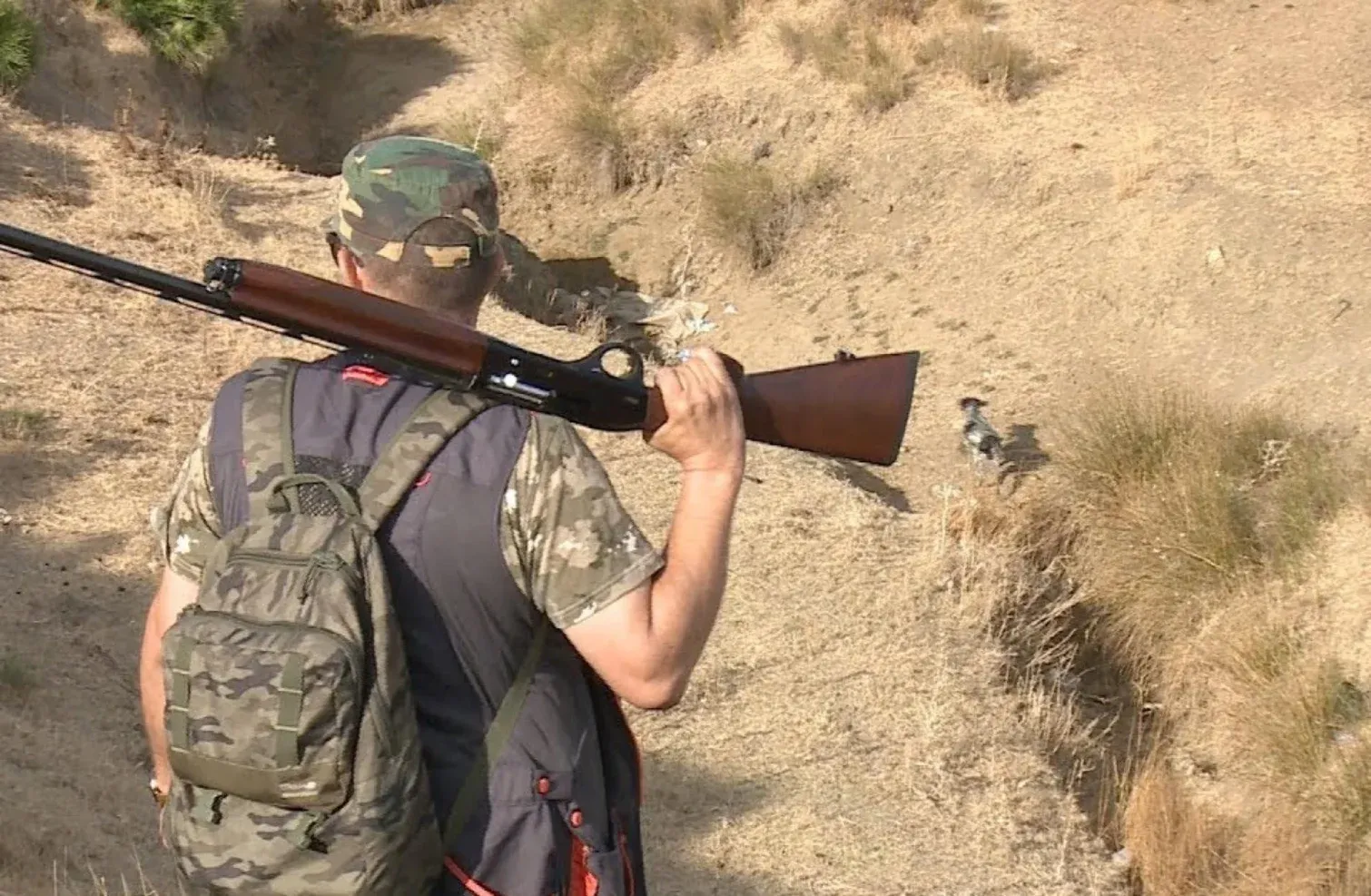
As part of the initiative, practical workshops on tourism hunting and bow hunting were organized, focusing on new products within Morocco's tourism hunting sector. Participants also took part in field visits to a leased hunting plot managed by a specialized tourism hunting company, allowing them to learn about the facilities, equipment, and services offered to clients. A practical simulation of a collective hunting scenario, conducted without the use of weapons, was also held to demonstrate the release of partridges designated for collective hunting.
In conclusion, the National Agency for Water and Forests and the Royal Moroccan Hunting Federation reaffirmed their commitment to fostering responsible, ethical, and safe hunting practices, aligning with the objectives of the national strategy "Forests of Morocco 2020-2030." Both parties emphasized the importance of enhancing sector governance and mobilizing various stakeholders to ensure a balance between biodiversity conservation, sustainable management of hunting resources, and the promotion of natural and rural areas, ultimately supporting local economic and social development.
As reported by journal24.ma.