
Pedro Sánchez's Policies on Migration and European Reactions
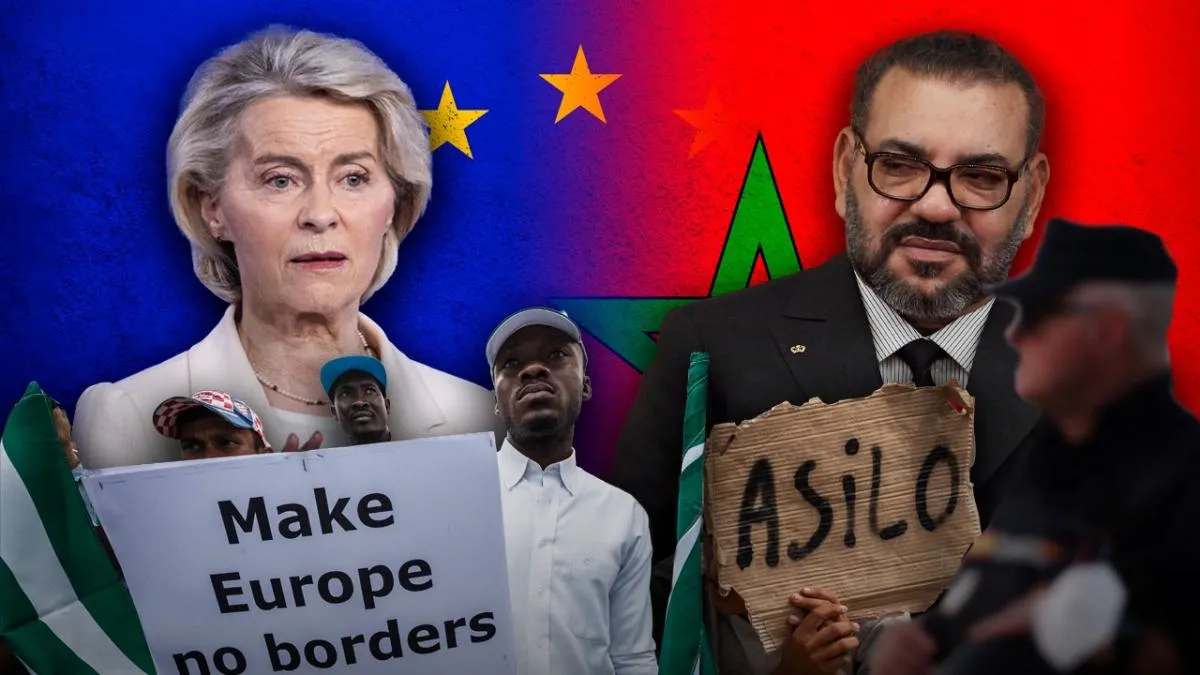
Pedro Sánchez has extended his controversial migration policies, often likened to a "wall," to the European Union, only to find himself outnumbered by a right-wing majority. Recently, the European Parliament passed a resolution that condemns the massive illegal crossings into Ceuta from Morocco in the strongest possible terms. Furthermore, the resolution criticizes the use of irregular migration as a hybrid warfare tool against the territorial integrity of a member state, reflecting a firm stance that the Spanish government has often failed to assert. This resolution serves as a clear reminder that any statement questioning Spanish sovereignty over Ceuta is deemed unacceptable and incompatible with the obligations of a partner country.
In stark contrast to the decisive language of the European Parliament, the Spanish Socialist Workers' Party (PSOE) has once again been portrayed in an unflattering light. Even members of the Green and radical left parties, who voted against the motion, have unambiguously pointed to Rabat's responsibility in the recent migration surge. Meanwhile, the socialist MEPs attempted unsuccessfully to push for a resolution praising the existing cooperation mechanisms between Spain and Morocco, illustrating their struggle to align with the dominant sentiment in the European Parliament.
Consequences of the European Parliament's Resolution
The resolution not only serves as a rebuke to Rabat but also undermines Sánchez's government and its migration policy. The European Parliament has explicitly held the Spanish Executive accountable for the recent migrant influx that overwhelmed Ceuta on July 30 and 31, attributing the crisis to the government's negligence in heeding repeated warnings from local authorities and intelligence services. Additionally, the text condemns the so-called "pull effect" associated with the mass regularization of immigrants, which jeopardizes the Schengen Area and the security of other member states.
One cannot help but wonder how many more pronouncements from European partners will it take for Sánchez to address the lax border control measures that starkly contradict the established European consensus on migration. The PSOE has attempted to mitigate the blow from the Strasbourg decision by arguing that the condemnation was primarily backed by right-wing factions. While it is true that the resolution was initiated by the European People's Party and gained traction through support from other conservative groups in the Europarliament, this does not diminish the legitimacy of the vote.
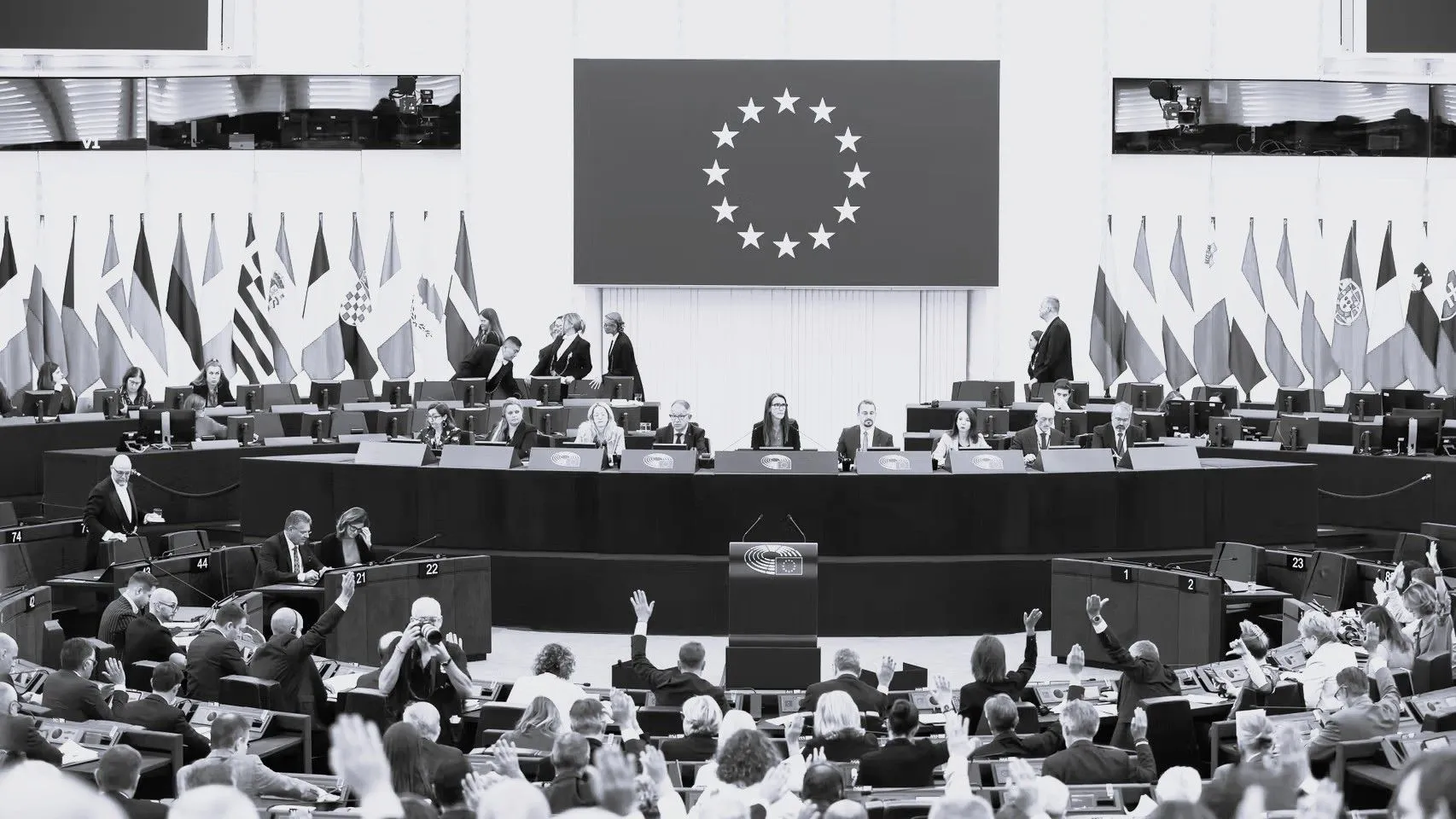
With the resolution passing with 339 votes in favor, 225 against, and 16 abstentions, it effectively indicates that a majority of Europeans represented by these parties reject Sánchez's position on Morocco. Once a majority of elected members of the European Parliament votes and approves a text, it transitions from a mere proposal to the official stance of the institution, carrying legal and political weight. Democratic institutions operate on the principle of majority will; thus, dismissing a sovereign decision based on the ideological leanings of its supporters undermines the legitimacy of the parliamentary system itself.
Ironically, the political group whose leader boldly claimed victory after the last electoral night, proclaiming that "we are more," seems reluctant to acknowledge the weight of numerical majority when it works against them, both in the Congress and the Europarliament. If the reproach was facilitated only by a segment of the political spectrum, from liberals to the radical right, it is due to the PSOE's failure to uphold its alliance with its Grand Coalition partners, which has been essential for EU governance.
Factually, the PSOE's position on Morocco has shifted dramatically. Why, after the previous surge of around 10,000 people into Ceuta in 2021, did the PSOE align with the PP to condemn Morocco for using migration as a means of political pressure against Spain, only to favor cordial relations in 2026 amid more than 80,000 migrants? It is evident that the PSOE, acting de facto as a Moroccan lobby in Spain and Europe, continues its misguided and fruitless appeasement strategy that began after the 2021 crisis with Morocco. Since then, the Spanish government has relentlessly pursued reconciliation with Rabat through successive gestures, offering a series of favors without receiving anything in return, only to witness a rise in hostile actions and a failure to meet nearly all commitments made during the High-Level Meeting with King Mohammed VI.
As reported by elespanol.com.